

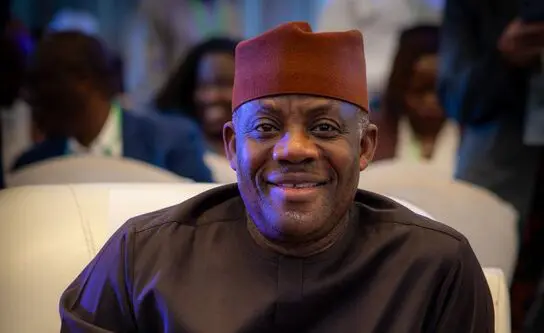
Nigeria’s Minister of Education, Maruf Tunji Alausa, has unveiled new measures by the Federal Government to tackle the country’s out-of-school crisis, disclosing that over 90,000 children have recently been returned to classrooms.
The update followed a Basic Education Bootcamp held in Jos on April 29, 2026, where stakeholders reviewed strategies to expand access to basic education and address persistent barriers keeping millions of children out of school.
According to the minister, the ongoing reforms focus on improving teacher quality, promoting girl-child education, strengthening science and technology learning, and expanding technical and vocational training.
The initiative, driven through the National Education Sector Reform Initiative, also leverages data and digital tools to enhance planning, monitoring, and delivery across the education system.
READ ALSO:
- FG’s ₦1bn MSME Scheme Misses the Mark, Group Warns
- FG Moves to Set up National Cybersecurity Council amid Rising Cyber Threats
- FG Arraigns 6 over Alleged Coup Plot, Terrorism Charges
- FG Slams 13-Count Treason Charges on Alleged Coup Plotters
Alausa said alternative learning models, including digital and open schooling systems, are being scaled up to reach children unable to access conventional classrooms, while partnerships with key stakeholders have supported recent gains in reintegrating out-of-school children.
He further revealed plans to relaunch the National School Feeding Programme in six pilot states, noting that it will play a crucial role in boosting enrolment and retention.
While acknowledging support from the Plateau State Government, the minister reaffirmed the administration’s commitment to improving both access and quality in basic education.
“We are building a system that works for every child,” he said.

Esther Ososanya is an investigative journalist with Pinnacle Daily, reporting across health, business, environment, metro, Fct and crime. Known for her bold, empathetic storytelling, she uncovers hidden truths, challenges broken systems, and gives voice to overlooked Nigerians. Her work drives national conversations and demands accountability one powerful story at a time.