

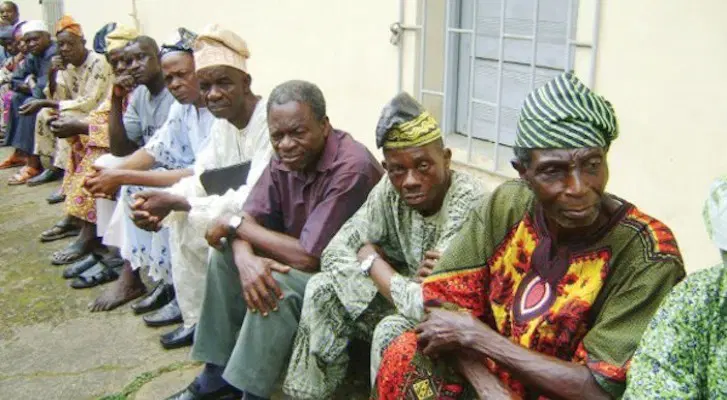
The Federal Government has introduced a free healthcare initiative for retirees under the Contributory Pension Scheme, targeting pensioners with monthly earnings below ₦70,000 in a new welfare intervention aimed at easing medical burdens among elderly Nigerians.
The initiative, called PenCare, was unveiled by the National Pension Commission to improve healthcare access and support low-income retirees struggling with rising medical costs.
According to the Commission, the programme is open to pensioners aged 60 and above who receive not more than ₦70,000 monthly from their Pension Fund Administrators.
It explained that the pilot phase will accommodate 30,000 beneficiaries on a first-come, first-served basis.
PenCom said registration has already commenced, with eligible retirees able to sign up by scanning a barcode published in national newspapers or by visiting the Commission’s official website and participating Pension Fund Administrators’ portals.
READ ALSO:
- FG to Sell ₦600bn Bonds in May Auction
- FG Resolves Two-Decade Dispute over Lagos Airport Terminal Concession
- FG Inaugurates Planning Committee for 32nd Nigerian Economic Summit to Drive National Reforms
- FG Slams 13-Count Treason Charges on Alleged Coup Plotters
The Commission described PenCare as part of its Corporate Social Responsibility efforts designed to protect the dignity, health, and well-being of retirees across the country.
It added that the programme is intended to reduce the financial strain of healthcare on elderly citizens, particularly those with limited income.
PenCom said the initiative reflects its commitment to improving post-retirement welfare through better healthcare access and financial protection, while also addressing the growing health challenges faced by pensioners nationwide.

Esther Ososanya is an investigative journalist with Pinnacle Daily, reporting across health, business, environment, metro, Fct and crime. Known for her bold, empathetic storytelling, she uncovers hidden truths, challenges broken systems, and gives voice to overlooked Nigerians. Her work drives national conversations and demands accountability one powerful story at a time.