

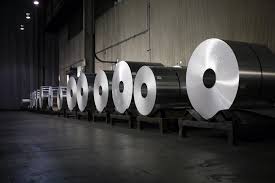
Aluminium prices in the United States have surged to record levels, far exceeding what import levies and transport costs alone would justify. Tight global supplies, combined with tariffs and low domestic inventories, are driving the spike.
Used extensively in automotive, aerospace, packaging, and construction industries, aluminium’s rising costs are pushing up manufacturing expenses, squeezing margins, and contributing to inflation.
Since President Donald Trump doubled tariffs on U.S. aluminium imports to 50% in June, prices for consumers have jumped 40% to over $5,200 per metric ton.
READ ALSO: Nigeria Unveils Fibre Optic Plant to Strengthen AfCFTA Competitiveness
Global supply concerns have compounded the problem, with London Metal Exchange (LME) aluminium prices climbing more than 20% over the past year, reaching highs not seen since April 2022 following Russia’s invasion of Ukraine.
Physical aluminium buyers in the U.S. pay the LME price plus a premium covering freight, handling, insurance, and tariffs. As LME prices rise, so does the tariff component, driving the premium higher.
- The Midwest aluminium premium recently hit a record 96 cents per lb ($2,116 per ton)—up 65% since June.
- Analysts say this is higher than market fundamentals justify, largely due to expectations of further price increases.
Exporters diverted shipments to Europe last year because the U.S. premium did not fully offset tariffs, shrinking domestic stockpiles. Estimates show U.S. aluminium inventories dropped below 300,000 tons, down from 750,000 tons at the start of 2025.
“Canadian suppliers stopped discretionary shipments to the U.S. because they were losing money, which led to a drop in U.S. inventories,” said Gregory Wittbecker, president of Wittsend Commodity Advisors.
Canada remains the largest aluminium supplier to the U.S., accounting for 70% of nearly four million tons imported in 2024, according to Trade Data Monitor.
The shortage and tariff-driven premiums have wide-reaching implications:
- Manufacturers face higher production costs.
- Consumers could see price increases in everyday products.
- Inflationary pressures may intensify, affecting the broader economy.
READ ALSO: U.S. Attempts to Seize Russian-flagged, Venezuela-Linked Tanker Amid Geopolitical Tensions
Analysts warn that while premiums may continue to rise, there is uncertainty about how sustainable these levels are, with the market closely watching future supply flows and tariff policies.

Esther Ososanya is an investigative journalist with Pinnacle Daily, reporting across health, business, environment, metro, Fct and crime. Known for her bold, empathetic storytelling, she uncovers hidden truths, challenges broken systems, and gives voice to overlooked Nigerians. Her work drives national conversations and demands accountability one powerful story at a time.