

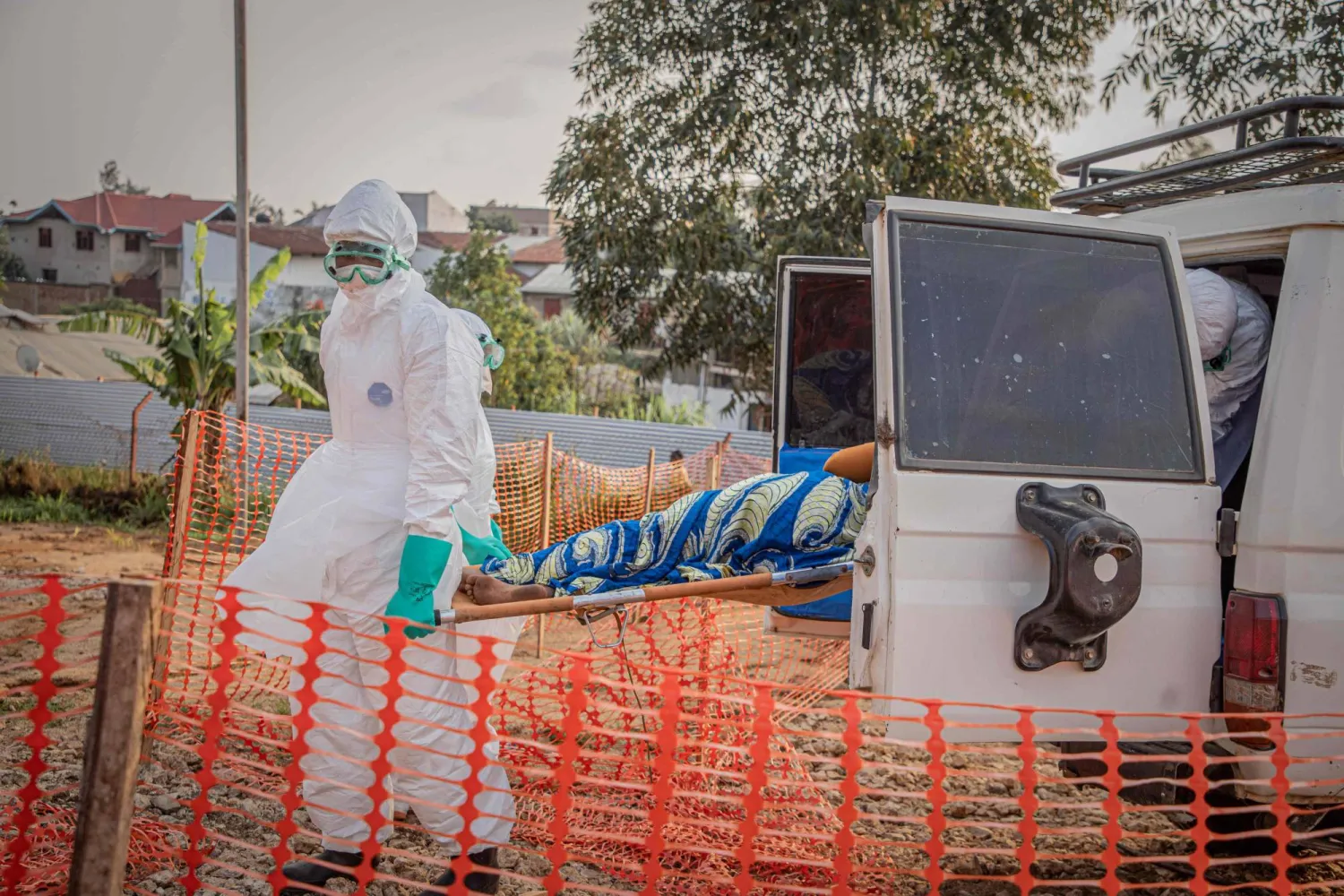
France has confirmed its first case of Ebola Virus Disease (EVD), raising concerns as the Democratic Republic of Congo continues to battle a deadly outbreak that has already claimed hundreds of lives.
The French Ministry of Health announced on Wednesday that a doctor who recently returned from a humanitarian mission in the Democratic Republic of Congo tested positive for the virus.
According to the ministry, the patient was immediately transferred to a specialised medical facility for treatment and isolation and is currently in a stable condition.
Link to Congo Outbreak
The confirmed case comes amid an ongoing Ebola outbreak in the Democratic Republic of Congo, which was officially declared last month.
However, health experts believe the virus had been circulating in affected communities for several weeks before authorities announced the outbreak.
The outbreak has continued to spread across parts of the central African nation, placing significant pressure on the country’s healthcare system and prompting heightened surveillance by international health authorities.
READ ALSO:
- Nigeria Intensifies Ebola Surveillance as Congo Outbreak Raises Regional Concerns
- Cross River Steps Up Ebola Surveillance, Pushes Mandatory Health Insurance Agenda
- Congolese Forces Retake Uvira as M23 Rebels Withdraw
- DRC-US Mineral Pact Sparks Hope, Challenges in Africa’s Critical Minerals Race
Available figures indicate that more than 260 people have died from the disease in the Democratic Republic of Congo, while over 1,000 infections have been confirmed.
Public health officials remain concerned about the possibility of cross-border transmission as humanitarian workers, medical personnel, and travellers move between affected regions and other countries.
Understanding Ebola Virus Disease
Ebola Virus Disease is a rare but severe and often fatal illness in humans caused by a group of viruses known as orthoebolaviruses.
The disease spreads primarily through direct contact with the bodily fluids of infected individuals or contaminated materials and surfaces.
Common symptoms include sudden fever, weakness, muscle pain, vomiting, diarrhoea, severe bleeding, and, in advanced cases, organ failure.
Health authorities continue to emphasise the importance of early detection, isolation of infected patients, and strict infection prevention measures to contain the spread of the virus and prevent further loss of life.

Esther Ososanya is an investigative journalist with Pinnacle Daily, reporting across health, business, environment, metro, Fct and crime. Known for her bold, empathetic storytelling, she uncovers hidden truths, challenges broken systems, and gives voice to overlooked Nigerians. Her work drives national conversations and demands accountability one powerful story at a time.