

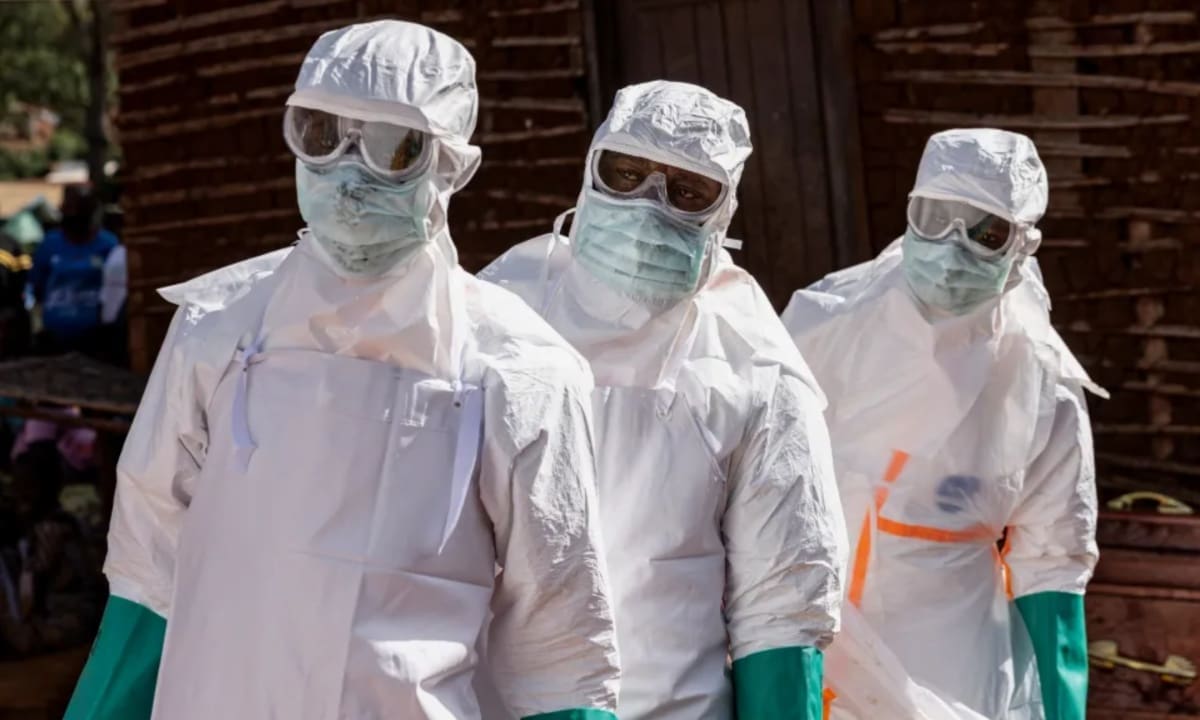
Cross River State has strengthened disease surveillance and emergency response systems to prevent any possible outbreak of Ebola Virus Disease (EVD), while also aligning with renewed calls for mandatory health insurance coverage across Nigeria.
The state Commissioner for Health, Dr Henry Egbe Ayuk, said the government had activated preventive mechanisms following alerts from the Federal Ministry of Health over reported Ebola cases in Uganda and the Democratic Republic of Congo.
He explained that the Public Health Emergency Operations Centre (PHEOC) had been placed on alert mode, with intensified surveillance and active case searches across all 18 local government areas, especially border communities.
Health authorities are reportedly tracking travellers arriving from affected countries and screening for symptoms consistent with Ebola, including unexplained bleeding and severe illness.
Ayuk noted that surveillance officers, clinicians, port health officials and other frontline workers had been sensitised on case definitions, referral systems, isolation protocols and reporting procedures.
He added that collaboration had also been strengthened with neighbouring Cameroon and relevant interstate border agencies to improve early detection and containment capacity.
Infection Control Measures Reinforced
According to the commissioner, screening continues at airports, seaports and land borders, while infection prevention and control measures—such as hand hygiene, use of personal protective equipment and strict isolation protocols—have been reinforced in health facilities across the state.
He said the government has adopted a multi-sectoral “One Health” approach, bringing together health, environmental, animal health, port health and security agencies to coordinate preparedness efforts.
Ayuk reassured residents that no Ebola case had been recorded in Cross River State but urged continued vigilance and prompt reporting of suspected symptoms.
Meanwhile, health insurance stakeholders across Nigeria have called for compulsory health insurance coverage as part of broader efforts to achieve Universal Health Coverage (UHC) and reduce out-of-pocket medical spending.
The recommendation was contained in a communiqué issued at the maiden National Summit of State Social Health Insurance Agencies (SSHIAs) held in Akure, Ondo State.
Participants at the summit highlighted major challenges hindering UHC, including high cost of healthcare, poverty, weak financing systems, low insurance penetration in the informal sector, and uneven implementation across states.
They also stressed the need for stronger political will and better regulatory coordination between federal and state health systems.
READ ALSO:
- Nigeria Intensifies Ebola Surveillance as Congo Outbreak Raises Regional Concerns
- DR Congo Confirms 11 New Ebola Cases as Outbreak Deepens
- FG Launches Free Healthcare Scheme for Pensioners Earning Below ₦70,000
- FCT Begins Health Insurance for Inmates
The summit recommended mandatory health insurance backed by clear legal frameworks, improved financing models, harmonisation of health schemes, and stronger regulatory oversight.
It also called for increased investment in primary healthcare, workforce development, essential medicines and digital health systems, with emphasis on vulnerable groups such as women, children, rural dwellers and persons with disabilities.
Speaking after the summit, Director-General of the Cross River State Health Insurance Agency, Dr Godwin Iyala, described the meeting as an opportunity to explore new strategies for expanding coverage and improving service delivery.
He said the state delegation engaged with stakeholders nationwide and reaffirmed commitment to strengthening health insurance systems to advance universal coverage for all residents.

Esther Ososanya is an investigative journalist with Pinnacle Daily, reporting across health, business, environment, metro, Fct and crime. Known for her bold, empathetic storytelling, she uncovers hidden truths, challenges broken systems, and gives voice to overlooked Nigerians. Her work drives national conversations and demands accountability one powerful story at a time.