

A First-of-Its-Kind Healthcare Intervention Inside Nigeria’s Correctional System
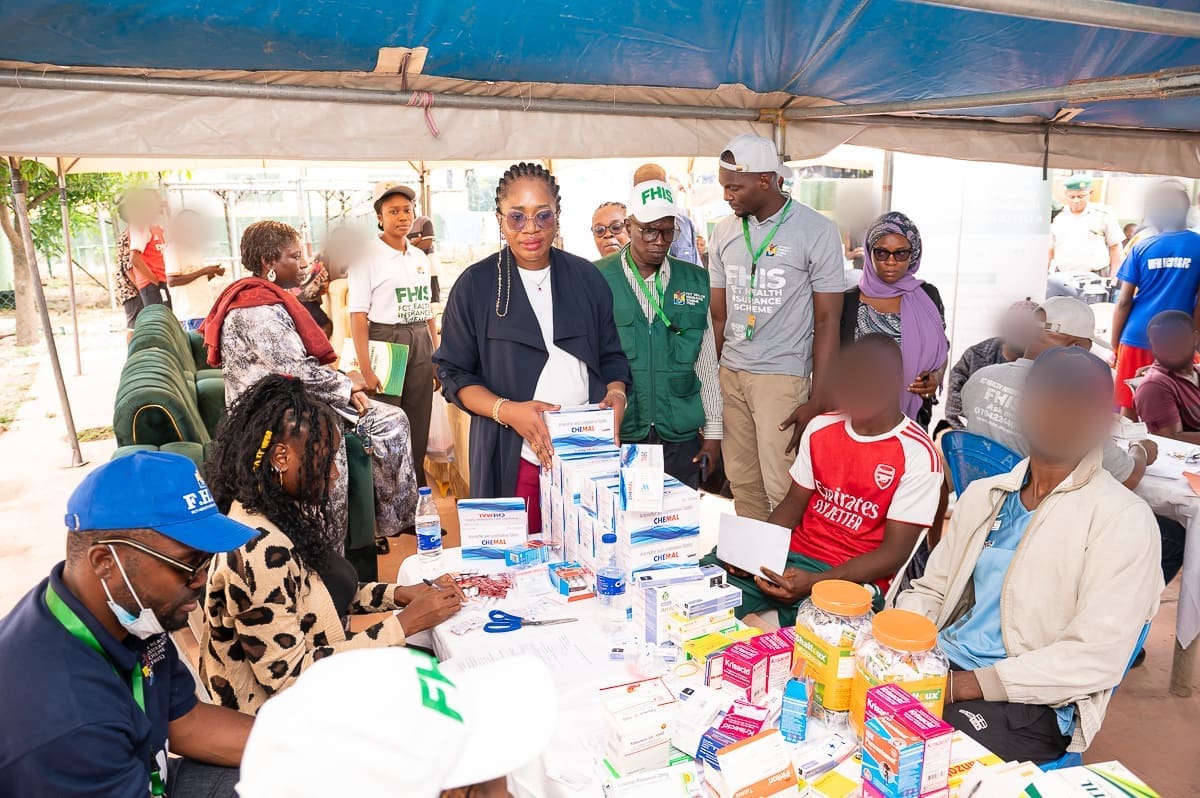
The Federal Capital Territory (FCT) Minister, Nyesom Wike, has flagged off the first-ever formal health insurance and comprehensive medical outreach programme for inmates across correctional centres in the FCT, bringing over 1,500 incarcerated persons into the Federal Capital Territory Health Insurance Scheme.
The initiative, launched at the Kuje Medium Security Custodial Centre, marks a major shift in government policy towards prison healthcare and inmate welfare, targeting one of Nigeria’s most neglected and invisible populations.
For decades, access to quality healthcare inside correctional centres has remained poor, with inmates often depending on overcrowded clinics, limited medications, and delayed referrals. But the new intervention by the Federal Capital Territory Administration (FCTA) seeks to reverse that through structured healthcare coverage under the Basic Healthcare Provision Fund.
Universal Health Coverage Extends Beyond Prison Walls
The programme, which will also extend to correctional facilities in Gwagwalada and Suleja, is designed to ensure that inmates receive access to consultations, laboratory tests, surgeries, radiology services, emergency care, and essential drugs free of charge.
Officials described the move as a practical implementation of universal health coverage and an attempt to ensure that incarceration does not translate into exclusion from basic human rights.
Leading the rollout was the Mandate Secretary of the Health Services and Environment Secretariat, Dr. Adedolapo Fasawe, who stated that the intervention reflects the principle that healthcare must remain accessible to every citizen, regardless of legal or social status.
According to her, the enrolment exercise was not limited to health insurance registration alone. It also involved National Identification Number capture, health education campaigns, medical screening, drug distribution, and psychosocial engagement aimed at restoring dignity and hope among inmates.
“Inmates remain members of society and deserve care, dignity, and opportunities for reintegration,” she said during interactions with inmates and correctional officers.
The outreach recorded significant numbers within the first phase of implementation. More than 550 inmates underwent screening for hypertension, diabetes, and malaria, while over 380 medical prescriptions were dispensed. Eye examinations were conducted for more than 230 inmates, with over 130 receiving corrective eyeglasses.
Officials also confirmed that more than 250 inmates completed NIN capture and health insurance registration processes across participating facilities.
Beyond Healthcare: A Push for Rehabilitation and Reintegration
Beyond healthcare delivery, the intervention carried a strong rehabilitation and reintegration message.
During the visit, Dr. Fasawe interacted directly with inmates participating in vocational and skills acquisition programmes. She purchased inmate-produced items, including sandals, books, liquid soap, and bags, while also making donations to support fashion and vocational training activities within the facility.
The gesture underscored concerns raised by criminal justice reform advocates that rehabilitation efforts within Nigerian correctional facilities often suffer from weak funding and poor public support.
She encouraged inmates not to define their future by their incarceration, describing their current situation as a temporary phase capable of producing transformation and renewal.
READ ALSO:
- FCT Police Commission Two Outposts in Abuja, Begin Construction of Another in Lugbe
- FCT Election: Does Wike’s Triumph Over Atiku, Obi Change Power Dynamics?
- FCT Strike Ends as Wike, Labour Reach Agreement
- FCTA Shuts Orphanage Over Alleged Child Trafficking, Welfare Violations
The FCTA also pledged sustained support for healthcare delivery inside the custodial centre, promising uninterrupted drug supply, medical consumables, and improvements in clinic accreditation and service standards.
Dr. Fasawe commended the Minister of Interior, Olubunmi Tunji-Ojo, for prioritising reforms within correctional institutions, particularly in healthcare delivery.
She further praised the management of the custodial facility led by Comptroller Peter Jen and Deputy Comptroller Rasheed Ogundare, alongside the FHIS team headed by Dr. Salamatu Belgore, for facilitating the successful implementation of the programme.
“Unprecedented” Intervention, Says Correctional Officials
Deputy Comptroller Rasheed Ogundare described the intervention as unprecedented, noting that it was the first large-scale government-led healthcare support initiative directly targeting inmates within the facility.
He expressed hope that similar interventions would be replicated across correctional institutions nationwide.
The emotional atmosphere during the outreach reflected the significance of the intervention for many inmates, some of whom responded with songs, dancing, and visible appreciation after receiving medical attention, medications, refreshments, and words of encouragement.
A New Direction for Correctional Healthcare in Nigeria
The development comes amid increasing national conversations around prison congestion, inmate welfare, mental health, and access to healthcare within Nigeria’s correctional system.
Analysts say the FCTA’s intervention could become a model for other states if sustained, particularly as public health experts continue to warn that neglecting inmate healthcare poses broader public health risks beyond prison walls.
By formally integrating inmates into a government-backed health insurance structure, the FCTA has introduced a rare policy direction that places rehabilitation, public health, and human dignity at the centre of correctional reform.

Esther Ososanya is an investigative journalist with Pinnacle Daily, reporting across health, business, environment, metro, Fct and crime. Known for her bold, empathetic storytelling, she uncovers hidden truths, challenges broken systems, and gives voice to overlooked Nigerians. Her work drives national conversations and demands accountability one powerful story at a time.