

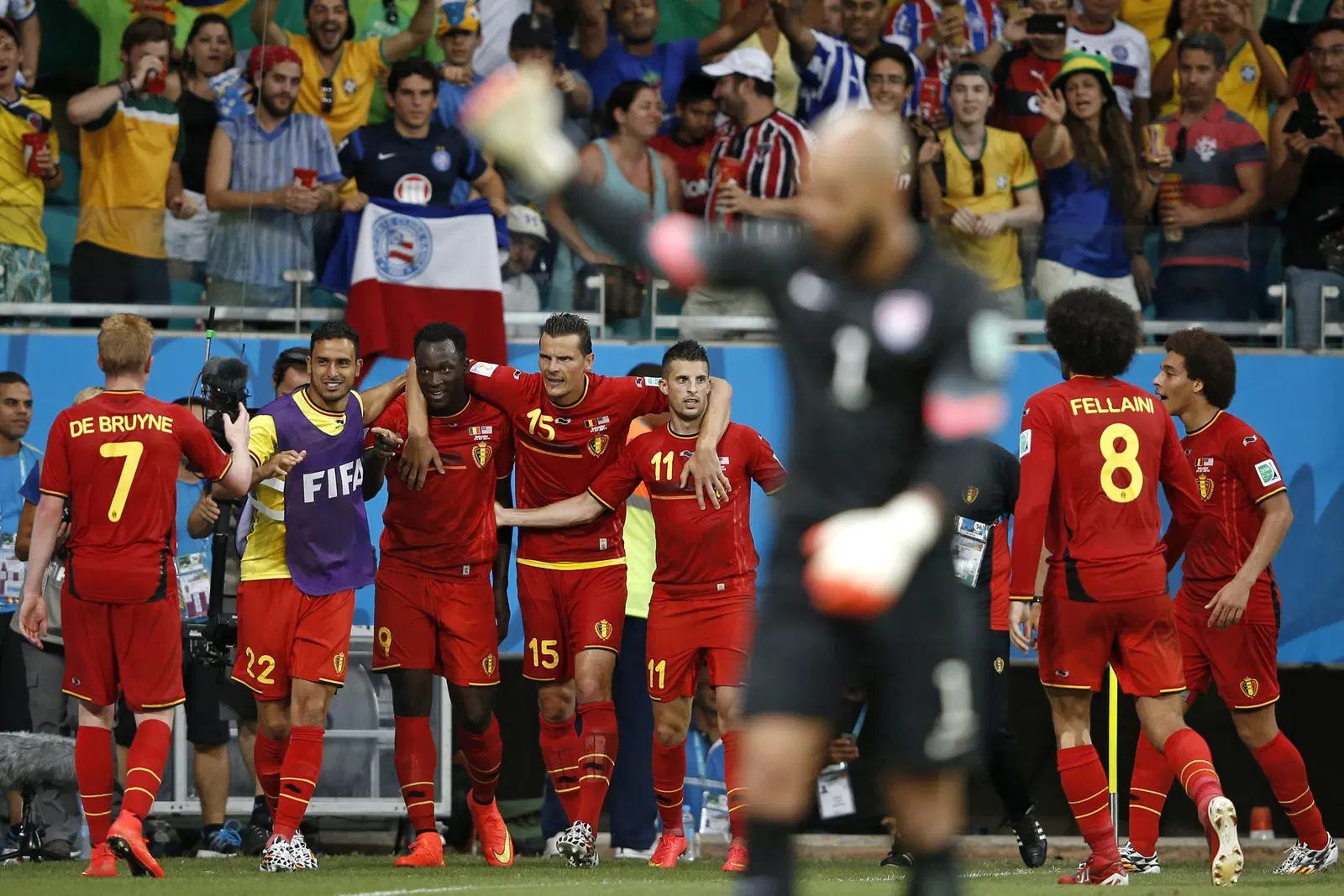
Belgium enters the 2026 FIFA World Cup at a fascinating crossroads. The aura of the feared “Golden Generation” that once sat atop the global rankings has faded, replaced by a reshaped, high-energy squad looking to turn a period of transition into a tournament triumph.
After a disappointing group-stage exit at Qatar 2022, the Red Devils have quietly rebuilt into a more fluid, unpredictable team that now carries the label of a dangerous dark horse rather than a traditional favourite.
The transformation has been driven by a new tactical identity under manager Rudi Garcia, who took charge in January 2025. His arrival marked a decisive shift away from Belgium’s previously rigid structure toward a more flexible, attack-minded 4-2-3-1 system built on possession control, rapid wing transitions, and positional freedom in the final third. The result is a team that is less dependent on individual brilliance alone and more aligned with collective movement and tactical balance.
Belgium’s route to North America was emphatic, highlighted by a ruthless 7-0 demolition of Liechtenstein that underlined the gulf in class and the team’s renewed attacking confidence. The campaign was defined by consistency, efficiency, and a clear evolution in playing style.
Ranked 9th in the world, Belgium enters the tournament in Group G, a section that avoids the “Group of Death” label but still demands precision. Fixtures against Egypt, Iran, and New Zealand present a deceptively tricky pathway where complacency could quickly become costly.
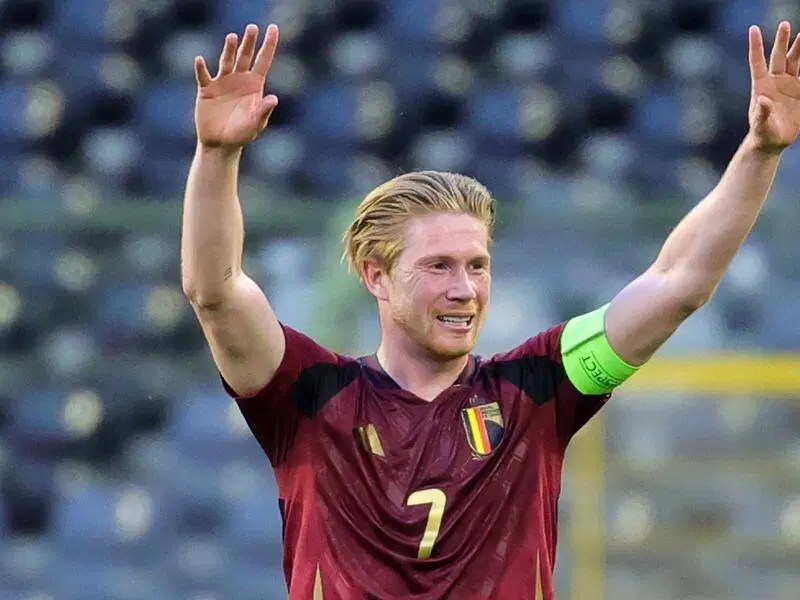
De Bruyne Still the Brain of the Operation
At 34, Kevin De Bruyne remains the technical and creative heartbeat of the team. Now at Napoli, his influence extends beyond simple playmaking; he dictates tempo, controls transitions, and remains Belgium’s most reliable source of elite-level creativity.
Even as age edges into his game, his vision and final pass remain among the best in world football. For Belgium, his presence is not just tactical; it is psychological stability in high-pressure moments.
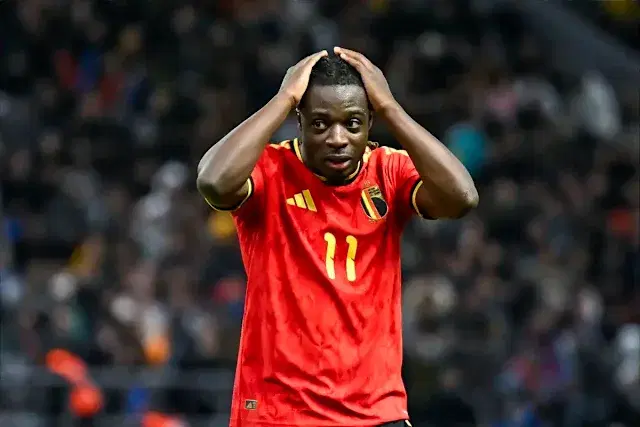
Doku’s Emergence as the Explosive X-Factor
If Belgium has a player capable of shifting games in seconds, it is Jérémy Doku. The Manchester City winger represents the new face of Belgian attacking football, direct, fearless, and unpredictable.
At 23, this tournament is widely viewed as his breakout global stage. His one-on-one ability, acceleration, and improvisation in tight spaces make him the key weapon in Garcia’s wide-focused attacking system.
In a team built on structure, Doku is the chaos element opponents must constantly prepare for.
READ ALSO:
- FIFA World Cup 2026: Football’s $900m Elite Set to Redefine the Global Game
- FIFA World Cup: Things to Know about the Trophy
- FIFA Has Injected $1bn into Africa’s Football Since 2016
- World Bank Import Push Threatens Nigeria’s Gains- Centre
- Natural Gas Remains a Critical Transition Fuel for Africa – MEMAN
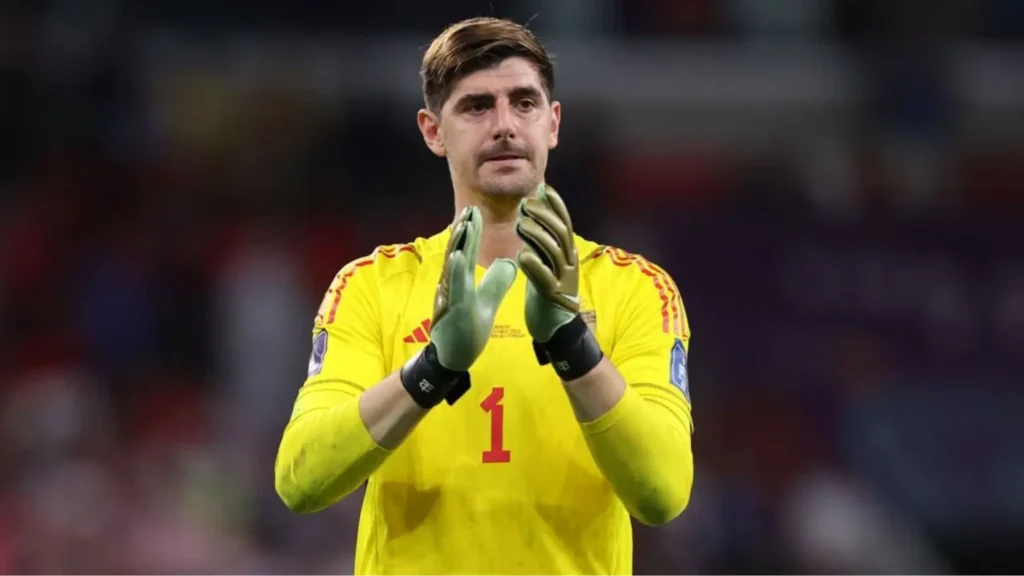
Courtois Brings World-Class Stability at the Back
Thibaut Courtois remains one of the most dependable goalkeepers in world football, with more than 100 international caps and years of elite experience at Real Madrid.
His shot-stopping ability and composure under pressure provide Belgium with defensive assurance, particularly in matches where fullbacks are expected to push high.
In a system built on attacking width, Courtois often becomes the last line of balance.
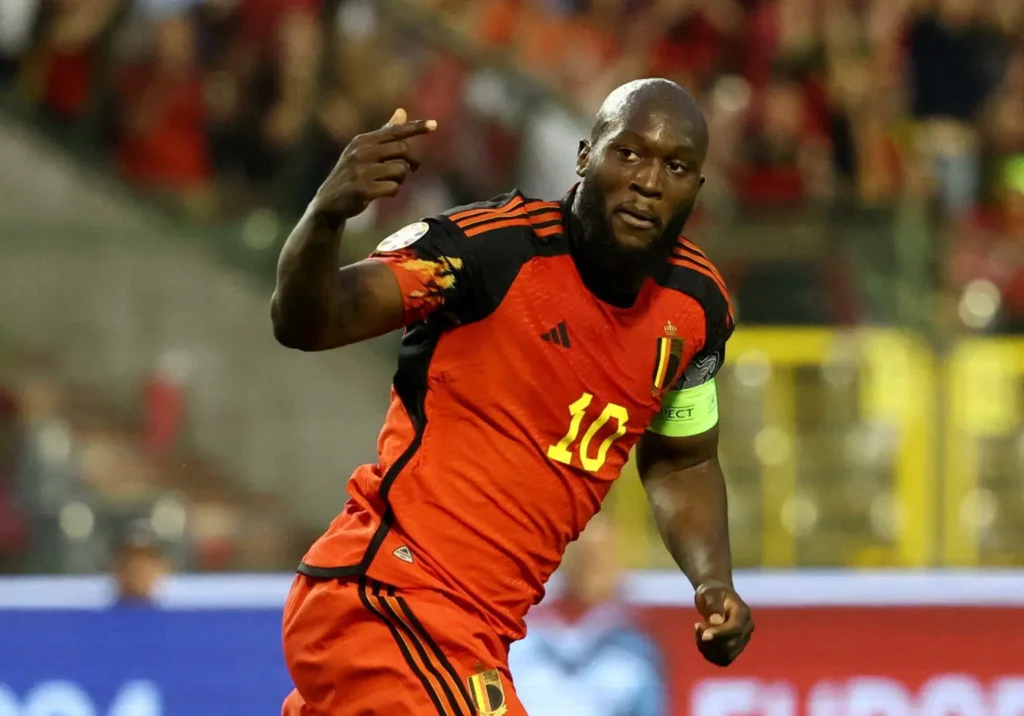
Lukaku’s Final World Cup Mission
Romelu Lukaku enters what is expected to be his final World Cup appearance as Belgium’s all-time leading scorer with 89 international goals. Now at Napoli, the striker remains the central reference point in attack despite recent injury concerns.
With five World Cup goals to his name, Lukaku carries both legacy pressure and opportunity. This tournament represents a final chance to define his international career on the biggest stage, as Belgium continues to rely on his physical presence and finishing instinct in decisive moments.
Group G: Controlled Pressure, No Room for Error
Belgium’s fixtures begin on June 15, 2026, against Egypt at Lumen Field in Seattle, followed by Iran on June 21 at SoFi Stadium in California, before concluding the group stage against New Zealand on June 27 in Vancouver.
On paper, the group appears manageable. In reality, it demands discipline. Teams like Iran and Egypt are known for tactical organisation and resilience, meaning Belgium’s ability to convert dominance into goals will be tested immediately.
This Belgium squad is no longer defined by expectation alone but by evolution. The blend of veteran leadership and emerging dynamism has created a side that is less predictable, more vertical, and more adaptable than in previous cycles.
The question heading into 2026 is no longer about talent; it is about timing. For Belgium’s fading core and rising stars alike, this World Cup may represent the last unified push for a generation still chasing football’s ultimate prize.

Esther Ososanya is an investigative journalist with Pinnacle Daily, reporting across health, business, environment, metro, Fct and crime. Known for her bold, empathetic storytelling, she uncovers hidden truths, challenges broken systems, and gives voice to overlooked Nigerians. Her work drives national conversations and demands accountability one powerful story at a time.