

By Esther Ososanya
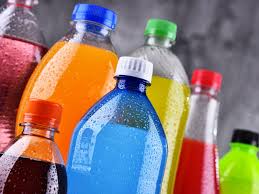
Once considered a harmless refreshment, Nigeria’s addiction to sugar-sweetened beverages (SSBs) is spiralling into a national emergency.
Experts now claim that sugar-sweetened beverages are now fuelling non-communicable diseases (NCDs), draining household incomes, and threatening public health.
“Our streets are becoming graveyards and our hospitals, overcrowded waiting rooms,” said Akinbode Oluwafemi, Executive Director of Corporate Accountability and Public Participation Africa (CAPPA).
In an exclusive interview with Pinnacle Daily, he said, “These drinks are killing Nigerians quietly, cheaply, and daily. We can no longer afford to sip our way into catastrophe.”
A Nation Addicted, a Workforce at Risk
Sugary drinks are no longer confined to urban elites; they now plague artisans, teachers, and civil servants. NCDs such as diabetes, hypertension, obesity, stroke, and heart disease are spreading fast.
According to the World Health Organisation, one in three deaths in Nigeria is due to NCDs. Over ₦1.92 trillion is spent annually on treating these preventable diseases.
“Families are selling land and liquidating savings to pay hospital bills,” Oluwafemi said. “This is not just a health emergency. It’s a silent economic coup.”
Meanwhile, the World Health Organisation (WHO) states daily sugar intake should be less than 10% of total energy, with further reduction to 5% (about 6 teaspoons) offering greater health benefits.
ALSO READ: WHO, Advocates Push Back as Tobacco Industry Shifts Tactics
What are “free sugars”?
These include added sugars (in foods and drinks) and natural sugars in honey, syrups, fruit juices, and fruit juice concentrates.
It does not include sugars naturally found in fresh fruits, vegetables, and milk.
Why the Recommendation?
Excess sugar intake is linked to
- Obesity
- Type 2 diabetes
- Tooth decay
- Increased risk of non-communicable diseases (NCDs)
The ‘Illusion’ of the ₦10 Sugar Tax
In 2021, Nigeria introduced a ₦10 per litre SSB tax, aiming to cut sugar consumption.
This tax adds only ₦3.33 to a 33cl bottle, less than 1% of the retail price.
“What we have is not a deterrent. It’s an illusion,” said Oluwafemi. “Global standards demand at least a 20–50% price increase.” He urged the government to raise the tax to ₦130 per litre.
Nigeria: A Dumping Ground for Toxins?
At the 2025 Food and Beverage West Africa Expo, Oluwafemi saw unlabelled foreign sugary drinks on display. “Some vendors offered to rebrand imported drinks with fake Nigerian labels. That’s criminal,” he revealed.
Weak enforcement and regulatory gaps are turning Nigeria into a toxic dumping ground.
Myths, Lies, and the Sugar Lobby
Oluwafemi debunked common claims made by Big Soda:
- “SSB tax kills jobs” – disproven in South Africa, Mexico, and the UK.
- “Nigerians don’t consume much sugar” – misleading, especially among youth.
- “It’s a foreign idea” – irrelevant when Nigerians are dying locally.
- “Tax lacks transparency” – a reason for reform, not repeal.
“The real question is this,” Oluwafemi asked. “Should corporate profit outweigh national survival?”
Bottled Threat: Sugar as a Security Crisis
Oluwafemi warned that the sugar crisis is eroding national security. “Public health is national security,” he said. “We’re losing our workforce to bottled sugar. And we’re doing it in silence.”
A Call to Action for the Tinubu Administration
Oluwafemi urged Nigeria’s President Bola Ahmed Tinubu to,
- Raise the SSB tax to ₦130/litre
- Allocate revenue to healthcare and nutrition education
- Mandate front-of-pack labeling Ensure revenue transparency from FIRS and Customs
- Prevent industry lobbying
- Invest in agroecology and nutritious food systems
“This is not about punishment. It’s about protection,” he said. “We cannot continue to sell death in bottles and call it business as usual.”
NCDs: The Real Pandemic
Dr Joseph Ekiyor, a global health expert and researcher, called NCDs a “silent epidemic”. In 2021, these diseases caused 43 million deaths worldwide, 75% of all non-pandemic-related fatalities.
“These are not just statistics,” he said. “They represent lives lost, families shattered, and collapsing health systems.”
Ekiyor stressed that 18 million of these deaths occurred in people under 70, with 82% in low- and middle-income countries. He listed cardiovascular disease, cancer, chronic respiratory illness, and diabetes as the main culprits.
“We are losing our future workforce and productivity to preventable conditions,” he warned.
Transparency and Economic Myths: Joy Amafah Isaac Speaks
Joy Amafah Isaac, In-Country Coordinator for the Global Health Advocacy Incubator (GHAI), emphasised the need for transparency in managing SSB tax revenue.
“Transparency is essential. If citizens can’t see the benefits, the policy loses public support,” she said.
She tackled the industry’s argument that SSB taxes lead to job losses. “Evidence from countries like Chile, South Africa, the U.S., Peru, and Mexico proves otherwise. Healthy food policies have no negative impact on jobs or wages,” she explained.
“Nigeria can improve public health without sacrificing the economy,” she added. “From public hospitals to public policy, sugar may be cheap, but the cost of inaction is far too high.”
ALSO READ: Pregnancy at Any Cost: The Hidden Struggles of Nigerian Women
How to Defend the SSB Tax
Isaac outlined three strategies:
- Protect Tax Design: Ensure broad coverage and effectiveness to discourage sugary drink consumption.
- Safeguard Policy-Making: Resist industry influence and defend science-based policymaking.
- Leverage Civil Society: Promote public awareness and hold decision-makers accountable.
“If we get these three right”, she concluded, “we reduce NCDs and protect our economic future. Health policy must serve people, not corporations.”
The Final Choice: Profit or People?
Nigeria faces a defining moment: raise the levy, reform the industry, rescue the future.
“Let history remember this moment,” Oluwafemi said. “When the Nigerian government had to choose between profit and people and chose to save lives.”
From public hospitals to public policy, health advocates agree, sugar is cheap, but the cost of inaction is far too high.

Esther Ososanya is an investigative journalist with Pinnacle Daily, reporting across health, business, environment, metro, Fct and crime. Known for her bold, empathetic storytelling, she uncovers hidden truths, challenges broken systems, and gives voice to overlooked Nigerians. Her work drives national conversations and demands accountability one powerful story at a time.