

For millions of Nigerians living with disabilities, exclusion is not an abstract concept discussed in policy papers or conference rooms. It is the daily reality of inaccessible roads, schools without ramps, hospitals without sign language interpreters, public offices without disability-friendly facilities, and a society where many still struggle to see disability through the lens of rights rather than charity.
In Nigeria’s capital city, Abuja, often regarded as the symbol of national development and modern governance, many persons with disabilities still endure a harsh urban environment built largely without them in mind.
Wheelchair users grapple with navigating broken walkways and inaccessible public buildings. Visually impaired residents struggle with transportation systems designed without accessibility considerations. Children with disabilities continue to face barriers in accessing quality education, while women and girls living with disabilities remain among the country’s most vulnerable populations, frequently exposed to violence, economic hardship, stigma, and neglect.
Despite years of disability laws, policies, advocacy campaigns, and international commitments, implementation has remained weak, fragmented, and painfully slow.
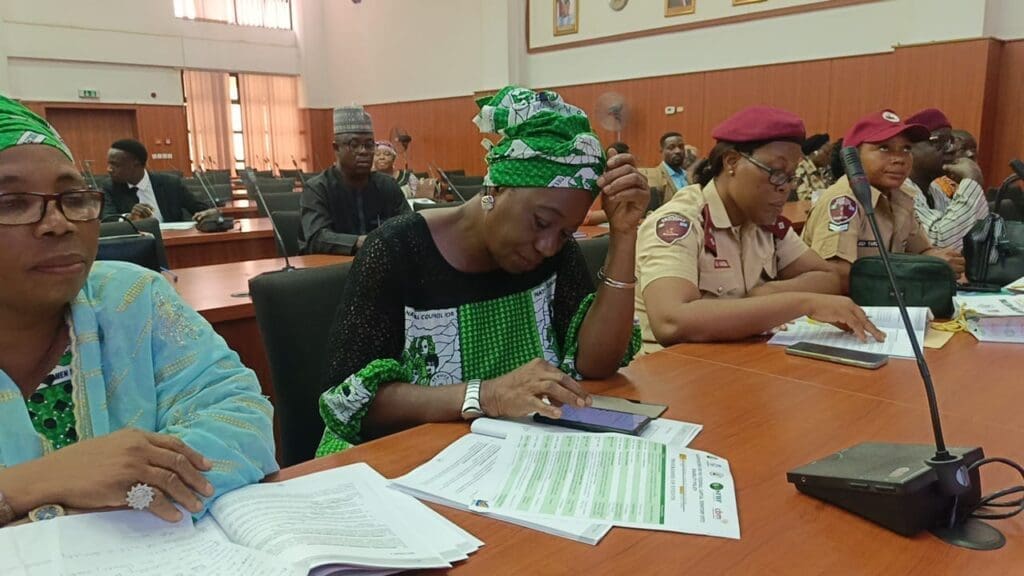
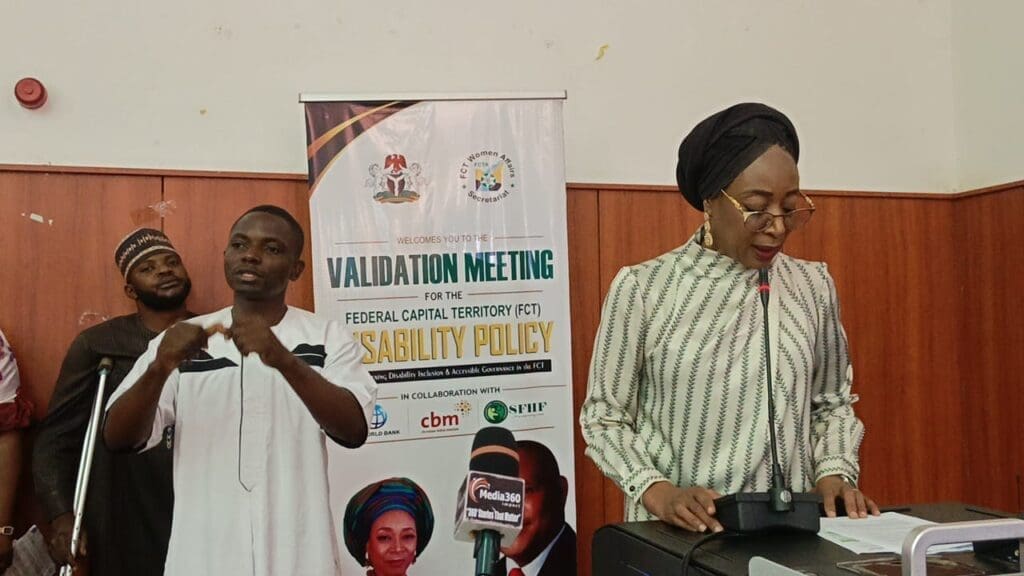
It was against this backdrop that government officials, development partners, disability rights advocates, and civil society groups gathered in Abuja for the validation meeting of the proposed Federal Capital Territory (FCT) Disability Policy, a meeting many participants described as one of the most significant disability inclusion efforts currently underway in Nigeria’s capital.
But beyond the official speeches and technical presentations, the gathering exposed a deeper national crisis. Nigeria may not necessarily suffer from a lack of disability policies, but from a longstanding inability to implement them.
A Policy or Promise?
The validation meeting, supported by the World Bank, Sustainable Family Healthcare Foundation (SFHF), CBM International, and the FCT Women Affairs Secretariat, was designed to review, strengthen, and finalize the FCT Disability Policy before its expected approval by the FCT Administration.
Yet for many disability advocates in attendance, the gathering carried emotional significance far beyond bureaucratic procedure.
Several stakeholders described the proposed policy as potentially transformative because it attempts to institutionalize disability inclusion across governance, healthcare, infrastructure, education, employment, urban planning, and social protection systems within the nation’s capital.
Unlike many previous interventions criticized for existing only on paper, participants repeatedly stressed the need for enforcement, funding, monitoring mechanisms, and institutional accountability.
The urgency was unmistakable.
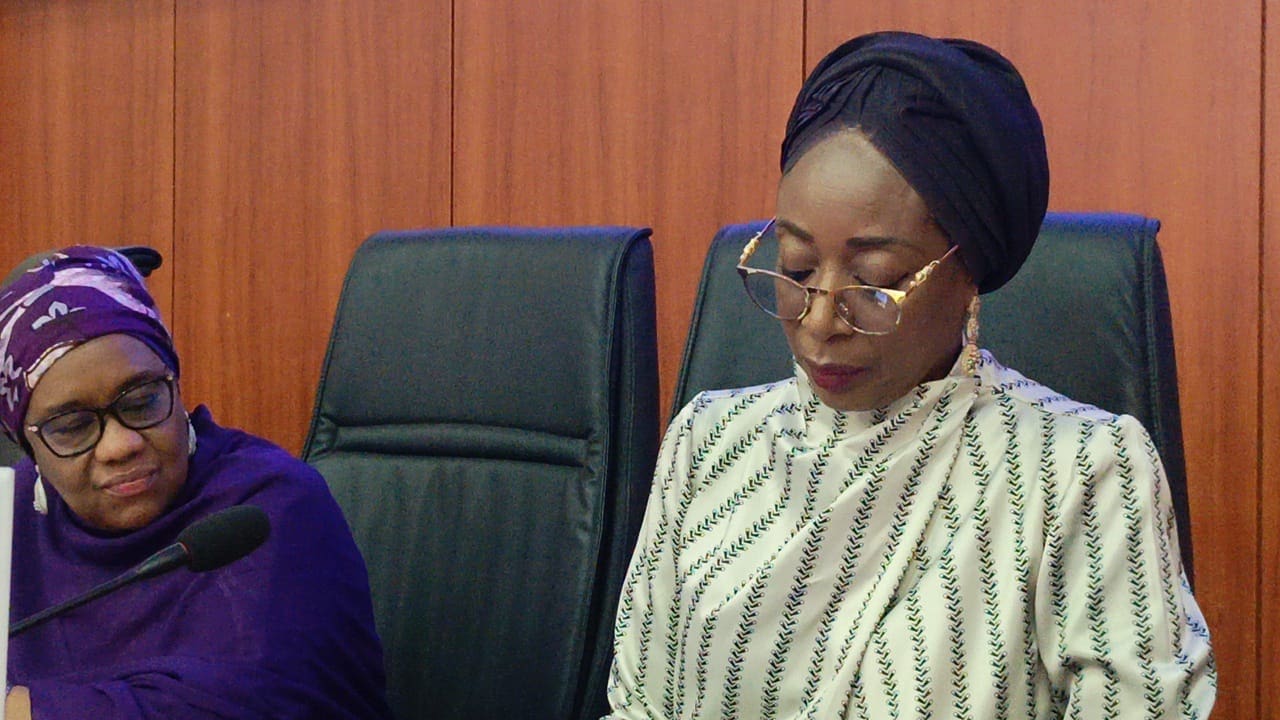
“This policy is more than a framework. It is a covenant,” declared Mandate Secretary of the FCT Women Affairs Secretariat, Adedayo Benjamin-Laniyi.
Her statement captured the mood of the gathering, a recognition that persons with disabilities are demanding not sympathy, but structural inclusion and equal citizenship.
According to Benjamin-Laniyi, the disability policy represents a commitment by the FCT Administration to ensure that residents living with disabilities are no longer treated as invisible members of society.
“This policy is a covenant between the FCT Administration and every resident with disability, both visible and invisible, to let you know that you are valued, protected, and prioritized,” she said.
Her remarks reflected a growing shift in disability advocacy globally, away from welfare-based approaches toward rights-based governance frameworks that recognize accessibility, inclusion, dignity, and participation as fundamental human rights.
Years of Neglect, Symbolic Policies
Throughout the meeting, one issue surfaced repeatedly: Nigeria’s history of producing policies that fail at the implementation stage.
For disability advocates, this remains the country’s greatest challenge.
Many participants openly acknowledged that several disability-related laws and frameworks already exist at both national and state levels, including the Discrimination Against Persons with Disabilities (Prohibition) Act.
Yet enforcement has remained weak.
Public buildings continue to violate accessibility standards. Employment discrimination persists. Transportation systems remain largely inaccessible. Many schools still lack facilities for inclusive learning, while healthcare access remains deeply unequal for persons with disabilities.
Benjamin-Laniyi herself admitted that too many policies had been left abandoned in government offices while the people they were meant to protect continued to suffer exclusion.
Her comments resonated strongly with disability advocates who have spent years pushing for meaningful reforms.
The validation meeting, therefore, became not just a technical exercise but a public acknowledgement that government institutions must now move beyond rhetoric.
The Invisible Burden on Women with Disabilities
One of the strongest themes that emerged during the discussions was the disproportionate burden carried by women and girls living with disabilities.
Stakeholders warned that disability and gender inequality often intersect in ways that leave women with disabilities especially vulnerable.
According to the FCT Women Affairs Secretariat, many women with disabilities face multiple forms of exclusion, from economic hardship and unemployment to healthcare discrimination and gender-based violence.
Advocates noted that women with disabilities are frequently excluded from reproductive healthcare services, educational opportunities, political participation, and economic empowerment programmes.
In some cases, they also face social stigma within their own communities and families.
Benjamin-Laniyi revealed that the Women Affairs Secretariat had established the first disability desk within the FCT Administration specifically to address these realities.
The initiative is expected to focus on issues affecting women and girls with disabilities, including access to justice, healthcare, economic inclusion, and protection from abuse.
Disability rights groups at the meeting stressed that future policies must deliberately address the unique vulnerabilities faced by women and girls rather than treating persons with disabilities as a homogenous group.
READ ALSO:
- Nigerians Yet to Feel Impact of Fuel Subsidy Removal – Economist
- Nigerians Mark 2026 Eid Celebration amid Food Price Surge
- FG Seeks Nigerians’ Views on Social Media Age Limits for Children
- Hypertension Crisis: Experts Advocate Potassium-rich Diet, Reduced Salt Intake for Nigerians
Beyond social exclusion, the discussions also highlighted a major urban planning challenge confronting the Federal Capital Territory.
Although Abuja is widely regarded as one of Nigeria’s most modern cities, accessibility gaps remain glaring.
Across the city, many public institutions still lack ramps, elevators, tactile paving, accessible toilets, disability-friendly transportation systems, or inclusive communication structures.
For persons with disabilities, these barriers often translate into exclusion from education, healthcare, employment, and civic participation.
Permanent Secretary of the FCT Women Affairs Secretariat, Dr. Asmau Mukhtar, stressed the importance of integrating accessibility into public infrastructure and city management systems.
She called on stakeholders to ensure the policy contains practical measures capable of transforming Abuja into a genuinely inclusive city.
Experts at the meeting warned that unless disability inclusion is embedded into future urban planning decisions, Abuja risks deepening social inequality despite its status as the nation’s capital.
“Nothing about us Without us”
Another recurring message during the validation process was the principle of participation.
Disability advocates repeatedly insisted that persons with disabilities must not merely be consulted symbolically but actively involved in decision-making processes affecting their lives.
The phrase “Nothing About Us Without Us” echoed throughout the meeting.
The principle, globally recognized within disability rights movements, emphasizes that policies concerning persons with disabilities should never be designed without their direct involvement.
Participants argued that persons with disabilities understand the realities of exclusion better than anyone else and therefore must play central roles in policy implementation, monitoring, budgeting, and evaluation.
Several advocacy groups also called for stronger representation of persons with disabilities within governance structures and public institutions across the FCT.
World Bank, CBM, SFHF Back Implementation Push
Development partners at the meeting stressed that international support alone would not guarantee success unless local institutions demonstrate genuine commitment.
Executive Director of Sustainable Family Healthcare Foundation (SFHF), Peter Ogunmayin, emphasized that the disability policy must become a working governance document rather than another ceremonial framework.
“This is not a document meant to gather dust on tables,” she said.
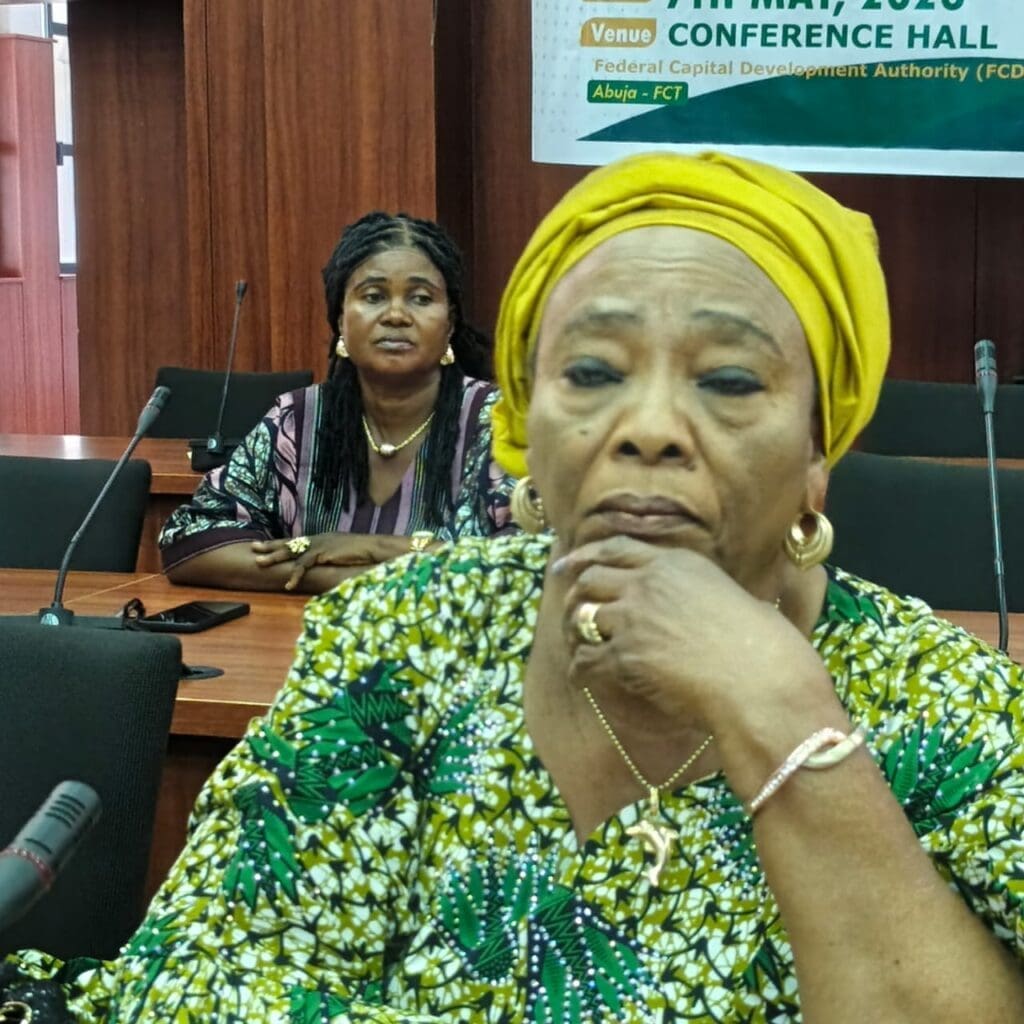
According to her, the policy should directly influence planning, budgeting, programme design, and implementation across sectors.
She also acknowledged the role of CBM International as a key partner supporting disability inclusion initiatives in the FCT.
Representing CBM International, Country Programme Manager Michael A. Idah praised the consultative approach behind the policy development process.
He noted that the initiative aligns with global best practices because it reflects the lived experiences of persons with disabilities themselves.
Idah reaffirmed the organization’s commitment to supporting disability rights in line with the United Nations Convention on the Rights of Persons with Disabilities.
He disclosed that CBM International, in partnership with SFHF, is currently implementing the “Advancing Disability Inclusive Development through Implementation of the Disability Law and OPD Empowerment Project” in both the FCT and Osun State.
The programme is expected to continue through 2027.
35 Million Nigerians Living With Disabilities
Perhaps the most sobering moment of the meeting came when Executive Secretary of the National Commission for Persons with Disabilities, Ayuba Gufwan, revealed the scale of Nigeria’s disability challenge.
According to him, over 35 million Nigerians currently live with disabilities.
The figure highlights a population larger than many African countries a demographic whose needs are often overlooked in policy planning, healthcare delivery, infrastructure development, and economic systems.
Gufwan also disclosed that nine out of every ten persons with disabilities require assistive devices such as wheelchairs, crutches, hearing aids, prosthetics, mobility tools, and communication aids. Most of these devices are imported, he said.
This dependence on imported assistive technology has become increasingly problematic amid rising inflation, foreign exchange instability, and economic hardship.
For many Nigerians with disabilities, essential assistive devices remain financially out of reach.
Experts warned that without local production systems, subsidies, or stronger healthcare support mechanisms, millions could remain trapped in cycles of poverty and exclusion.
Implementation: The Real Test
While stakeholders welcomed the validation exercise, many warned that Nigeria’s disability movement has reached a critical point where success will no longer be measured by speeches, conferences, or policy launches.
Instead, the true measure will be implementation. Will public buildings become accessible? Will schools admit and support children with disabilities? Will healthcare systems become inclusive? Will women with disabilities gain protection from violence?
Will persons with disabilities gain access to jobs, leadership positions, transportation, and justice systems? Will funding be released? Will agencies be empowered? Will accountability mechanisms exist?
These are the questions disability advocates say will determine whether the FCT Disability Policy becomes a landmark reform or another missed opportunity.
For now, however, many stakeholders believe the validation exercise may represent the beginning of a broader shift within Nigeria’s governance system one where disability inclusion is no longer treated as charity, tokenism, or political symbolism, but as an essential part of development, human rights, and nation-building.
And for the millions of Nigerians living with disabilities, that shift cannot come soon enough.

Esther Ososanya is an investigative journalist with Pinnacle Daily, reporting across health, business, environment, metro, Fct and crime. Known for her bold, empathetic storytelling, she uncovers hidden truths, challenges broken systems, and gives voice to overlooked Nigerians. Her work drives national conversations and demands accountability one powerful story at a time.