


How millions of Nigerians are unknowingly eating their way into hypertension, diabetes, obesity and heart disease and why a simple habit could help save lives.
Every day, millions of Nigerians walk into supermarkets believing they are simply buying food. A bottle of soft drink. A carton of fruit juice. A packet of biscuits. A loaf of bread. A breakfast cereal. An instant noodle.
Most of these products are selected within seconds, influenced by price, taste, colourful packaging or familiar brands. Few shoppers stop to turn the package over. Fewer still take time to check the sugar content, sodium level, saturated fat or ingredients before placing them in their shopping baskets.
Yet those overlooked details may determine far more than what goes home with them.
Public health experts warn that the nutritional information many consumers ignore today could shape their risk of developing hypertension, diabetes, obesity, stroke, cardiovascular disease and other diet-related non-communicable diseases in the years ahead.
Repeated day after day, these seemingly ordinary shopping decisions have quietly contributed to a growing public health challenge that is placing increasing pressure on families and Nigeria’s healthcare system.
Concern over the trend has prompted a coalition involving the National Agency for Food and Drug Administration and Control (NAFDAC), the World Health Organisation (WHO), UNICEF, the University of Abuja, Corporate Accountability and Public Participation Africa (CAPPA), the Nutrition Society of Nigeria and other civil society organisations to launch a nationwide ‘Read the Food Label’ Campaign.

The initiative seeks to change a habit many Nigerians scarcely realise they have developed, buying packaged foods without first understanding what they contain. By encouraging consumers to read and interpret nutrition labels before making a purchase, stakeholders hope to empower Nigerians to make healthier choices and curb the rising burden of diet-related diseases.
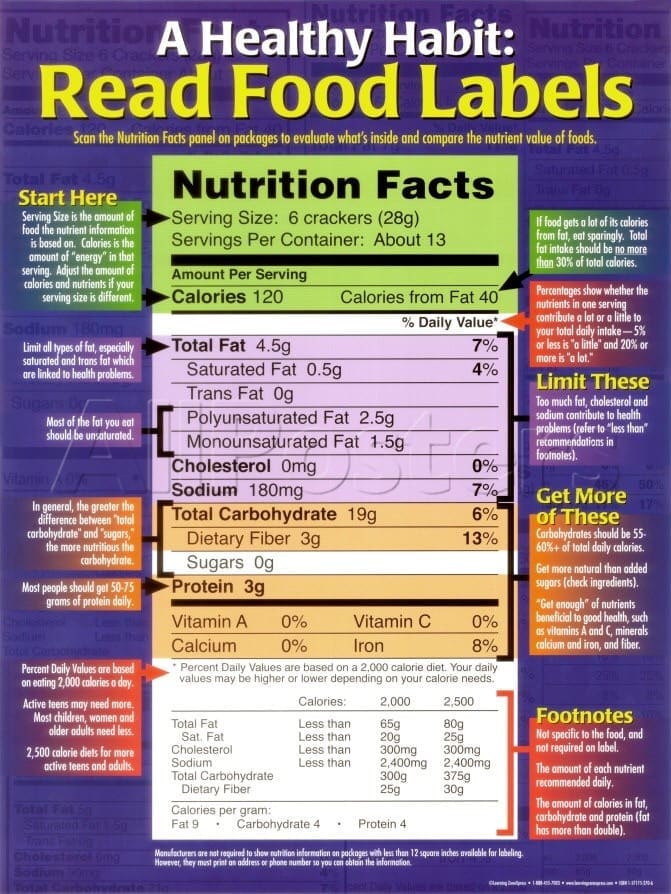
According to health experts, the information printed on food packages is more than a regulatory requirement. It is a practical guide that helps consumers understand how much sugar, salt, saturated fat and other nutrients are contained in the products they buy. It also provides details about ingredients, allergens, storage conditions, serving sizes and expiry dates that can influence both immediate and long-term health.
Yet these details are often ignored.
Declaring the campaign open in Abuja, the Director-General of NAFDAC, Prof. Mojisola Adeyeye, described food labels as powerful public health tools that enable consumers to make informed dietary choices at a time when diet-related illnesses are becoming increasingly common.
“Today marks another significant milestone in our collective efforts to protect and promote the health of Nigerians by empowering consumers with the knowledge and tools they need to make informed food choices,” she said.
She stressed that reading food labels should become a routine habit for every consumer rather than an afterthought, noting that informed purchasing decisions can help reduce the growing burden of preventable illnesses.
For Adeyeye, the message is also deeply personal.
She said her commitment to reading food labels was born out of a deeply personal experience. She recalled that her young son once suffered a reaction to a food additive, prompting her to scrutinise the nutritional information on every packaged food she buys.
“My son reacted to a food additive when he was very young. That experience made me develop the habit of reading food labels because I wanted to ensure my family stayed healthy. Whenever I go shopping, I immediately check the sugar content, sodium level and other nutritional information,” she said.
That incident, she said, changed the way she shopped forever.
Since then, checking sugar levels, sodium content and other nutritional information has become a routine part of every shopping trip, a habit she believes every Nigerian should adopt.
Her advice comes at a time when Nigeria is undergoing a significant shift in its disease profile.
While infectious diseases remain a major public health concern, illnesses linked to poor diet and unhealthy lifestyles are increasing rapidly. Public health experts attribute this trend to changing eating habits, growing consumption of ultra-processed foods and beverages, reduced physical activity and limited understanding of nutritional information.
According to the World Health Organisation, non-communicable diseases now account for about 29 per cent of all deaths in Nigeria, with cardiovascular diseases responsible for the largest share.
Medical experts warn that many of these illnesses develop silently over several years before symptoms become obvious. By the time they are diagnosed, many patients already require lifelong treatment, placing heavy financial and emotional burdens on families.
Against this backdrop, stakeholders say the Read the Food Label Campaign is not simply about encouraging Nigerians to examine the back of a package. It is about giving consumers the knowledge to recognise hidden health risks before products reach their shopping baskets and, ultimately, their dining tables.
For regulators and health advocates alike, the goal is straightforward: transform food labels from overlooked fine print into an essential tool for protecting public health.
A Nation’s Diet Is Changing—So Is Its Disease Burden
For decades, Nigeria’s health system focused largely on infectious diseases such as malaria, tuberculosis and HIV/AIDS. While those illnesses remain significant, another public health challenge has been growing quietly in the background.
Across cities and towns, changing lifestyles, rapid urbanisation and the increasing availability of ultra-processed foods have transformed the way many Nigerians eat. Sugary drinks, packaged snacks, instant noodles, processed meats and ready-to-eat meals have become staples in many households, replacing healthier, traditional diets.
Health experts say this dietary transition is fuelling a steady increase in non-communicable diseases (NCDs), including hypertension, obesity, Type 2 diabetes, stroke and heart disease.
As the World Health Organisation (WHO) already states, NCDs account for about 29 per cent of all deaths in Nigeria, with cardiovascular diseases responsible for the largest proportion.
Unlike infectious diseases, these illnesses often develop gradually. A person may consume excessive amounts of sugar, salt and unhealthy fats for years without obvious symptoms, only to discover much later that they have developed a chronic condition requiring lifelong treatment.
For health professionals, this makes prevention far more effective and far less costly than treatment.
One of the simplest preventive measures, they argue, begins not in a hospital but in the supermarket aisle.
Evidence Behind the Campaign
The nationwide campaign is backed not only by regulators but also by scientific research.
Lead Investigator on Cardiovascular Health at the University of Abuja, Prof. Dike Ojji, said unhealthy diets have become a major contributor to cardiovascular diseases and other chronic illnesses in Nigeria.
He explained that researchers at the university have played a leading role in generating evidence that informed national policies on nutrient profiling and front-of-pack food labelling.
“The University of Abuja has been at the forefront of ensuring proper food labelling in Nigeria. Our research findings have been highly valuable in developing national policies on nutrient profiling and front-of-pack food labelling,” he said.
According to Ojji, translating scientific findings into clear and practical information for consumers remains one of the most effective ways to prevent chronic diseases before they develop.
The Hidden Ingredients Consumers Rarely Notice
Nutrition experts say many consumers focus on a product’s attractive packaging while overlooking the information that matters most.
A colourful fruit drink may appear healthy yet contain large amounts of added sugar.
Breakfast cereals marketed as nutritious may still contain excessive sodium.
A snack labelled “low fat” may compensate with higher sugar content.
Without reading the nutrition panel, consumers may unknowingly exceed recommended daily limits for sugar, salt and unhealthy fats through multiple food choices made throughout the day.
According to health advocates, the cumulative effect of these decisions can significantly increase the risk of chronic illnesses over time.
Ultra-Processed Foods Under Scrutiny
Supporting the campaign, Executive Director of Corporate Accountability and Public Participation Africa (CAPPA), Akinbode Oluwafemi, represented by the organisation’s Associate Director and Healthy Food Policy Manager, Abayomi Sarumi, described the initiative as a timely intervention.
He said Nigerian consumers are increasingly exposed to aggressively marketed ultra-processed foods and beverages whose nutritional quality is often poorly understood.
“Understanding what is in these products is a public health necessity,” Sarumi said.
“Reading food labels helps consumers identify products containing excessive sugar, salt, trans fats and other nutrients of concern that increase the risk of hypertension, diabetes, obesity, stroke and heart disease.”
He noted that improving nutrition literacy is central to protecting public health and aligns with broader efforts to place healthier food policies at the centre of Nigeria’s development agenda.
For public health advocates, the issue extends beyond personal responsibility.
They argue that consumers cannot make healthier choices if they do not understand the information available to them. Helping Nigerians interpret food labels, they say, is therefore not simply a nutrition campaign—it is a disease prevention strategy capable of improving health outcomes nationwide.
Why Millions of Nigerians Still Ignore Food Labels
Despite the growing burden of diet-related diseases, reading food labels remains far from routine for many Nigerian consumers.
Walk into most supermarkets, neighbourhood stores or open markets, and shoppers are more likely to compare prices than nutritional values. Attractive packaging, promotional discounts and familiar brands often influence purchasing decisions long before anyone turns a product over to examine what it contains.
Public health experts say several factors explain this behaviour.
For many consumers, nutrition labels appear too technical to understand. Ingredients are often listed using scientific terms, while nutritional tables contain percentages and measurements that mean little to the average shopper. Others complain that the print is too small to read, while many admit they have never been taught how to interpret the information in the first place.
Economic realities also shape purchasing habits.
With inflation continuing to erode household incomes, affordability often takes precedence over nutritional value. Families trying to stretch limited budgets naturally focus on price, leaving little room to compare the health implications of similar products.
Health advocates acknowledge these pressures but argue that understanding food labels does not necessarily require spending more money. Even among products within the same price range, checking sugar, sodium and fat content can help consumers make healthier choices.
A Collective Response
Recognising the urgency of the challenge, international organisations, researchers and civil society groups have joined regulators to strengthen public awareness.
Representing the WHO Country Representative, Dr. Walter Kazadi Mulombo, the organisation’s Nutrition Technical Officer, Dr. Pinda Wakawa, described the campaign as a timely intervention against the country’s growing burden of food-related diseases.
He reaffirmed WHO’s commitment to supporting Nigeria’s efforts to improve nutrition literacy and promote healthier diets through sustained public education and evidence-based policies.
Dr. Emmanuel Sokpo, Country Director of the Network for Health Equity, said the campaign is about much more than reading words printed on food packages.
According to him, it represents an opportunity to build a culture of informed decision-making, strengthen healthier food systems and empower Nigerians to take greater control of their health through everyday dietary choices.
Resolve to Save Lives Nigeria also welcomed the initiative.
Its Executive Director, Mrs. Nanlop Ogbureke, observed that although food labels contain valuable nutritional information, many consumers struggle to interpret them because of technical language, complex nutrition panels and difficult-to-read print.
She stressed that improving nutrition literacy is essential if consumers are to identify products high in sugar, sodium and unhealthy fats before making purchasing decisions.
Taking the Campaign Nationwide
The Nutrition Society of Nigeria believes the initiative must extend beyond supermarkets and urban shopping malls.
Its President, Prof. Salisu Maiwada, pledged that nutrition professionals across the country’s 774 local government areas would support the campaign through schools, communities and public awareness programmes.
He also announced that the society would dedicate part of its annual conference to promoting food label education and encouraging healthier dietary habits among Nigerians.
For stakeholders, success will not be measured by the number of campaign launches or media appearances.
It will depend on whether millions of Nigerians begin making more informed decisions every time they shop.
Changing a long-established habit will not happen overnight.
But public health experts believe that helping consumers understand what they eat before they buy it could become one of the country’s most effective strategies for reducing preventable illnesses and improving long-term health outcomes.
Beyond Awareness: Turning Information into Action
Public health experts agree that reading a food label is only the first step. The greater challenge is helping consumers understand what the information means and how to use it when making purchasing decisions.
Nutrition specialists advise Nigerians to pay close attention to a few key details before buying any packaged food.
Among the most important is the sugar content. Foods and beverages high in added sugar have been linked to obesity, Type 2 diabetes, tooth decay and cardiovascular diseases when consumed regularly.
Sodium is another critical nutrient to monitor. Excessive salt intake significantly increases the risk of hypertension, stroke and kidney disease. Many processed foods—including instant noodles, canned foods, processed meats and savoury snacks—contain far more sodium than consumers realise.
Experts also encourage shoppers to check saturated fat and trans fat levels, which are associated with elevated cholesterol and a higher risk of heart disease.
The ingredient list deserves equal attention. Ingredients are arranged in descending order by weight, meaning those listed first are present in the greatest quantities. If sugar or other sweeteners appear among the first few ingredients, the product is likely high in added sugar despite any healthy-sounding claims displayed on the front of the package.
Consumers should also check serving sizes, expiry dates, storage instructions and allergen information, particularly when purchasing food for children, older adults or people with existing medical conditions.
Health experts emphasise that these simple checks take less than a minute but can help families make healthier choices over time.
Looking Beyond Marketing Claims
Nutritionists also caution consumers against relying solely on promotional messages displayed on food packaging.
Terms such as “natural,” “fortified,” “low fat,” “rich in vitamins,” or “made with real fruit” may create the impression that a product is healthy. However, these claims do not always reflect its overall nutritional quality.
A breakfast cereal promoted as vitamin-rich may still contain excessive added sugar. A fruit-flavoured drink may derive only a small proportion of its content from real fruit while containing significant amounts of sugar and artificial flavourings. Likewise, products marketed as “low fat” may compensate with higher levels of sugar or sodium.
For this reason, experts advise consumers to look beyond advertising and examine the complete nutrition information before making a purchase.

A Shared Responsibility
Stakeholders agree that improving Nigeria’s nutrition literacy requires collective action.
Government agencies must continue enforcing food-labelling standards and supporting policies that make nutritional information clearer and easier to understand.
Food manufacturers have a responsibility to present accurate, truthful and accessible information that enables consumers to make informed decisions rather than relying on marketing claims alone.
Healthcare professionals should incorporate nutrition counselling into routine patient care, particularly for people living with hypertension, diabetes, obesity and other chronic conditions where diet plays a critical role in treatment.
Schools can also help by introducing nutrition education early, equipping children with healthy eating habits that will serve them throughout life.
Parents, meanwhile, remain the first line of defence. By teaching children to look beyond colourful packaging and understand what food labels reveal, families can help build healthier habits that extend from one generation to the next.
Public health experts believe that lasting improvements will depend on sustained collaboration among regulators, researchers, healthcare professionals, educators, civil society organisations, manufacturers and consumers themselves.
Ultimately, the campaign is not simply about encouraging Nigerians to read what is printed on food packages. It is about empowering them to make informed decisions that protect their health, reduce the burden of preventable diseases and improve quality of life.
READ ALSO:
- World Food Day: Experts Raise the Alarm over Persisting Food Crisis in Nigeria
- How Nigeria Can Curb Deadly Foodborne Diseases, Save 200,000 Lives Annually — Expert
- Silent Killer on the Plate: How Excess Salt is Driving Nigeria’s Health Crisis
- Aproko Doctor Raises the Alarm Over Health Risks of Rotten Tomatoes
Every day, millions of Nigerians walk into supermarkets believing they are simply buying food.
In reality, they are making health decisions.
Some of those decisions will shape their blood pressure years from now.
Some will determine their risk of diabetes, heart disease or stroke.
Others will influence the health of their children long before symptoms ever appear.
The tragedy is that many of those choices are made without using the very information designed to protect them.
That is why the Read the Food Label Campaign is more than a public awareness initiative. It is an invitation to rethink the relationship between food, health and personal responsibility. It challenges Nigerians to look beyond colourful packaging, persuasive advertising and familiar brands, and to ask one simple question before every purchase:
What am I really putting into my body?
For regulators, the challenge is to ensure that food labels are accurate, clear and easy to understand. For manufacturers, it is to put transparency ahead of marketing. For healthcare professionals, researchers and civil society organisations, it is to sustain public education until reading food labels becomes as routine as checking a product’s price or expiry date.
Ultimately, however, the greatest responsibility rests with consumers.
Because every shopping basket reflects a series of choices.
And every choice carries consequences. As Nigeria battles the growing burden of hypertension, diabetes, obesity and other diet-related illnesses, perhaps the country’s next public health breakthrough will not begin in a hospital, a laboratory or a pharmacy.
It may begin in a supermarket aisle. With a shopper. A food package. A nutrition label. And a decision that takes only a few seconds but has the power to protect a lifetime.

Esther Ososanya is an investigative journalist with Pinnacle Daily, reporting across health, business, environment, metro, Fct and crime. Known for her bold, empathetic storytelling, she uncovers hidden truths, challenges broken systems, and gives voice to overlooked Nigerians. Her work drives national conversations and demands accountability one powerful story at a time.