

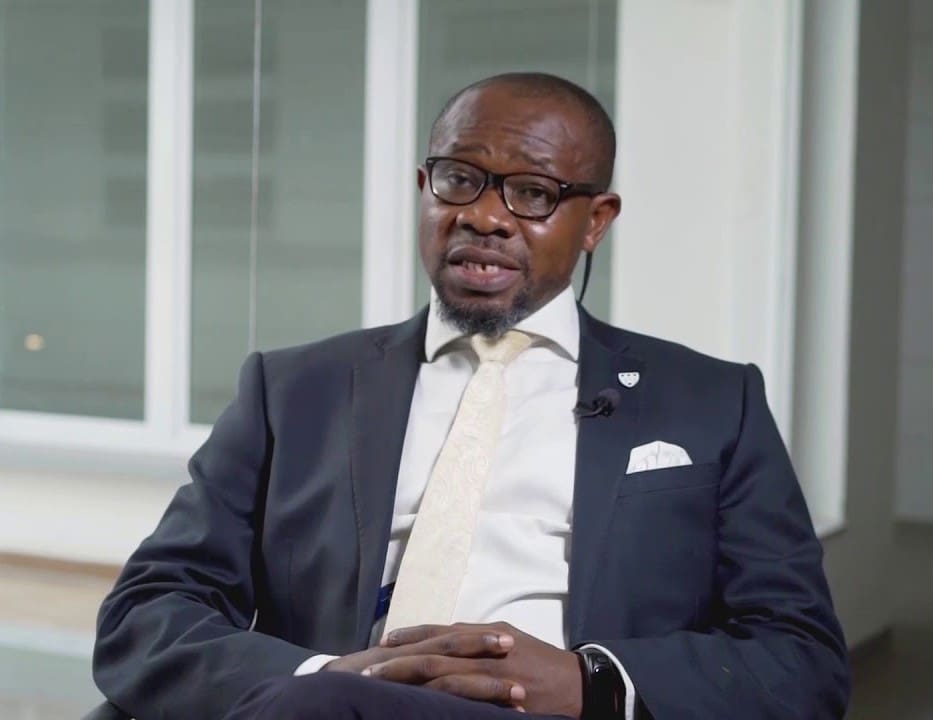
Economist, Professor Bongo Adi, has warned that while data show Nigeria’s economy is growing, the citizens with harsh economic conditions that continue to impoverish them.
Adi stated this while commenting on the World Bank Report released on Wednesday.
According to the report, the World Bank has upgraded Nigeria’s 2025 economic growth forecast to 4.2 per cent, a 0.6 percentage point increase from its previous projection, citing improved macroeconomic stability, a stronger services sector, and the early impact of key structural reforms.
In its latest Africa’s Pulse report released on Wednesday, the Washington-based lender said Nigeria’s growth would rise from 4.1 per cent in 2024 to 4.2 per cent in 2025, and further to 4.4 per cent between 2026 and 2027. The Bank attributed the improved outlook to the economic reforms introduced under President Bola Tinubu’s administration, particularly efforts to stabilise the foreign exchange market and restore investor confidence.
While analysing the report during an interview, Adi said the World Bank’s optimism is justified given Nigeria’s shrinking fiscal deficit and signs of stabilisation in key economic indicators. However, he warned that the positive outlook does not reflect the daily realities of millions of Nigerians facing worsening poverty.

“Growth has improved because the underlying macroeconomics conditions have stabilised,” Adi said. “But we can’t celebrate growth while 139 million Nigerians are living in poverty the highest number in the nation’s history.”
According to him, recent reforms such as tax adjustments and the removal of fuel subsidies may have boosted government revenue and fiscal discipline, but they have also eroded household purchasing power.
READ ALSO: 139 Million Nigerians Still Poor Despite Economic Reforms-World Bank
“Before May 2023, Nigeria’s per capita income was nearly $2,000,” he explained. “Today, it’s around $800 due to devaluation. The average Nigerian has less money to spend, even as taxes increase. This deepens poverty despite stronger GDP numbers.”
The World Bank’s report urged Nigeria to pair its reforms with social protection programmes to cushion vulnerable citizens. The government has announced conditional cash transfers of ₦25,000 to millions of households, but experts say the scheme’s impact has been minimal.
Professor Adi noted that evidence shows such transfers have not significantly reduced poverty in Nigeria due to weak institutional oversight and politicisation.
“Conditional cash transfers haven’t worked well here because they lack credible delivery systems,” he said. “In countries like Brazil and Mexico, they succeeded because institutions managed them transparently. Here, the process is opaque and often driven by politics.”
He added that many Nigerians claim not to know anyone who has benefited, questioning the government’s data transparency.
“Even if some people receive ₦25,000, what can that buy today?” he asked. “It’s too little, too late.”
READ ALSO: High Food Prices Undermining FG’s Reforms – World Bank
While the federal government has celebrated reforms that have led to greater fiscal stability and foreign exchange gains, critics argue that economic growth is not translating into prosperity for most citizens.
The economist said the country faces a dilemma balancing fiscal reforms with citizens’ welfare.
“Growth is important, but we must also focus on how wealth is distributed,” he said. “Nigeria’s reforms must be people-centered, not just market-driven.”
The economist called for greater institutional accountability and a shift from what he described as a “revenue-sharing democracy” to a “tax-paying democracy” where citizens can demand transparency.
“When people pay taxes, they hold leaders accountable. But when revenue comes mainly from oil, citizens have no voice, and leaders feel no obligation to explain how public funds are used,” he noted.
READ ALSO: Abuja Residents See Prices Rise Despite Inflation Dip
Despite its improved growth outlook, the World Bank warned that high inflation, weak social protection, and limited fiscal transparency remain serious threats to Nigeria’s economic stability.
Meanwhile, the Nigerian Economic Summit Group (NESG) Chairman, Niyi Yusuf yesterday reacted to the report, calling the figure of 139 million Nigerians in poverty “unacceptable”, and urging the government to accelerate reforms that translate growth into inclusive prosperity.
“It’s not enough that the economy is growing it must grow for the people,” he said.
Experts say until reforms translate into affordable living, stronger purchasing power, and visible poverty reduction, Nigeria’s growth will remain largely statistical not felt in the homes of ordinary citizens.
“We want more people out of poverty,” Bongo concluded. “That is the true measure of economic success not GDP figures.”

Esther Ososanya is an investigative journalist with Pinnacle Daily, reporting across health, business, environment, metro, Fct and crime. Known for her bold, empathetic storytelling, she uncovers hidden truths, challenges broken systems, and gives voice to overlooked Nigerians. Her work drives national conversations and demands accountability one powerful story at a time.