

The Pension Transitional Arrangement Directorate (PTAD) has received Presidential approval to include key pension initiatives in the 2026 budget proposal, aiming to improve welfare for Defined Benefit Scheme (DBS) pensioners.
The approved items include:
- Full implementation of the N32,000 pension increment
- Settlement of unfunded pension liabilities
- Proposed pension harmonisation policy
- Health insurance coverage for DBS pensioners
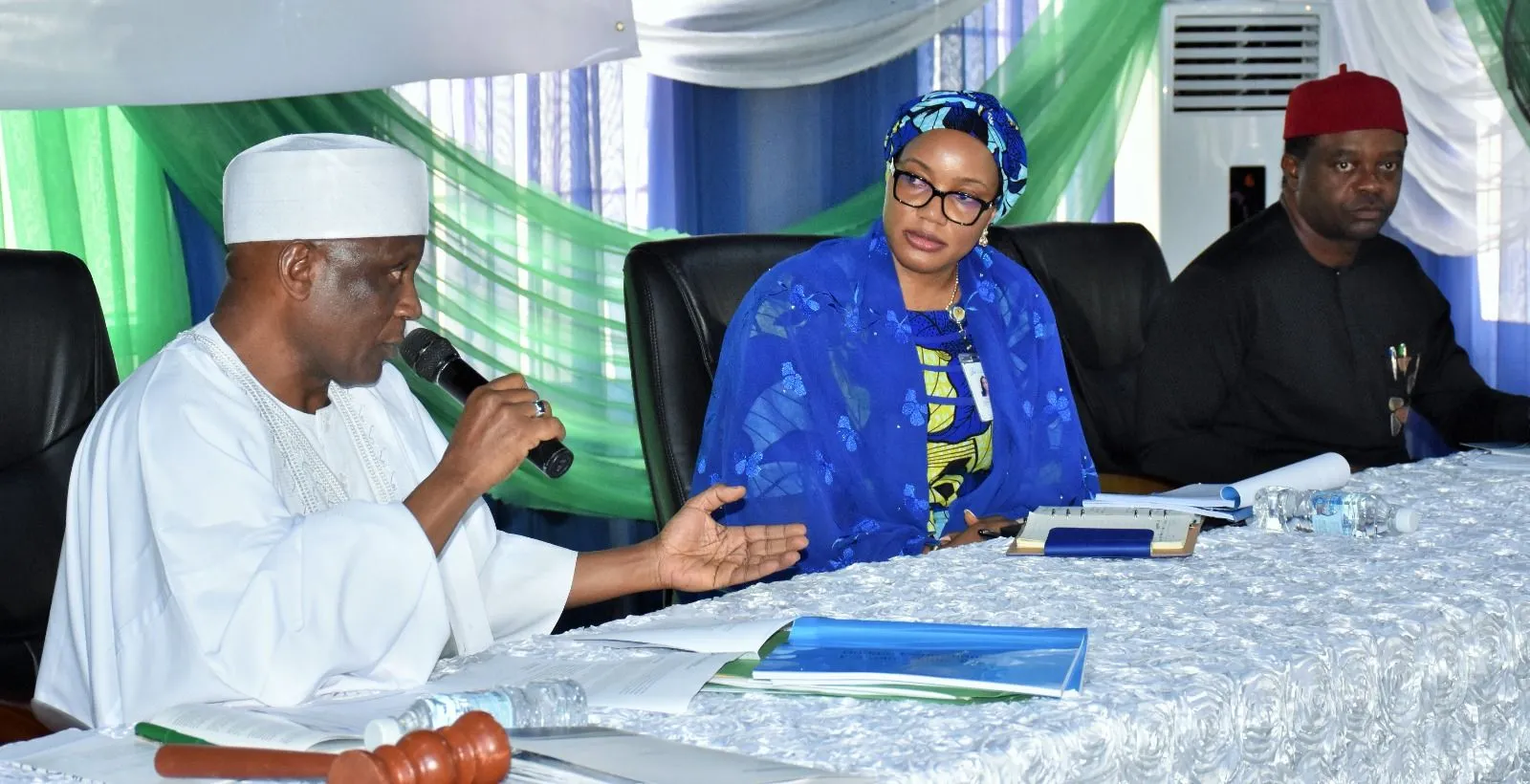
Executive Secretary Tolulope Odunaiya confirmed the approval in Abuja while receiving the House of Representatives Committee on Pensions during an oversight visit to PTAD Headquarters.
READ ALSO: PTAD Disburses ₦5.12bn in Pension Arrears to 90,689 Retirees
According to spokesperson Gbenga Ajayi, the visit allowed the Committee to review PTAD’s operations and budget performance for 2024 and the first half of 2025.
The delegation was led by Committee Chairman Honourable Jallo Hussaini Mohammed. During the visit, Odunaiya highlighted PTAD’s successes, including the implementation of the 20/28% pension increment in January 2024 and the full settlement of accrued arrears by September 2024.
She added that the continuous payment of arrears, including the N32,000, 10.66%, and 12.95% pension increments, is funded from available savings in the pension sub-head after monthly disbursements.
Odunaiya also reaffirmed PTAD’s commitment to DBS pensioners. She praised the National Assembly’s oversight role and asked for continued support to address ongoing challenges.
READ ALSO: Retired Military Pensioners Picket Finance Ministry Over Unpaid Benefits
In response, Chairman Jallo Hussaini Mohammed commended PTAD for improving pension payments and service delivery.
He added that the Committee will continue working closely with PTAD to ensure DBS pensioners’ welfare remains a national priority.

Esther Ososanya is an investigative journalist with Pinnacle Daily, reporting across health, business, environment, metro, Fct and crime. Known for her bold, empathetic storytelling, she uncovers hidden truths, challenges broken systems, and gives voice to overlooked Nigerians. Her work drives national conversations and demands accountability one powerful story at a time.