

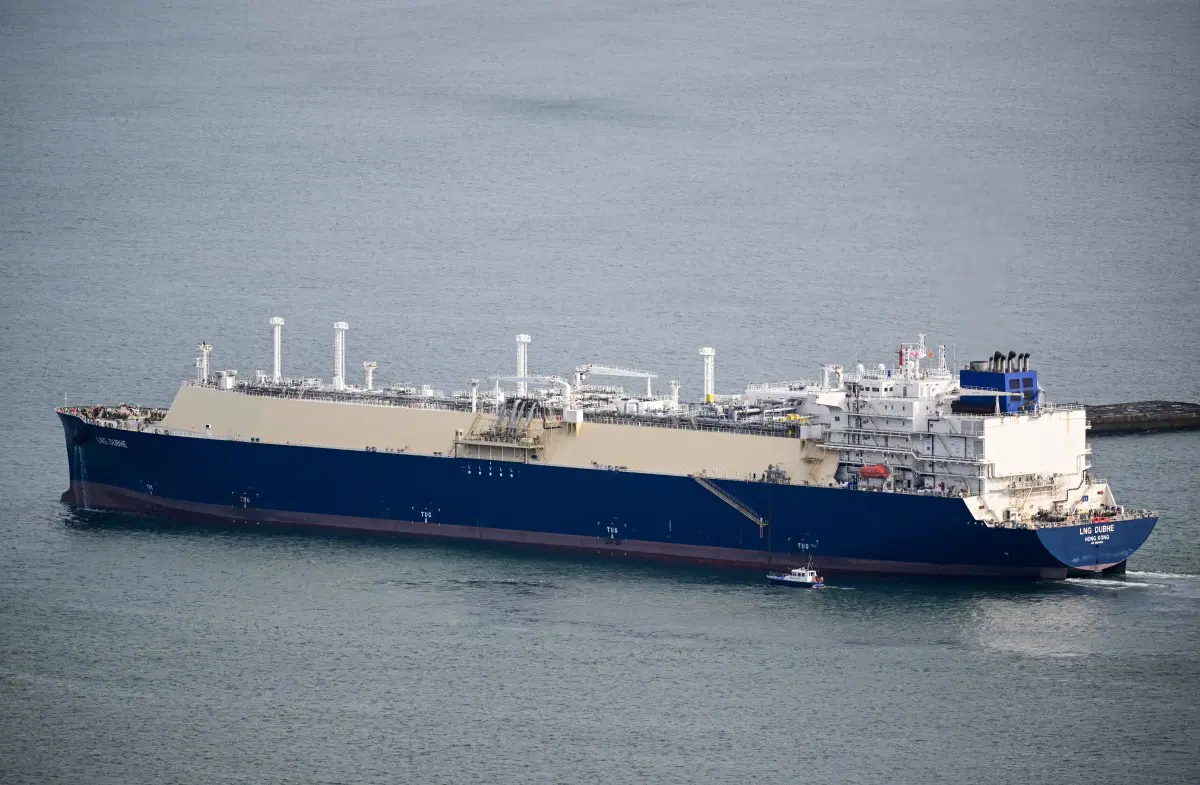
Nigeria’s supply of Liquefied Petroleum Gas (LPG), commonly known as cooking gas, declined by 8.5 per cent month-on-month to 4.7 metric tonnes per day in February 2026, down from 5.1 metric tonnes recorded in December 2025.
This is according to the latest factsheet released by the Nigerian Midstream and Downstream Petroleum Regulatory Authority (NMDPRA).
The report also showed a sharper drop in consumption, which fell by 20 per cent to 4,194 metric tonnes per day in February from 5,050 metric tonnes per day in January.
The decline comes amid rising global oil prices triggered by tensions in the Middle East, where disruptions to supply have pushed crude prices to about $84 per barrel.
The spike has filtered into Nigeria’s domestic market, driving up the cost of cooking gas across the country.
READ ALSO:
- Fresh Concerns as Cooking Gas Price Rises
- PENGASSAN Kicks Against Tinubu’s Executive Order on Direct Remittance of Oil Revenue
- Nigeria’s Tax Reforms Will Boost Capital Market, Promote Inclusive Economic Growth – Oyedele
- Fresh Turmoil at National Assembly as Police Fire Tear Gas at Protesters
Checks across gas outlets in Lagos indicate that LPG now sells between ₦1,050 and ₦1,300 per kilogramme, with some stations charging as high as ₦1,500 per kg.
NMDPRA data showed that the retail price range for LPG in February stood between ₦980 and ₦1,500 per kg, compared to ₦950 to ₦1,550 recorded in January.
Further analysis of the report revealed that total wholesale gas supply dropped slightly to 4.771 billion standard cubic feet (BSCF) per day in February, from 4.837 BSCF per day in January.
Similarly, average daily gas supply to the domestic market declined to 1.763 BSCF per day, compared to 1.906 BSCF recorded in the previous month.
The figures highlight growing pressure on Nigeria’s gas market, as global disruptions continue to impact local supply, pricing, and consumer demand.

Esther Ososanya is an investigative journalist with Pinnacle Daily, reporting across health, business, environment, metro, Fct and crime. Known for her bold, empathetic storytelling, she uncovers hidden truths, challenges broken systems, and gives voice to overlooked Nigerians. Her work drives national conversations and demands accountability one powerful story at a time.