

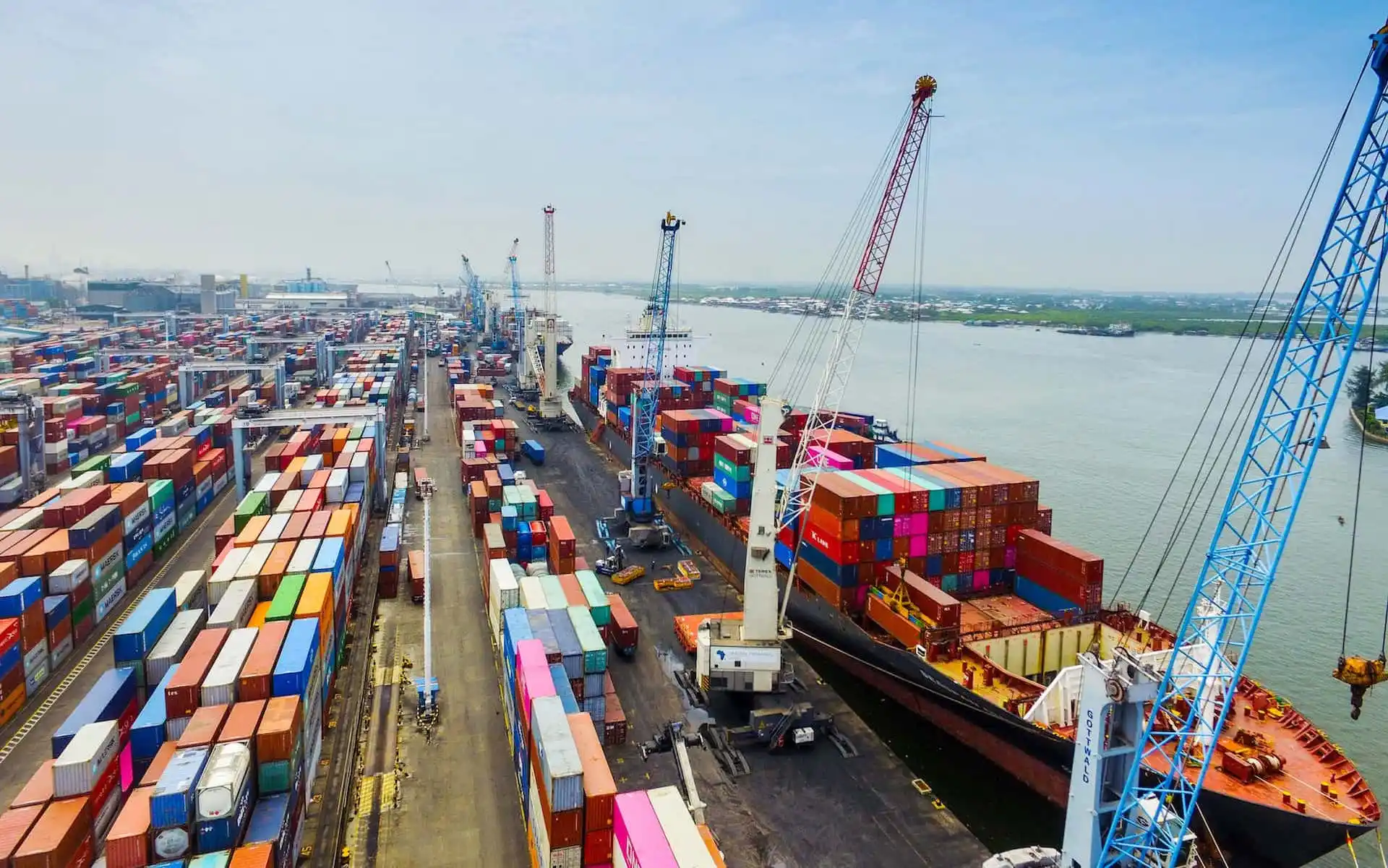
The Sea Empowerment & Research Center (SEREC) has warned that Nigeria’s maritime sector risks losing a significant share of cargo to neighbouring countries due to persistent inefficiencies at its ports.
In a policy advisory titled “Maritime Reform at a Crossroads: Data Signals, Export Concerns, and the Urgent Need for Execution Discipline,” SEREC reviewed trends from the first quarter of 2026 and raised concerns about rising structural weaknesses in port operations.
Although customs revenue is estimated to grow 12 to 18 percent, key operational indicators remain weak. The report showed that cargo dwell time exceeded 15 days, while vessel turnaround time ranged from 4 to 6 days.
SEREC also noted a decline in export performance, especially in the non-oil sector, which dropped by about 8 to 12 percent. It attributed the trend to delays in processing, poor terminal prioritisation, and logistics bottlenecks.
READ ALSO:
- How Nigeria Can Curb Deadly Foodborne Diseases, Save 200,000 Lives Annually — Expert
- A Season of Blood: How Nigeria’s Easter Celebration Transformed from Hope to Grief
- Nigeria Faces Triple Disease Burden, Health Ministry Warns
- Nigeria Ranks 23rd Country with Lowest Global Petrol Prices
The report warned that Nigeria’s export system is becoming increasingly import-heavy, a development that could weaken long-term trade balance and undermine diversification efforts, particularly in agro-exports.
It further identified ports in the Benin Republic and Togo as growing competitors, citing faster clearance processes, lower costs, and more efficient regulatory systems.
According to SEREC, ports along the Cotonou–Lomé corridor are already attracting Nigeria-bound cargo through improved transshipment systems and cross-border logistics networks.
The advisory estimated that if the current trend continues, between 15 and 25 percent of cargo destined for Nigeria could be diverted to neighbouring ports within the next 12 to 24 months.
SEREC warned that this shift could lead to revenue losses from customs duties, distort trade data, trigger job losses in the logistics sector, and weaken Nigeria’s maritime influence in the region.
It added that Nigeria risks moving from a regional maritime hub to a market that depends on external port systems if urgent reforms are not implemented.

Esther Ososanya is an investigative journalist with Pinnacle Daily, reporting across health, business, environment, metro, Fct and crime. Known for her bold, empathetic storytelling, she uncovers hidden truths, challenges broken systems, and gives voice to overlooked Nigerians. Her work drives national conversations and demands accountability one powerful story at a time.