

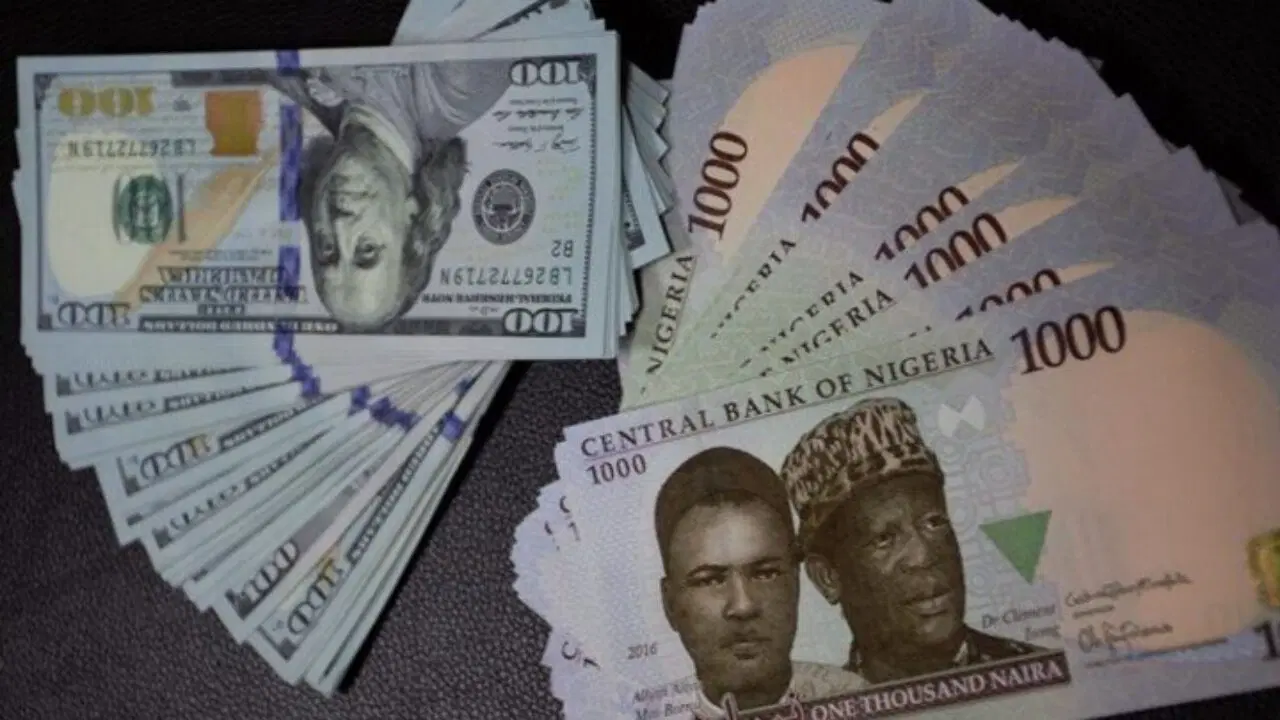
The Naira remained stable against the United States Dollar on March 31, 2026, closing the first quarter on a steady note despite pressures on Nigeria’s external reserves.
At the Nigerian Foreign Exchange Market, the Naira opened at ₦1,385.60 per Dollar and strengthened slightly to ₦1,383.37 by mid-morning. The movement reflects modest gains as the currency stabilises after recent volatility.
In the parallel market, the Dollar traded between ₦1,405 and ₦1,420. The gap between official and black market rates stayed narrow, at about ₦22 to ₦35. Analysts say this signals improved alignment between both markets.
Policy Support and Market Sentiment
The Central Bank of Nigeria has supported the market through its electronic FX system, which improves price transparency. New directives on remittances are also shaping expectations and reducing speculation.
Nigeria’s external reserves fell by about $547 million in two weeks, dropping to $49.48 billion. The decline reflects market interventions and debt obligations, even as other indicators show improvement.
READ ALSO:
- CBN Ends Dollar Payouts for Diaspora Remittances
- Naira Rebound Faces Fiscal Test, Group Says
- Naira Remains Stable Against Dollar as FX Market Opens Second Week of February
- Soft U.S. Dollar Set to Persist Amid Fed Independence Concerns
Inflation eased to 15.06%, marking the 11th consecutive monthly decline. At the same time, oil prices remain strong, with Bonny Light trading near $103.69 per barrel. This supports government revenue despite lower production levels.
Outlook for Q2 2026
As Nigeria enters the second quarter of 2026, the focus shifts to whether the current stability can be sustained in the face of declining gross reserves. Traders expect the Naira to continue trading in the ₦1,380 to ₦1,400 corridor in the near term, provided that autonomous inflows from the services and manufacturing sectors remain consistent with the current trends.

Esther Ososanya is an investigative journalist with Pinnacle Daily, reporting across health, business, environment, metro, Fct and crime. Known for her bold, empathetic storytelling, she uncovers hidden truths, challenges broken systems, and gives voice to overlooked Nigerians. Her work drives national conversations and demands accountability one powerful story at a time.