

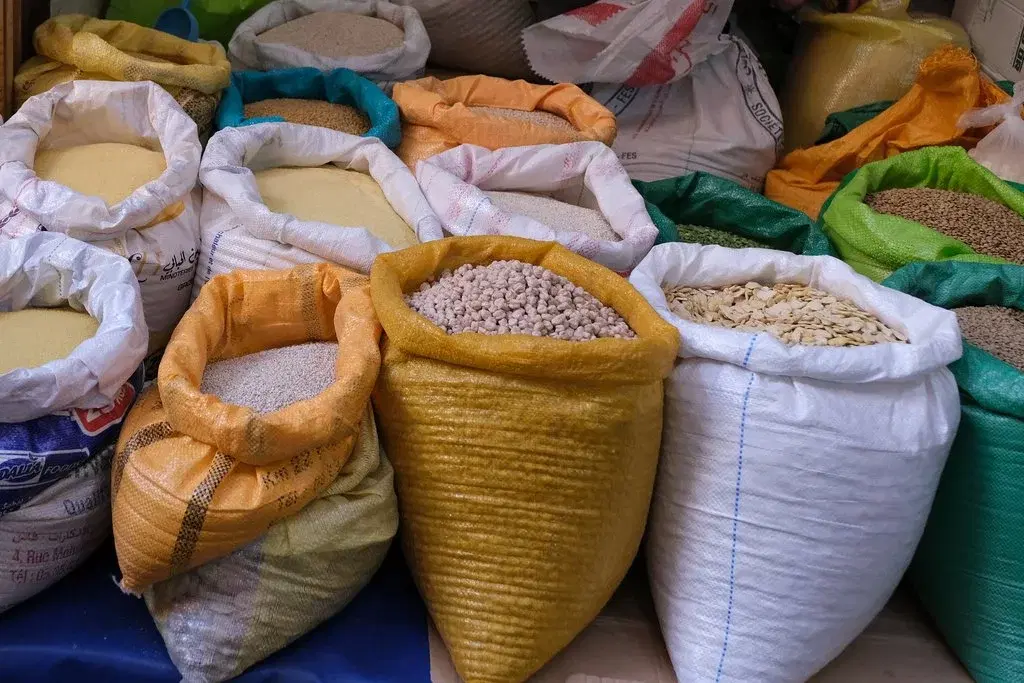
Food prices in Nigeria could decline by the next harvest season if governments at all levels strengthen security and take deliberate steps to reduce production costs for farmers, the All Farmers Association of Nigeria (AFAN) has said.
Speaking on Tuesday in Lagos, the Deputy Chairman of AFAN, Lagos State Chapter, Mr Shakin Agbayewa, explained that the trajectory of staple food prices—rice, yam, cassava and garri—will largely depend on how safely farmers are able to cultivate and how affordable production inputs become in the months ahead.
He noted that the current spike in food inflation is not accidental but driven by a combination of structural pressures on farming activities.
According to him, insecurity across farming communities alongside the rising cost of fertiliser, fuel-dependent mechanised farming, and expensive logistics continues to push production costs higher, with direct impact on market prices.
Rising Costs Transferred to Consumers
“The government must be intentional. Input costs are high. Fertiliser is expensive, while tractor operations cost more because of rising fuel prices. All these affect production,” Agbayewa said.
He explained that these rising costs do not remain at the farm level but are transmitted through the entire food supply chain, eventually burdening consumers in urban and rural markets alike.
READ ALSO:
- How Nigeria Can Curb Deadly Foodborne Diseases, Save 200,000 Lives Annually — Expert
- How Middle East War is Deepening Nigeria’s Food Crisis
- Global Coffee Prices Plunge After Trump Removes Tariffs on Brazilian Imports
- Rising Costs Put Inflation Gains at Risk — CPPE Warns
Agbayewa stressed that meaningful price relief in the food sector will only occur if farmers are supported with subsidised inputs, improved rural infrastructure such as access roads, irrigation systems, and affordable financing mechanisms that reduce dependence on costly informal credit.
He also called for stronger engagement between government institutions and farmers’ associations, arguing that policy solutions must reflect state-specific agricultural realities rather than a one-size-fits-all approach.
Hope Hinged on Next Farming Cycle
Looking ahead, he expressed optimism that increased agricultural output in the next farming cycle could help stabilise and potentially reduce market prices, provided enabling conditions are put in place early.
Nigeria, he noted, possesses both sufficient arable land and a large farming population capable of achieving food self-sufficiency, but only if policy implementation becomes more consistent and targeted.
He concluded that sustained investment in agriculture remains the most reliable pathway to long-term food affordability and broader economic stability.

Esther Ososanya is an investigative journalist with Pinnacle Daily, reporting across health, business, environment, metro, Fct and crime. Known for her bold, empathetic storytelling, she uncovers hidden truths, challenges broken systems, and gives voice to overlooked Nigerians. Her work drives national conversations and demands accountability one powerful story at a time.