

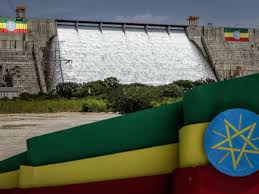
Ethiopia on Tuesday inaugurated the Grand Renaissance Dam, Africa’s largest hydroelectric project, aimed at boosting its economy, ending frequent blackouts, and supporting the growth of electric vehicles. The country has already banned the importation of gasoline-powered vehicles.
As waters from the reservoir powered the turbines, Ethiopians dressed in colourful regalia gathered in Addis Ababa to watch the ceremony on large screens. They celebrated with dancing and traditional music.
The $5 billion dam, built on a tributary of the River Nile near Sudan, is expected to generate more than 5,000 megawatts and double Ethiopia’s electricity capacity, officials said.
Prime Minister Abiy Ahmed hailed the project as a “big achievement”, saying it proves what Africans can accomplish.
READ ALSO: Africa’s Top IMF Debtors: Nigeria Missing in Action
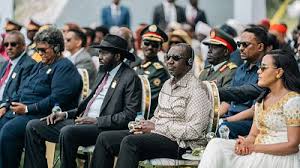
Dozens of African heads of state attended the inauguration. Many signalled interest in importing power from Ethiopia.
South Sudan’s President Salva Kiir said his government would soon sign an agreement to purchase electricity from the dam to support hospitals and schools.
Kenyan President William Ruto, whose country already imports Ethiopian power, said Kenya plans to expand its power purchasing deal. He described the dam as a “pan-African statement” that fits into the African Union’s vision of continental energy connectivity.
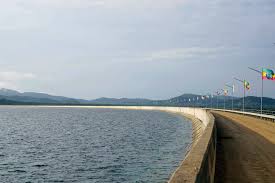
The project has sparked controversy in the region. Egypt, which depends almost entirely on the Nile for water, fears the dam will reduce downstream flows vital for its agriculture and population of over 100 million.
READ ALSO: Rwanda to Build African Future City
Prime Minister Abiy sought to reassure Egypt and Sudan, saying Ethiopia has no intention of harming its neighbours. “The hunger of our brothers in Egypt, in Sudan, or anywhere else is also our hunger,” he said. “We must share and grow together.”

Esther Ososanya is an investigative journalist with Pinnacle Daily, reporting across health, business, environment, metro, Fct and crime. Known for her bold, empathetic storytelling, she uncovers hidden truths, challenges broken systems, and gives voice to overlooked Nigerians. Her work drives national conversations and demands accountability one powerful story at a time.