

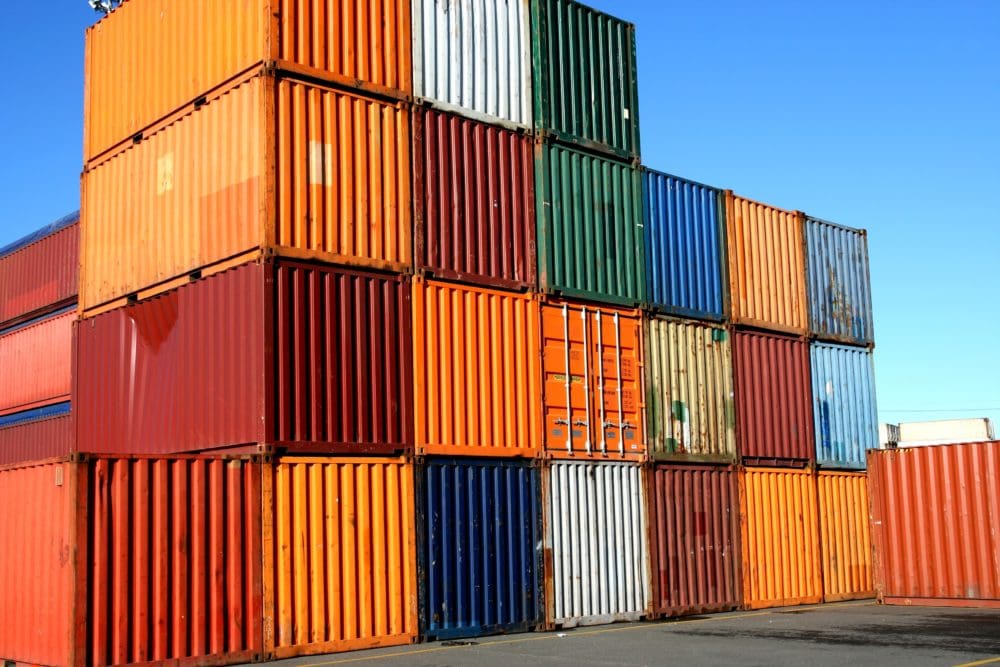
A structured cargo consolidation ecosystem could generate tens of thousands of direct jobs across Nigeria’s maritime and aviation sectors, the Sea Empowerment and Research Centre (SEREC) has said. Indirect employment in trucking, cold-chain logistics, ICT, insurance, and finance could be two to three times higher.
The centre highlighted roles such as freight planners, load controllers, cargo analysts, warehouse operators, and customs compliance officers as the backbone of new logistics employment clusters around ports and airports. SEREC described cargo consolidation as a trade and jobs strategy under the African Continental Free Trade Area (AfCFTA).
In a position paper signed by Head of Research Eugene Nweke, SEREC urged the Ministers of Marine & Blue Economy and Aviation & Aerospace Development to adopt cargo-first logistics reforms. The white paper, also submitted to the Presidency, called for national cargo consolidation hubs and incentives for indigenous airlines to operate dedicated freight services.
AfCFTA Trade Momentum
Nigeria’s intra-African trade surged over 127 per cent, from $8.1 billion in 2023 to $18.43 billion in 2024, accounting for 8.3 per cent of total intra-African trade. Exports to African markets grew 14 per cent in the first half of 2025 to approximately ₦4.82 trillion ($3.3 billion).
Despite these gains, SEREC warned that Nigeria lacks the logistics infrastructure to convert trade growth into competitiveness.
“Trade agreements do not move cargo; logistics systems do,” the group said, citing weaknesses in road haulage, port evacuation, inland connectivity, and cargo aggregation.
READ ALSO:
- Bank of Canada Expected to Hold Rates Amid Trade Uncertainty
- WEF 2026: How Trump’s Trade Tariffs are Forcing New Global Alliances
- Nigeria Unveils Fibre Optic Plant to Strengthen AfCFTA Competitiveness
- Nigeria’s Exports to Africa Rise 14% to N4.82trn in H1 2025
Cargo consolidation, grouping smaller shipments into cost-efficient freight units, remains largely ad hoc in Nigeria. SMEs, agricultural producers, and light manufacturers dominate AfCFTA trade, yet they face higher per-unit freight costs, irregular sailings, and indirect routing through foreign hubs.
SEREC noted that Nigeria produces cargo but exports the logistics value chain. While maritime throughput grew 45 per cent from 71.2 million metric tonnes in 2023 to 103.3 million in 2024, evacuation bottlenecks and weak hinterland links limited efficiency gains.
Air transport remains underutilised, carrying just 0.38 per cent of exports by value (~$45 million). The air freight market, projected to reach $11.82 billion by 2031, represents a missed opportunity due to the lack of structured air cargo consolidation and dedicated infrastructure.
Proposed Reforms
SEREC proposed several reforms, including the establishment of national air cargo airports, the development of sea–air and air–sea corridors, the creation of bonded multimodal routes, and the formation of a National Multimodal Logistics Council to harmonise aviation, maritime, trade, and customs policies.
The centre said each consolidation hub could function as a logistics employment cluster, stimulating commercial activity around ports and airports.
“Cargo consolidation is not merely a logistics practice but a national economic instrument. Without it, Nigeria risks remaining a passive AfCFTA participant,” SEREC warned.
SEREC emphasised that cargo consolidation offers both trade competitiveness and job creation, positioning Nigeria as a continental trade and logistics anchor. The centre urged swift policy action to retain logistics value, lock in jobs, and secure Africa-wide trade gains.

Esther Ososanya is an investigative journalist with Pinnacle Daily, reporting across health, business, environment, metro, Fct and crime. Known for her bold, empathetic storytelling, she uncovers hidden truths, challenges broken systems, and gives voice to overlooked Nigerians. Her work drives national conversations and demands accountability one powerful story at a time.