


Abuja residents are reeling under the weight of yet another energy crisis, this time, a sharp hike in both fuel and cooking gas prices that has left filling stations deserted, homes dark, and businesses struggling to survive.
Over the past week, the cost of cooking gas in the FCT has surged from around ₦1,020 per kilogramme to between ₦1,500 and ₦1,680, depending on the outlet. Only a few registered stations like NIPCO still sell at relatively lower prices, ₦1,120 per kilogramme, but even that, residents say, is barely affordable.
Meanwhile, petrol stations are telling a similar story. At NNPC, the price per litre stands at ₦905, while Conoil sells at ₦915, though the price briefly dropped to ₦890 before the product ran out entirely. Others have simply shut their gates, citing a lack of supply.
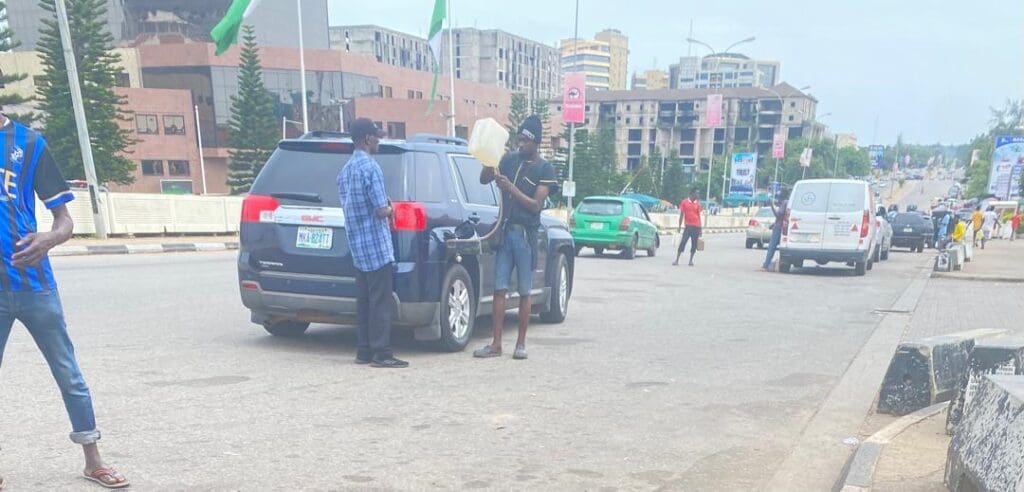
In the chaos, the black market is thriving, with some roadside sellers now offering fuel for as high as ₦1,300 per litre.
When Pinnacle Daily visited parts of Lugbe, Wuse, Garki, and Nyanya, long queues were visible at the few operating stations, while others stood idle with “No Fuel” signs.
READ ALSO: FG Cuts Oil Sector Signature Bonus by 90% to $10m, Boost Investor Confidence
At the NIPCO station along Lugbe–Airport Road, manager Ahmed Mohammed explained that the situation stems from a critical imbalance in demand and supply.
“What is causing this increase in price is simple,” he said. “The demand is high, and the supply is low, so automatically, the price will shoot up. Once supply improves, prices will crash again. It’s the same situation for both fuel and gas.”
He said the recent interruptions in fuel distribution caused temporary shortages but noted that “operations have resumed fully” and expressed hope that “things will soon normalise.”
But many residents and business owners feel normalisation is still far away.
For Amaka Ani, a professional chef and baker in Garki, the gas hike has become a nightmare threatening her livelihood.
“I’m a chef, and I bake soup and cakes.” The hike in gas prices is quite alarming; it’s affecting our sales, and customers are already complaining,” she told Pinnacle Daily.
“We used to buy gas for ₦1,015 or ₦1,080 at most, but now it’s ₦1,500. The least price now is ₦1,120, and that’s only at a few stations. Others sell ₦1,500 or ₦1,680, especially those small outlets that refill cylinders at home.”
“For bakers like us, gas gives better texture than charcoal. Charcoal ovens are supposed to be backups, not the main thing. You can’t regulate heat with charcoal, and it spoils the cake. It’s heartbreaking to live in your country and suffer like this.”
READ ALSO: FCCPC Withdraws Case Against MultiChoice Nigeria After Settlement
She warned that with the festive season approaching, “if this continues, there will be serious problems,” adding that “the cost of living is already high now gas is out of reach.”
Emmanuel Daniel, a resident of Karu, shares similar frustrations.
“It’s not funny at all. Before, we bought gas at ₦1,000, but now it’s far higher. Because of this crisis between the gas suppliers and Dangote, scarcity set in and prices shot up,” he said.
“In my area, many people have gone back to charcoal because they can’t afford gas anymore. The government needs to come to the aid of Nigerians and reduce the cost of living. Those who use gas for business are badly hit.”
Behind the Crisis: The Dangote–PENGASSAN Rift
The current turmoil is traced to the ongoing dispute between the Petroleum and Natural Gas Senior Staff Association of Nigeria (PENGASSAN) and the Dangote Petroleum Refinery.
In September, PENGASSAN accused the refinery of unfair labour practices following the alleged dismissal of hundreds of unionised workers.
The union responded by directing its members to suspend gas and crude oil supply to Dangote’s facility, leading to widespread disruption in the domestic supply chain.
The Dangote Refinery, which had become a key distributor of LPG (cooking gas) to Nigerian markets, suddenly halted output. Within days, depot owners and independent marketers began reporting scarcity, and prices skyrocketed.
Black Market Booms Amid Pain
As legitimate stations struggle with limited allocations, black market sellers are cashing in. When Pinnacle Daily spoke with one roadside seller in the Business Area District, FCT, he admitted that they sell “based on how we buy”.
“We buy at ₦910 or ₦920 per litre from some stations. We sell for ₦1,300 depending on the demand,” he said.
He shrugged when asked about legality, saying, “People are desperate; they don’t care anymore as long as they get fuel.”
On Monday, Vice President Kashim Shettima urged restraint and dialogue between PENGASSAN and the Dangote Refinery, warning that no group should hold Nigeria’s economy hostage.
Speaking at the 31st Nigerian Economic Summit in Abuja on behalf of President Bola Tinubu, Shettima said industrial disputes must be settled in the national interest.
“Nigeria is greater than PENGASSAN,” he said, describing Aliko Dangote as “an institution vital to the nation’s energy security.”
READ ALSO: Dangote Is an Institution; How We Treat Him Reflects Nigeria’s Values – Shettima
Another Abuja resident, Sarah Langyi, warned that if supply does not improve soon, Nigerians could face a harsher festive season as fuel and gas costs push up food prices and transport fares.
“Every energy crisis in Nigeria quickly becomes a cost-of-living crisis,” she said. “This isn’t just about gas or fuel; it’s about affordability and trust in the system.”
For now, Abuja’s residents remain on edge, hoping that the promised normalisation comes before the next refill.
“Gas gives you the perfect bake. Charcoal is just a backup; now it’s becoming the only option.” — Amaka Ani, Abuja Chef
Current Prices in Abuja (as of October 2025)
| Product | Station | Price |
|---|---|---|
| Fuel (PMS) | NNPC | ₦905/L |
| Conoil | ₦915/L (₦890 when supply ended) | |
| NIPCO | ₦920/L | |
| Black Market | ₦1,300/L | |
| Cooking Gas (LPG) | NIPCO | ₦1,120/kg |
| Independent Outlets | ₦1,500–₦1,680/kg |
For now, Abuja residents can only hope the standoff ends soon and supplies improve. Until then, every refill, whether for fuel or gas, remains a struggle in a city running on patience and prayer.

Esther Ososanya is an investigative journalist with Pinnacle Daily, reporting across health, business, environment, metro, Fct and crime. Known for her bold, empathetic storytelling, she uncovers hidden truths, challenges broken systems, and gives voice to overlooked Nigerians. Her work drives national conversations and demands accountability one powerful story at a time.