

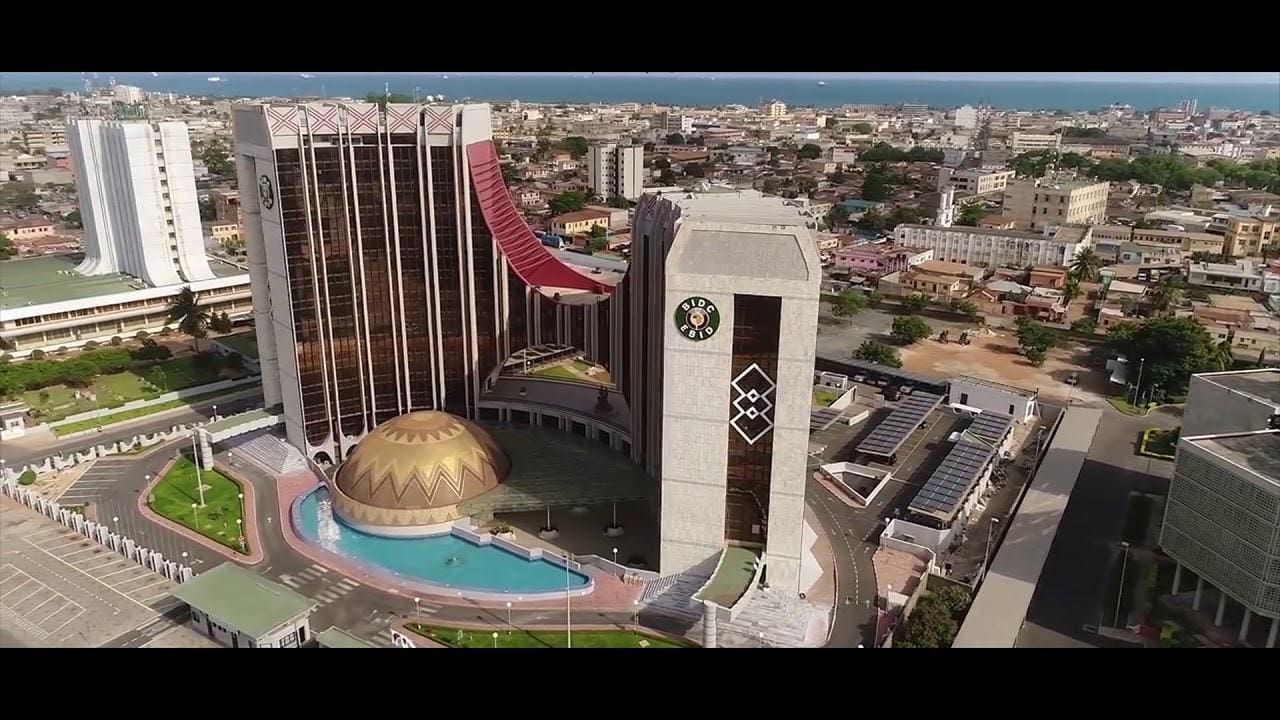
In a landmark move to promote sustainable growth across West Africa, the ECOWAS Bank for Investment and Development (EBID) has approved a total financing of ₦462,946,500,000 (approximately ₦462.9 billion) or USD 308.631 million during its 93rd Ordinary Session held at the Bank’s headquarters in Lomé, Togo.
Taraba state in north-eastern Nigeria, got a total of ₦402,870,000,000 (approximately ₦402.87 billion) or approximately USD 268.6 million in total approval for three projects across the state.
This approval, chaired by Dr George Agyekum Donkor, President and Chairman of the Board of Directors, is set to catalyse key investments in clean energy, industrial development, and sustainable economic growth across the region.
The ECOWAS Bank for Investment and Development (EBID), the Development Finance Institution of the Economic Community of West African States (ECOWAS) based in Lomé, Togo, plays a central role in financing development projects and programmes across the ECOWAS region, covering a wide range of sectors including infrastructure, basic amenities, rural development, and social services.
READ ALSO: ECOWAS Bank Approves 153Bn for Lagos-Calabar Coastal Highway
EBID’s interventions, which include loans, equity participation, lines of credit, and financial engineering operations, continue to strengthen regional integration and foster sustainable development.
Dr. Donkor emphasised that these strategic investments are in line with EBID’s mission to advance sustainable development throughout the ECOWAS region by strengthening regional integration and fostering economic diversification. He stated, “These investments will support both public and private sector initiatives aimed at advancing our mandate of promoting inclusive growth and addressing key regional challenges.”
Key Investments for Regional Growth
The approved financing will fund several high-impact projects across Nigeria and Guinea, aiming to improve energy access, promote industrialisation, and enhance food security:
-
Vista Bank Guinea: N60 billion (USD 40 Million)
A USD 40 million line of credit has been approved for Vista Bank Guinea to boost trade-related activities in the region. This funding will support import-export operations and commercial value chains, benefiting approximately 105 enterprises. The initiative is expected to create thousands of direct and indirect jobs, contributing significantly to the region’s economic growth and reduction of unemployment. -
50 MW Solar Photovoltaic Power Plant in Taraba State, Nigeria: N147.3 billion (USD 98.18 Million)
A USD 98.18 million investment will be directed towards the construction of a 50 MW solar photovoltaic power plant in Taraba State, Nigeria. This initiative aims to enhance energy access for 390,000 individuals, provide reliable electricity to 200 public institutions, and create 400 direct jobs during construction, with approximately 1,200–1,500 indirect jobs across supply chains and maintenance services. This project supports Nigeria’s efforts to address energy poverty and improve environmental sustainability. -
Modern Rice Processing Complex and Irrigated Rice Production in Taraba State, Nigeria: N118.8 billion (USD 79.219 Million)
A USD 79.219 million allocation will fund the development of a modern rice processing complex and a 10,000-hectare irrigated rice production unit in Taraba State. This initiative is expected to boost food production, improve food processing efficiency, and significantly contribute to Nigeria’s food self-sufficiency. It will also invigorate the agricultural sector, providing economic upliftment for the region. -
Taraba State Industrial Park: N136.8 billion (USD 91.232 Million)
A further USD 91.232 million will go towards the development of the Taraba State Industrial Park, aimed at accelerating local industrialisation and diversifying the economy. The industrial park will serve as a modern, integrated industrial ecosystem, facilitating the growth of local industries, creating job opportunities, and boosting regional economic resilience.
READ ALSO:
- Ministry, ECOWAS Celebrate 2025 World Environment Day
- Energy Sufficiency: Can Solar Solve Nigeria’s Decades-long Power Crisis?
- Middle East Tensions: Concerns as Fuel Prices Rise in Nigeria After Oil Price Surge
These investments are closely aligned with several United Nations Sustainable Development Goals (SDGs), including SDG 2: Zero Hunger, through the support of agricultural initiatives, particularly in food production and processing.
SDG 7: Affordable and Clean Energy, By facilitating the construction of clean energy infrastructure, such as the solar plant in Taraba State.
SDG 8: Decent Work and Economic Growth: By creating direct and indirect job opportunities across various sectors.
SDG 9: Industry, Innovation, and Infrastructure, through investments in infrastructure and industrial parks.
SDG 13: Climate Action, through environmentally sustainable initiatives like the solar power project.
Dr Donkor further reaffirmed EBID’s commitment to advancing these goals across the ECOWAS region. “These projects are a critical step in ensuring economic diversification and inclusive growth in West Africa. They will not only create jobs and improve living standards but also contribute to the long-term sustainability of our economies.”
Sunday Michael Ogwu is a Nigerian journalist and editor of Pinnacle Daily. He is known for his work in business and economic reporting. He has held editorial roles in prominent Nigerian media outlets, where he has focused on economic policy, financial markets, and developmental issues affecting Nigeria and Africa more broadly.