
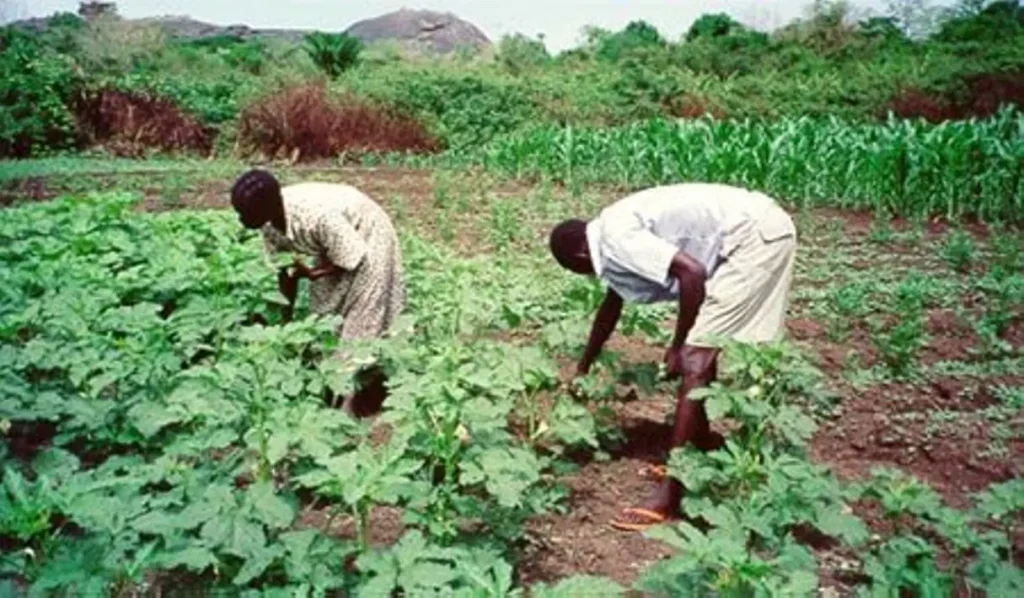
The Federal Government has launched a project to include 14 million smallholder farmers in the cassava bioethanol value chain. The aim is to cut fuel import costs and strengthen Nigeria’s bioeconomy.
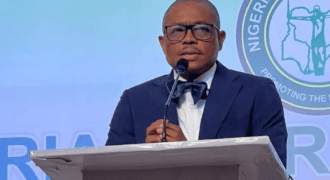
Minister of Budget and Economic Planning, Senator Abubakar Atiku Bagudu, announced the project in a statement signed by the ministry’s Director of Information and Public Relations, Mrs Osagie Jacobs. Bagudu spoke at a two-day stakeholder workshop for the South East zone held last week in Enugu.
The project links farmers directly to industrial production. It connects agriculture to energy transition, rural development, and local value addition. Represented by the Director of Economic Growth, Mr Auwal Mohammed, Bagudu said blending bioethanol with premium motor spirit could save Nigeria over N3 trillion a year in foreign exchange by reducing imported fuel.
READ ALSO:
- FG to DisCos: Meter Installation is Free, Warns against Extortion of Consumers
- FG Disburses ₦152bn to Verified Local Contractors, Pledges More
- FG, ASUU Reach Agreement on 40% Salary Increase, Enhanced Allowances
- FG Hires US Lobbying Firm for $9M to Promote Christian Protection Efforts
He added that the project will position cassava as a key industrial crop, create jobs, raise rural incomes, and expand local production in renewable energy. “We are focusing on the entire value chain, from high-quality stems and starch to CO₂ captured during fermentation and feeds from distillery grains,” Bagudu said.
The minister explained that the project will run through a Triple-Helix knowledge transfer partnership. It will provide high-yield, disease-resistant cassava varieties, attract investment, expand technology and market access, and improve infrastructure.
Mr Olaifa Alade, Director of Agriculture at the Economic Growth Department, said the workshop will prepare stakeholders to implement the cassava bioethanol project effectively.

Esther Ososanya is an investigative journalist with Pinnacle Daily, reporting across health, business, environment, metro, Fct and crime. Known for her bold, empathetic storytelling, she uncovers hidden truths, challenges broken systems, and gives voice to overlooked Nigerians. Her work drives national conversations and demands accountability one powerful story at a time.