

The Inter-Governmental Action Group against Money Laundering in West Africa (GIABA) has cautioned Nigeria and other countries recently removed from the Financial Action Task Force (FATF) grey list against complacency, urging them to sustain their reforms and strengthen anti-money laundering and counter-terrorist financing frameworks.
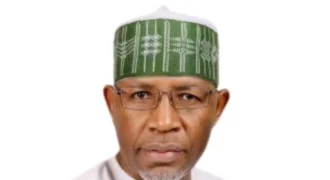
GIABA Director General, Mr Edwin W. Harris Jr, gave the warning on Tuesday in Accra, Ghana, during his welcome address at the 2025 FATF/GIABA Joint Experts Meeting (JEM).
Harris commended Nigeria, Burkina Faso, South Africa, and Mozambique for the progress that led to their removal from the FATF list of jurisdictions under increased monitoring, describing the milestone as a significant achievement for Africa’s financial integrity.
“This achievement reflects the sustained commitment, technical rigour, and high-level political will demonstrated by all the countries in addressing strategic deficiencies in their AML/CFT frameworks,” Harris said. “However, the journey toward sustained compliance is not linear. It requires vigilance, adaptability, and a shared resolve to uphold the integrity of our financial systems in the face of evolving threats.”
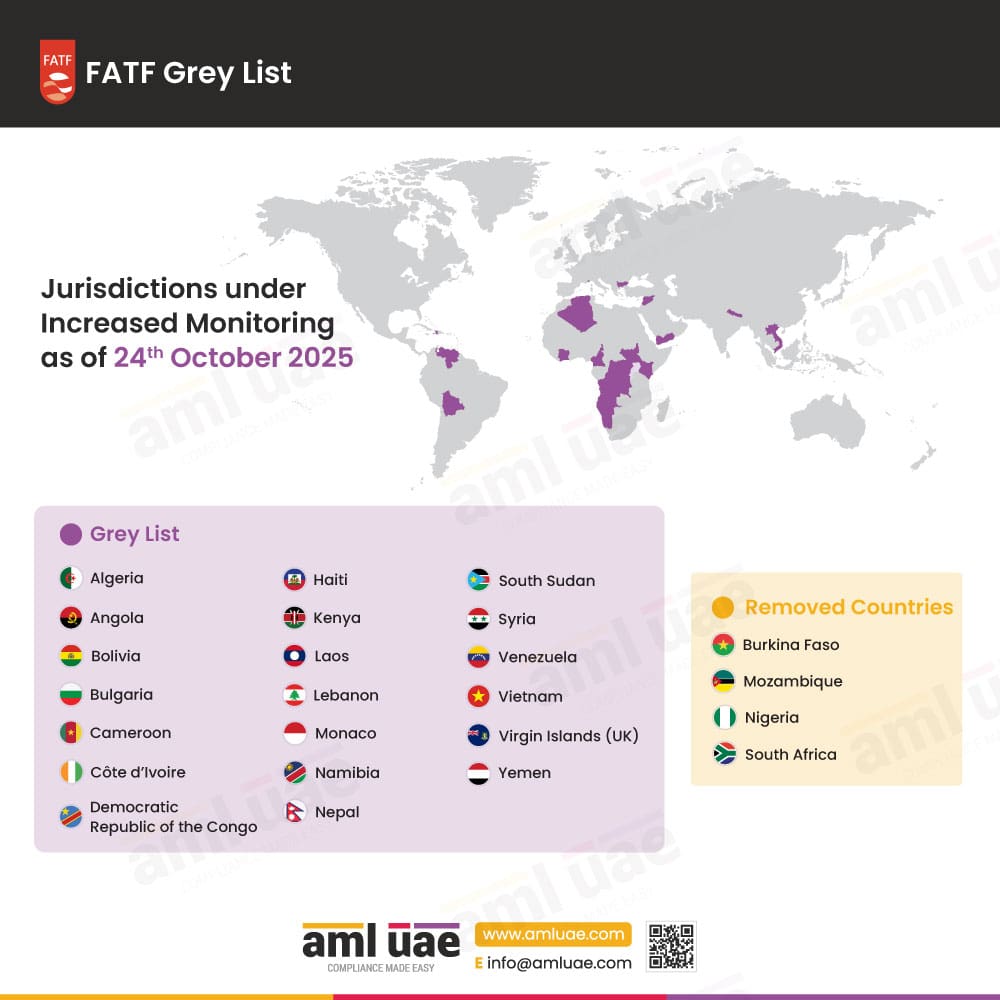
He emphasised that the delisting of Nigeria and Burkina Faso, who are both GIABA member states, should not be seen as the conclusion of the process but as a new beginning requiring continued reform and cooperation.
“Complacency is not an option,” he added. “We must continue to build on the momentum achieved, ensuring that the reforms are institutionalised and sustainable.”
GIABA Begins Third Round of mutual evaluations
Harris also disclosed that GIABA has commenced its third round of mutual evaluations, with Ghana set to be the first member state to undergo the exercise.
He urged the Ghanaian government and other ECOWAS member states to provide full support to the process, which he described as nationally driven and dependent on inter-agency collaboration and political leadership.
According to him, the delisting of the four countries during the recent FATF Plenary demonstrates growing regional cooperation and maturity in tackling financial crimes.
READ ALSO: FATF Delisting Will Boost Investor Confidence in Nigeria’s Capital Market – SEC
He said the development is expected to enhance investor confidence, improve correspondent banking relationships, and project a stronger image of Africa’s financial systems globally.
The 2025 FATF/GIABA Joint Experts Meeting, hosted by Ghana, focuses on Trade-Based Financial Crime (TBFC) and Terrorist Financing (TF). The forum brings together representatives from FATF, GIABA member states, law enforcement agencies, and international partners to share experiences and develop practical strategies for addressing emerging threats.
In his opening remarks, the FATF President commended the Government of Ghana and GIABA for hosting the meeting, describing it as “a historic moment” and the first Joint Experts Meeting to take place in West Africa.
“The threats we face globally are serious and ever-evolving,” the FATF President said. “Terrorist financing continues to destabilise communities and undermine peace and security, while trade-based financial crimes erode trust in financial systems and divert resources away from development.”
He emphasised the need for greater international and regional collaboration to address these threats, citing the partnership between FATF and GIABA as a model of effective cooperation.
“We are here to listen, to learn, and to work with you,” he added. “Together, we can disrupt the financial flows that sustain criminal and terrorist groups, protect legitimate finance, and build a secure global financial system.”
Harris reaffirmed GIABA’s commitment to assisting member states through technical support, policy coordination, and capacity building to consolidate recent gains and sustain progress in the fight against financial crimes.

Rafiyat Sadiq is a political, justice, and human rights reporter with Pinnacle Daily, known for fearless reporting and impactful storytelling. At Pinnacle Daily, she brings clarity and depth to issues shaping governance, democracy, and the protection of citizens’ rights.