
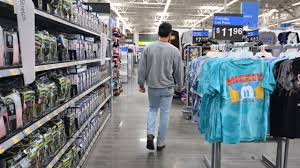
America’s small businesses are bracing for a rough patch. According to new data released by the National Federation of Independent Business (NFIB), confidence among U.S. small business owners fell sharply in September, as inflation worries, tariff pressures, and growing policy uncertainty weighed heavily on Main Street.
The NFIB Small Business Optimism Index dropped 2.0 points to 98.8, marking the first decline in three months. Behind that number lies a deepening sense of unease about rising costs, weaker sales, and what many describe as a “confusing economic environment” under shifting federal policies.
The NFIB report paints a worrying picture of small business sentiment a critical bellwether for the broader U.S. economy, which relies heavily on small enterprises for employment and innovation.
Its Uncertainty Index surged seven points to 100, the fourth-highest reading in more than 51 years, showing that small business owners are unsure where the economy is headed next.
“Uncertainty is very high. The administration has a lot of policy changes still in the air lots of moving parts,” said Bill Dunkelberg, NFIB’s Chief Economist. “Growth in the economy remains solid, but perhaps driven more by AI-related investments than by spending that impacts Main Street firms.”
READ ALSO: ‘Country of Particular Concern’, Reps Reject US Senate Claims
One major factor fueling that uncertainty is the return of trade tensions. President Donald Trump’s latest threat to impose 100 per cent duties on Chinese imports has rattled small manufacturers and retailers who depend on imported inputs to stay competitive.
Business owners surveyed by the NFIB complained about soaring beef prices, higher health insurance costs, and tax pressures all worsened by tariffs that make imported goods more expensive.
The NFIB found that 14 per cent of owners now rank inflation as their single most important problem up three points from August.
The share of owners raising average selling prices also climbed to 24 per cent, while 31 per cent said they plan to raise prices in the next three months. Those price hikes, economists warn, could further fan inflation in the months ahead.
A Two-Speed Economy Emerging
What’s perhaps most striking in the NFIB report is how uneven economic growth appears.
While Wall Street continues to break records and large corporations ride on AI and tech investments, many small businesses are struggling to keep up.
“Solid consumption spending appears to be from the top third of the income distribution,” Dunkelberg noted. “The stock market keeps setting new record highs, producing capital gains income for shareholders but that doesn’t help small firms trying to survive on Main Street.”
As a result, many owners are reporting declining sales, rising inventories, and fewer customer orders signs that consumer confidence among ordinary Americans may be weakening.
Adding to the uncertainty, the ongoing government shutdown, now entering its third week, has halted the publication of key official economic reports, including the September jobs data.
That means policymakers and investors are increasingly relying on private sector surveys like the NFIB’s to gauge the health of the economy.
However, the September Consumer Price Index (CPI) will still be released next week, an essential update that will guide the Social Security Administration’s cost-of-living adjustment for 2026. Economists say it could also shape expectations for the Federal Reserve’s next interest rate move.
READ ALSO: Fed Likely to Cut Rates in September As Inflation Eases
For now, the message from small business America is clear: the storm clouds are gathering.
Inflation remains sticky, tariffs threaten to push costs even higher, and uncertainty from Washington to Wall Street continues to shake confidence.
If small businesses are indeed the backbone of the American economy, the NFIB’s latest data is a warning shot one that policymakers may not be able to ignore for long.
“Growth may be solid, but it’s not reaching Main Street. AI and market gains don’t pay the bills for small firms facing higher costs and falling sales.” — Bill Dunkelberg, NFIB Chief Economist.

Esther Ososanya is an investigative journalist with Pinnacle Daily, reporting across health, business, environment, metro, Fct and crime. Known for her bold, empathetic storytelling, she uncovers hidden truths, challenges broken systems, and gives voice to overlooked Nigerians. Her work drives national conversations and demands accountability one powerful story at a time.