
The Nigerian Electricity Regulatory Commission (NERC) has reported a sharp drop in revenue remittance by electricity distribution companies (DisCos) in the second quarter (Q2) of 2025, signalling renewed financial strain in Nigeria’s power sector. According to the latest NERC Q2 2025 Quarterly Report, DisCos collectively remitted ₦399.20 billion to the electricity market — a 27.9 …
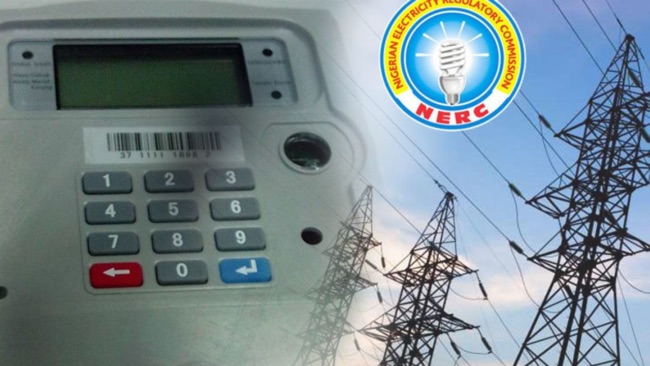
The Nigerian Electricity Regulatory Commission (NERC) has reported a sharp drop in revenue remittance by electricity distribution companies (DisCos) in the second quarter (Q2) of 2025, signalling renewed financial strain in Nigeria’s power sector.
According to the latest NERC Q2 2025 Quarterly Report, DisCos collectively remitted ₦399.20 billion to the electricity market — a 27.9 per cent decline from the ₦553.63 billion recorded in the previous quarter.
Despite the drop in total remittance, the report showed that the DisCos’ cumulative upstream invoice stood at ₦417.35 billion, comprising ₦348.66 billion for generation costs adjusted for Distribution Remittance Obligations (DRO) from the Nigerian Bulk Electricity Trading Plc (NBET) and ₦68.68 billion for transmission and administrative services by the Market Operator (MO).
READ ALSO: Nigeria Seeks $2bn China Loan to Build ‘National Super Grid’ – Power Minister
Of this amount, DisCos paid ₦333.90 billion to NBET and ₦65.30 billion to the MO, leaving an outstanding balance of ₦18.15 billion. This represents a remittance performance of 95.65 per cent, slightly lower than the 95.86 per cent recorded in Q1 2025.
International and Domestic Customers Default on Payments
The regulatory report also highlighted poor payment compliance among international and domestic bilateral customers.
Six international customers purchasing power from grid-connected generation companies (GenCos) paid $9.015 million out of the $17.54 million invoiced by the MO, representing a remittance rate of 51.33 per cent and leaving $8.5 million in unpaid debt.
Similarly, domestic bilateral customers remitted ₦1.40 billion against a total invoice of ₦2.80 billion, reflecting a remittance rate of 50.10 per cent.
DisCos Lose ₦167 Billion in Unaccounted Energy
The NERC report revealed that the total energy offtake by all DisCos in Q2 2025 was valued at ₦909.59 billion, while total energy billed to customers mounted to ₦742.34 billion — indicating a billing efficiency of 81.61 per cent.
This means DisCos could not account for ₦167.25 billion worth of energy received at their trading points during the quarter.
READ ALSO: Nigeria Bets $2bn on Broadband to Power a Trn-dollar Digital Economy
In revenue collection, DisCos gathered ₦564.71 billion out of the ₦742.34 billion billed, representing a collection efficiency of 76.07 per cent — a 1.68 percentage point improvement compared to the 74.39 per cent recorded in Q1 2025.
ATC&C Losses Exceed NERC Target
The report also showed that the aggregate Technical, Commercial, and Collection (ATC&C) loss across all DisCos stood at 37.92 per cent, comprising 18.39 per cent technical and commercial losses and 23.93 per cent collection losses.
NERC explained that ATC&C losses reflect both the billing losses from unmetered or unbilled energy and the collection losses from unpaid customer bills.
The figure is 17.38 percentage points higher than the 20.54 per cent benchmark set under the 2025 Multi-Year Tariff Order (MYTO), translating into a ₦158.05 billion cumulative revenue loss across all DisCos. Despite this, the Q2 figure marked a 1.69 percentage point improvement from the 39.61 per cent recorded in Q1.
Sector Faces Ongoing Liquidity Challenges
Analysts say the reduced remittance underscores ongoing liquidity and operational challenges in Nigeria’s electricity supply industry.
While the marginal improvement in collection efficiency suggests gradual progress, the steep fall in remittance indicates persistent cash flow constraints across distribution companies.
NERC said it will continue to enforce compliance, strengthen financial discipline, and drive accountability within the power market to ensure long-term sector stability.