Governors and former ministers have called on the federal government to urgently reform the Independent National Electoral Commission (INEC) ahead of the 2027 general elections to restore public confidence and strengthen Nigeria’s electoral system.
They made the call yesterday in Abuja during a high-level panel discussion organised by the Athena Centre for Policy and Leadership with the theme “Innovation in Electoral Technology 2015–2025: Gains, Gaps, and the Road Ahead”.
The event also marked the launch of the Athena Election Observatory, an initiative aimed at monitoring and documenting electoral reforms, innovations, and governance trends in Nigeria and across Africa.
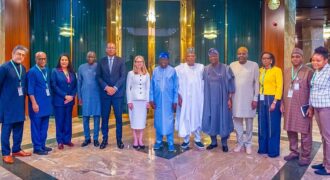
The dialogue brought together governors, former ministers, academics, policymakers, civil society leaders, and election experts to review how technology had influenced Nigeria’s elections over the last decade and to map a reform agenda ahead of 2027.
Aregbesola faults INEC appointments
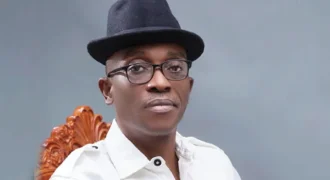
Former Interior Minister Rauf Aregbesola faulted the existing process for appointing the INEC Chairman and National Commissioners, describing it as “a grandstanding deceit”.
“It is a grandstanding deceit for the principal beneficiary of electoral manipulation to appoint the INEC Chairman,” he said.
Aregbesola argued that political parties with parliamentary representation should take part in nominating the commission’s leadership to ensure genuine independence.
“Political parties with at least five members in the National Assembly should be the ones to nominate INEC chairman and commissioners. That is the only way Nigerians can have confidence in the process,” he added, drawing murmurs of approval from the audience.
Soludo: Build trust in institutions
Anambra Governor, Prof. Chukwuma Soludo, stressed that credible elections are the foundation of good governance, adding that reform efforts must focus on strengthening public trust and institutional independence.
“The critical question is how we can make our institutions work. We have made some progress, but we still have a long way to go in building trust in the process,” Soludo said.
He cautioned that electoral integrity depended not only on technology or legal frameworks but also on the conduct of those managing the process.
“It is not just about the rules or the machines; it is about the people. We can only build democracy on institutions that Nigerians trust,” he stated.
Lawal: Uphold rule of law
Zamfara Governor Dauda Lawal linked democratic progress to respect for the rule of law and institutional accountability.
“We cannot talk about democracy without the rule of law. The rule of law guarantees fairness, justice, and peace in society,” he said.
He added that institutions must embody integrity for citizens to believe in elections. “If we want people to trust the process, then we must ensure that our institutions are beyond manipulation,” Lawal stated.
Chidoka: Strengthen institutions, not individuals
Former Minister of Aviation Osita Chidoka said Nigeria’s electoral challenges stemmed from weak institutions and a lack of public trust.
“Institutions, not individuals, make democracy work. When institutions are weak, the system becomes personalised and unaccountable,” Chidoka said.
He added that credible elections require transparency and impartiality, saying, “We must ensure the umpire is not seen as a player. Without transparency, democracy becomes a shadow of itself.”
INEC defends record
Responding on behalf of the commission, Prof. Abdullahi Abdu Zuru, National Commissioner and Chairman of the Board of the Electoral Institute (BEI), said INEC remained committed to improving transparency and leveraging technology to enhance election management.
READ ALSO: INEC Insists Nigerians Remain Confident in Electoral Process
“INEC has continued to reform its processes and build transparency in all its operations,” he said.
Zuru disclosed that the commission had established an artificial intelligence unit to strengthen monitoring and data integrity ahead of future elections.
Among the panellists were Anambra State Governor Prof. Chukwuma Soludo; Zamfara State Governor Dauda Lawal; former Minister of Interior Rauf Aregbesola; and former Minister of Aviation Osita Chidoka, who also serves as the Chancellor of the Athena Centre and National Secretary of the African Democratic Congress (ADC).
The panel’s discussions reflected ongoing debates about the balance between technology and human integrity in Nigeria’s elections.
While innovations such as the BVAS and IReV have enhanced transparency since 2015, participants agreed that the credibility of future elections will depend on institutional reforms, political will, and public trust.

Rafiyat Sadiq is a political, justice, and human rights reporter with Pinnacle Daily, known for fearless reporting and impactful storytelling. At Pinnacle Daily, she brings clarity and depth to issues shaping governance, democracy, and the protection of citizens’ rights.