
The federal government has completed a comprehensive review of curricula for basic, senior secondary, and technical education. The goal, officials said, is to reduce overload and improve learning outcomes.
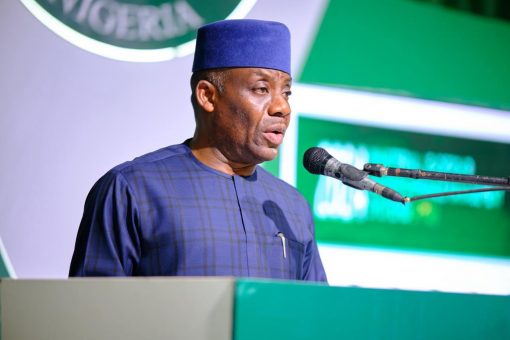
Minister of State for Education, Prof. Suwaiba Sai’d Ahmad, announced the development on Sunday in Abuja on behalf of the Minister of Education, Dr Maruf Tunji Alausa.
She explained that the exercise involved the Nigerian Educational Research and Development Council (NERDC), Universal Basic Education Commission (UBEC), National Senior Secondary Education Commission (NSSEC), National Board for Technical Education (NBTE), and other stakeholders.
According to the ministry’s Director of Press and Public Relations, Folasade Boriowo, the new framework balances the number of subjects with deeper, more practical learning. Moreover, it ensures that learners acquire both knowledge and skills relevant to today’s realities.
READ ALSO: Nigerian Job Market Paradox: Fake Offers, Unfair Processes and the Experience Dilemma
The revised structure introduces a clearer range of subjects across different levels:
- Primary 1–3: 9–10 subjects
- Primary 4–6: 10–12 subjects
- Junior Secondary: 12–14 subjects
- Senior Secondary: 8–9 subjects
- Technical Schools: 9–11 subjects
This adjustment, officials added, is meant to ease learning pressure while keeping education comprehensive.
Prof. Ahmad noted that the revision reduces content overload and creates more time for effective learning.
In addition, she emphasised that the reforms make education more relevant to modern realities, preparing Nigerian students for the future.
READ ALSO: NDLEA, Education Ministry Target Campus Drug Use
The federal government praised stakeholders for their commitment to the process. It also assured that strict monitoring will follow, ensuring smooth adoption of the new curriculum in schools nationwide.

Esther Ososanya is an investigative journalist with Pinnacle Daily, reporting across health, business, environment, metro, Fct and crime. Known for her bold, empathetic storytelling, she uncovers hidden truths, challenges broken systems, and gives voice to overlooked Nigerians. Her work drives national conversations and demands accountability one powerful story at a time.