

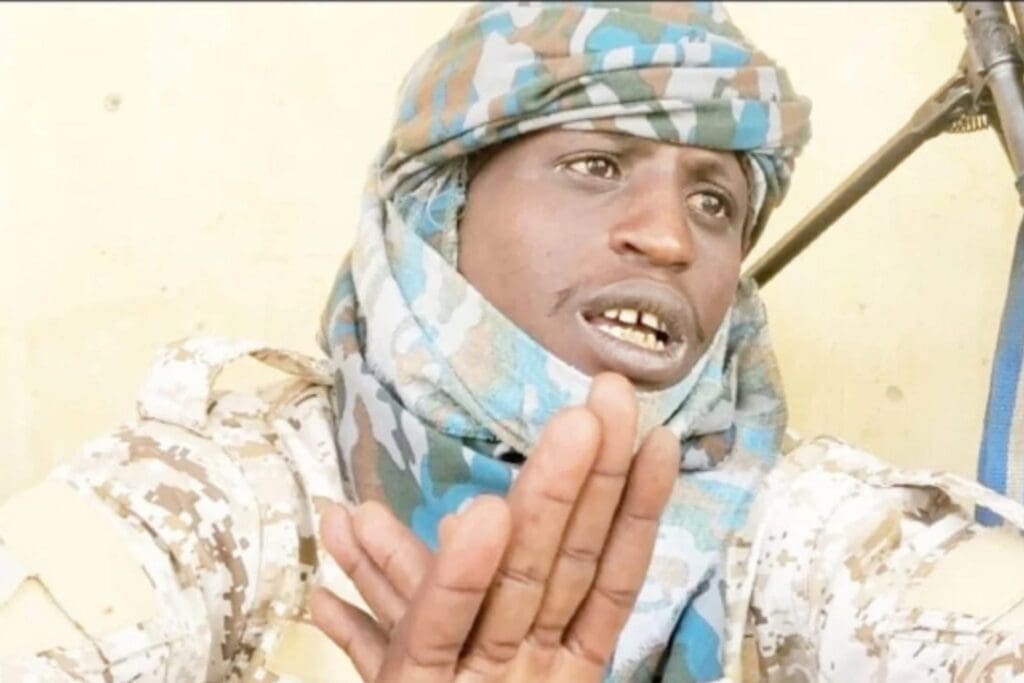
Notorious bandit leader Bello Turji has freed 32 hostages and agreed to a conditional peace pact with farming communities in Zamfara State, following grassroots negotiations led by Islamic clerics.
The high-stakes dialogue, which unfolded deep in the Fakai forest of Shinkafi Local Government Area over three separate visits in July, marks one of the clearest breakthroughs in the region’s recent efforts to de-escalate rural violence.
Renowned Islamic cleric Sheikh Musa Yusuf, popularly known as Asadus-Sunnah, disclosed the development on Monday during a public religious event in Kaduna. According to him, the negotiations were initiated after residents of Shinkafi pleaded for access to farmlands long seized or terrorised by Turji’s gang.
“We met Turji, Dan Bakkolo, Black, Kanawa, and Malam Ila,” Yusuf revealed. “They are the major actors behind the insecurity in that axis. All of them agreed to the peace proposal and have begun releasing captives and weapons as a show of commitment.”
Peace Through Dialogue, Not Firepower
The clerics’ peace initiative led to the release of 32 hostages, including women and children, some of whom had spent four harrowing months in captivity. According to Yusuf, several women delivered babies while in the forest, and one victim narrowly survived a snakebite.
“The victims were released in batches. We also recorded the rough paths we took to reach the camp, to prove this was not staged,” he added.
In a symbolic gesture, Turji’s group surrendered some arms in three phases. But Yusuf clarified they were not asked to disarm completely, citing the risk of rival bandit factions exploiting their vulnerability.
“We want peace, not revenge,” Yusuf said. “It’s better to secure one region step by step than to destabilise all.”
A Fragile Calm, But a Step Forward
Since the July peace accord, farming activity has reportedly resumed in Shinkafi, a community that was once gripped by daily abductions and raids. Fulani residents, often caught between vigilante groups and criminal gangs, are now able to enter town markets without fear of profiling or reprisal attacks.
Still, Yusuf warned that this agreement, while significant, is not a blanket solution to Zamfara’s broader security nightmare.
“This won’t end terrorism in the state, but communities under Turji’s control are enjoying relative calm,” he said. “Other bandit enclaves may require similar local engagement to stem the violence.”
Yusuf extended gratitude to national and state authorities for not obstructing the clerics’ peace efforts. He praised President Bola Ahmed Tinubu, National Security Adviser Nuhu Ribadu, Zamfara Governor Dauda Lawal, and Senator Shehu Buba, stating that their support for dialogue over brute force was crucial.
He also called out fellow clerics who have been launching social media attacks against Turji, warning that such provocations could derail fragile gains.
“Our mission is not to whitewash crime,” Yusuf clarified. “But peacebuilding requires wisdom, patience, and a strategy; online insults will only escalate the situation.”
Bello Turji, in his early 30s, has long been branded one of Nigeria’s most feared bandit leaders, accused of masterminding mass abductions, village massacres, and armed ambushes in Zamfara, Sokoto, and Katsina States. Multiple military operations have attempted to neutralise him, but he has eluded capture while maintaining a stronghold in the forests of northwest Nigeria.
His reported willingness to discuss peace has long divided public opinion, viewed by some as a chance for reconciliation and by others as a sign of state weakness.
READ ALSO: Bandits Kill 38 Hostages After Receiving ₦50m Ransom in Zamfara
While sceptics question the long-term value of negotiating with armed actors, the release of dozens of captives and the return of farmers to their lands marks a real-time win for conflict-fatigued communities.
Whether this fragile pact holds or becomes just another false dawn depends on sustained engagement, honest oversight, and a strategic approach to peace.

Esther Ososanya is an investigative journalist with Pinnacle Daily, reporting across health, business, environment, metro, Fct and crime. Known for her bold, empathetic storytelling, she uncovers hidden truths, challenges broken systems, and gives voice to overlooked Nigerians. Her work drives national conversations and demands accountability one powerful story at a time.