By Esther Ososanya
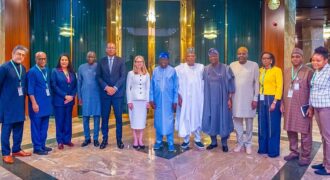
The Federal Ministry of Finance, in partnership with the African Capacity Building Foundation (ACBF) Gates Foundation, has launched the Leadership Excellence in Africa’s Public Service (LEAPS) programme in Abuja, a transformative initiative aimed at strengthening institutional leadership across Nigeria’s public service.
The launch marks a step toward improving economic governance by retooling directorate-level officers, the crucial implementers of national policy, with skills to deliver innovation, accountability, and inclusive development in a high-pressure governance environment.
Representing the Permanent Secretary of the Ministry of Finance, Deputy Director for International Development, Mr Ibrahim Abubakar Matazu, described the programme as a “game changer” that recognises public leadership as the true infrastructure upon which service delivery and sustainable development rest.
“You are the torchbearers of reform. Our economy can no longer afford transactional governance. We need leaders who are strategic, ethical, and results-driven,” Matazu told the cohort of senior civil servants.
LEAPS focuses not just on technical competence but on building visionary and reform-orientated public servants who can think beyond bureaucratic routine to solve real problems, especially in areas like fiscal management, transparency, and service delivery.
Fixing Nigeria’s Institutional Core
The programme arrives at a time when Nigeria is under pressure to deliver economic reforms, diversify revenue, and restore investor confidence. According to analysts, poor governance at the mid-management level remains a bottleneck in translating presidential policies into measurable results.
“Nations rise not because of their resources, but because of their leaders,” said Bakary Kone, Senior Advisor to the ACBF Executive Secretary for Strategy and Partnerships.
He added that technical expertise is no longer enough and that Africa’s public finance systems require leaders who understand not only numbers but systems thinking, emotional intelligence, and innovation.
“LEAPS is not just a classroom; it’s a launchpad. A catalyst for a civil service that inspires, delivers, and transforms.”
Speaking at the launch, Adil Ababou, Senior Programme Officer at the Gates Foundation, said the programme aligns with the Foundation’s vision for inclusive growth through effective governance.
“Leadership reform is the gateway to economic equity. We must invest in people who manage institutions that affect millions,” he said.
Through modules covering green public financial management, AI in governance, negotiation skills, and leading through crisis, LEAPS aims to help senior officers lead complex reforms in budgeting, procurement, tax administration, and public service delivery.
With the Nigerian economy deeply linked to the performance of its public sector, this initiative is seen as a long-term investment in domestic fiscal stability and regional economic influence.
Nigeria Joins Africa’s Reform Movement
The Abuja launch positions Nigeria alongside countries like Ghana, Côte d’Ivoire, Kenya, Senegal, and Zimbabwe, nations where LEAPS has already reshaped public service culture.
ACBF reports that 89 senior officials across Africa have completed the programme since 2024, with “mindset shifts” and institutional innovation cited as major outcomes.
Nigeria’s cohort is now expected to form part of a pan-African alumni network, where lessons, policies, and breakthroughs are shared across borders to tackle shared challenges.
READ ALSO: FG Moves to Curb $18Bn Annual Loss to Illicit Financial Flows
For many observers, LEAPS represents more than a leadership academy; it is a test of political will to modernise a civil service long seen as inefficient, resistant to change, and structurally weak.
With the Ministry of Finance leading the charge, experts believe that embedding transformational leadership at the directorate level could yield dividends in public accountability, revenue optimisation, and policy continuity.
“We cannot talk about industrial growth or the digital economy without strengthening the public institutions behind them,” Kone noted.
As the LEAPS programme begins in Nigeria, expectations are high that the country’s senior bureaucrats will emerge not just as administrators but as architects of economic reform and national renewal.

Esther Ososanya is an investigative journalist with Pinnacle Daily, reporting across health, business, environment, metro, Fct and crime. Known for her bold, empathetic storytelling, she uncovers hidden truths, challenges broken systems, and gives voice to overlooked Nigerians. Her work drives national conversations and demands accountability one powerful story at a time.