

As World Environment Day draws global focus to the theme “Beat Plastic Pollution”, Nigerian environmentalists say action must replace promises in the fight against plastic waste.
Nigeria generates over 2.5 million tonnes of plastic waste annually, with 870,000 tonnes coming from Lagos alone, leaving the country’s cities, rivers, and drainage systems increasingly choked by single-use plastics
United Nations Secretary-General António Guterres recently warned that plastic waste is “choking our planet”.
In a move widely applauded by experts, Lagos State has banned Styrofoam products and pledged to enforce a wider single-use plastics ban from July 1, 2025.
At the federal level, the government has issued a similar directive for its offices. However, enforcement remains weak and uneven across the country.
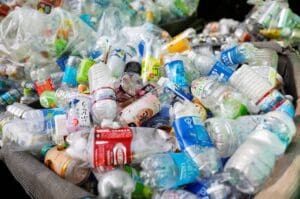
Trash Piles Up as Government Talks On
Despite policy announcements, the casual disposal of plastic bottles, sachets, and bags remains widespread.
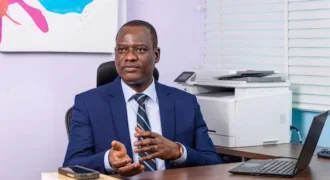
Amb. Freeman Elohor Oluowo, Founder of the African Centre for Climate Actions and Rural Development Initiative (ACCARD), said, “We cannot heap the blame on government alone; people still sweep waste into gutters, dump trash in rivers, and treat the environment with disrespect.
“But the government must lead with action.”
Policy Without Enforcement Is Pollution by Default
Amb. Oluowo pointed out that while Nigeria adopted a National Policy on Plastic Waste Management in 2020 and committed to banning certain single-use plastics by 2025, lack of infrastructure and public education is hampering progress. “There’s no point in banning plastics if there’s no facility to collect waste. We need trucks, bins, and a full collection system. Without this, enforcement will fail.”
Call for Full Private Sector Involvement
Speaking to Corporate Accountability and Public Participation Africa (CAPPA), Associate Director Olumide Martins stressed the importance of public-private partnerships in fighting plastic pollution. “The private sector must be held accountable through Extended Producer Responsibility (EPR),” he said. “Manufacturers and importers should pay for the cleanup of their products. This is standard practice globally and must be fully enforced here.”
From Waste to Wealth: Plastics as Economic Opportunity
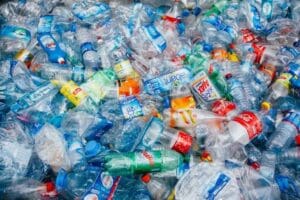
Both Martins and Oluowo agreed that Nigeria should treat waste as an economic opportunity. “You now see people picking bottles at parties because there’s value in it,” Oluowo noted. “We need to invest in plastic recycling industries and community cooperatives. There are jobs in this; if done right, the plastic problem can become a job solution.”
Environmental education is another missing link. Oluowo called for nationwide curriculum reform to introduce climate awareness at primary and secondary levels. “Change begins early. We must teach children that plastic harms their health, their future, and the environment,” he said.
Nigeria’s Image on the Line
Many African countries, Rwanda, Ghana, and South Africa among them, have made visible progress in keeping their cities clean and enforcing waste laws. Oluowo warned that Nigeria, despite being the continent’s largest economy, is lagging behind. “We can’t claim to be the Giant of Africa when our streets are littered with plastic. We must match policy with visible progress.”
More Than Just a Ban
Experts are unanimous: banning single-use plastics is essential, but without facilities, public sensitisation, and enforcement, it will fail. “We must put the right systems in place: bins, collection trucks, partnerships, laws, and education,” said Martins. “The time to act is now.”
Plastic pollution is not a fate Nigerians must accept because with political will, civic responsibility, and investment, the tide can turn. “The ban on single-use plastics must happen,” Oluowo concluded. “Let the government enforce it. Let the people support it. And let Nigeria breathe again.”

Esther Ososanya is an investigative journalist with Pinnacle Daily, reporting across health, business, environment, metro, Fct and crime. Known for her bold, empathetic storytelling, she uncovers hidden truths, challenges broken systems, and gives voice to overlooked Nigerians. Her work drives national conversations and demands accountability one powerful story at a time.