

By Esther Ososanya
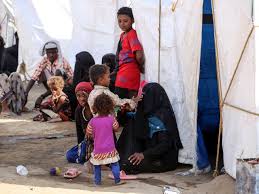
The United Nations has sounded the alarm over Yemen’s deepening humanitarian crisis, warning that nearly half of all children under five are suffering from acute malnutrition.
The stark message came during a UN Security Council briefing on Tuesday, where officials called for urgent global intervention to curb the worsening food insecurity, displacement, and instability gripping the country.
Ramesh Rajasingham, Director of the Coordination Division at the UN Office for the Coordination of Humanitarian Affairs (OCHA), painted a grim picture: over 17 million Yemenis are currently food insecure, a figure expected to climb to 18 million by early next year.
He revealed that almost half of Yemen’s young children are stunted due to chronic hunger, while millions of families now struggle to secure even a single daily meal.
Emergency Funding Announced
To respond to the emergency, the UN announced $20 million in immediate funding through the Yemen Humanitarian Fund. But Rajasingham stressed that only a political settlement can guarantee lasting stability, warning, “Without peace, this crisis will only worsen.”
READ ALSO: UN Warns of HIV Resurgence Amid Funding Cuts
China’s deputy permanent representative to the UN, Geng Shuang, echoed the urgency, calling Yemen “one of the world’s most severe food crises”, with half its population undernourished and 4.8 million people displaced.
He urged nations to increase humanitarian aid, support economic recovery, and safeguard stability in the Red Sea region.
Diplomats and UN officials agreed that Yemen’s hunger crisis cannot be solved by aid alone.
With conflict and insecurity fuelling the catastrophe, the world faces a narrowing window to act—both to deliver lifesaving assistance and to push for the political solution the country desperately needs.

Esther Ososanya is an investigative journalist with Pinnacle Daily, reporting across health, business, environment, metro, Fct and crime. Known for her bold, empathetic storytelling, she uncovers hidden truths, challenges broken systems, and gives voice to overlooked Nigerians. Her work drives national conversations and demands accountability one powerful story at a time.