

Nigeria’s government has called on South Africa to take urgent and decisive action against recurring attacks on foreign nationals, as official records show 98 Nigerians have been killed in mob violence and hate-related incidents since 2022.
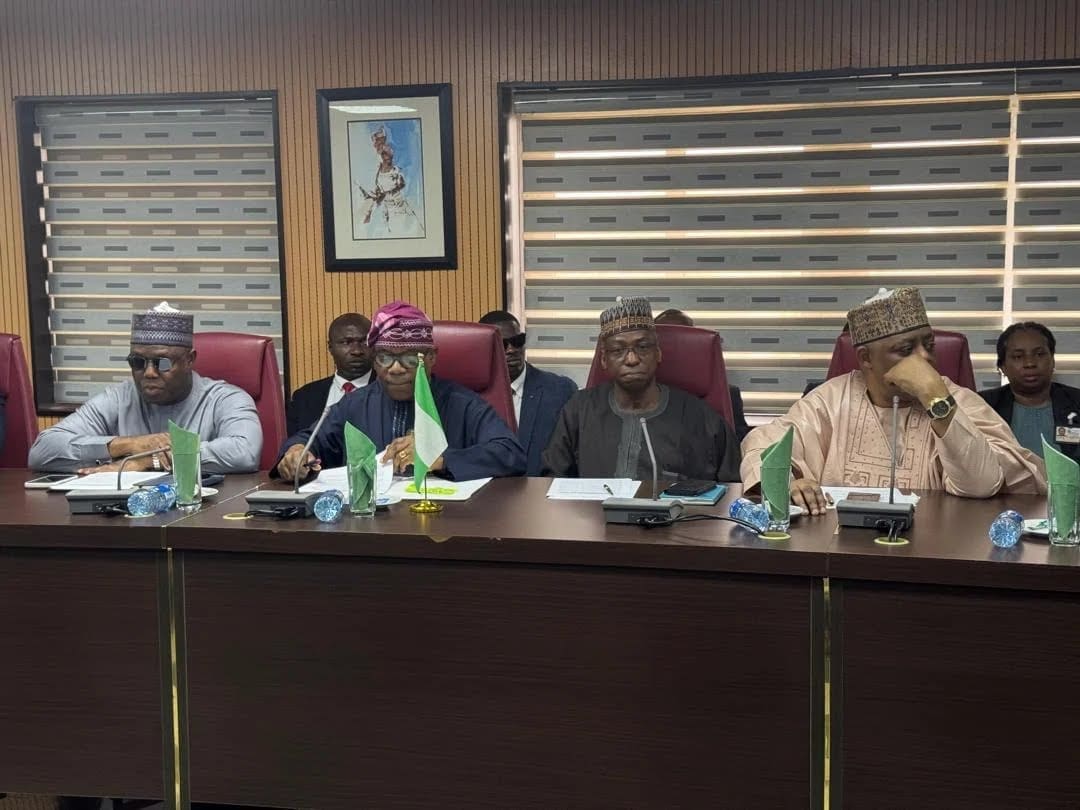
The demand came during a meeting in Abuja on Monday, where South Africa’s Minister of International Relations and Cooperation, Ronald Lamola, met with Nigeria’s Minister of State for Foreign Affairs, Sola Enikanolaiye. Lamola, dispatched by President Cyril Ramaphosa, delivered a message to President Bola Tinubu, who delegated the meeting to his minister of state for foreign affairs.
In a session that balanced remembrance with confrontation, Lamola acknowledged Nigeria’s historic solidarity with South Africa during the anti-apartheid struggle, vowing that the “sacrifice of Nigerians will never be forgotten.” He reiterated South Africa’s official opposition to xenophobia, racism, discrimination, and all forms of intolerance.
Yet the Nigerian delegation pressed for accountability, not sentiment.
Enikanolaiye told newsmen that President Tinubu had explicitly directed the meeting to address the “repeated attacks” on Nigerian citizens living in South Africa. He warned that the violence—which he labelled “Afrophobic”—threatens the relationship between Africa’s two largest economies and demands more than diplomatic reassurances.
“We remain committed to our fraternal ties with South Africa, but we cannot ignore the loss of 98 Nigerian lives since 2022,” Enikanolaiye stated. “Five Nigerians have already died this year alone, and some returnees suggest the actual toll is higher.”
The minister also revealed that nearly 1,500 Nigerians have been repatriated from South Africa in 2026—a figure he described as “heartbreaking”.
READ ALSO:
- How Growing Xenophobic Wave Targets Nigerians Across Africa
- Xenophobia: 308 Nigerians Arrive From South Africa as FG Concludes Evacuation
- Xenophobia: FG Repatriates Another 282 Nigerians From South Africa
“I shed tears when I received the first batch of evacuees,” Enikanolaiye said. “I saw children, women, and the elderly returning home with almost nothing after their properties had been looted and destroyed. That is not the Africa we want.”
Nigeria’s government stressed that while it does not condone criminal activity by any individual, it insists that due process must be followed. Enikanolaiye called for suspects to be arrested and prosecuted under the law rather than targeted by mobs.
On his part, Lamola noted that South Africa has a responsibility to enforce immigration laws and tackle crimes such as drug trafficking and fraud but acknowledged that migration is a continental challenge requiring coordinated solutions. He called for strengthened cooperation under the African Union framework on orderly migration.
Despite the tensions, both ministers expressed hope for continued dialogue. Nigeria reaffirmed its commitment to maintaining cordial relations with South Africa, while Lamola emphasised that the bonds forged during the anti-apartheid era remain a cornerstone of bilateral ties.
Still, Enikanolaiye made clear that words alone would not suffice: “Trust must be rebuilt—and that requires decisive action, not just condolences.”

Rafiyat Sadiq is a political, justice, and human rights reporter with Pinnacle Daily, known for fearless reporting and impactful storytelling. At Pinnacle Daily, she brings clarity and depth to issues shaping governance, democracy, and the protection of citizens’ rights.