

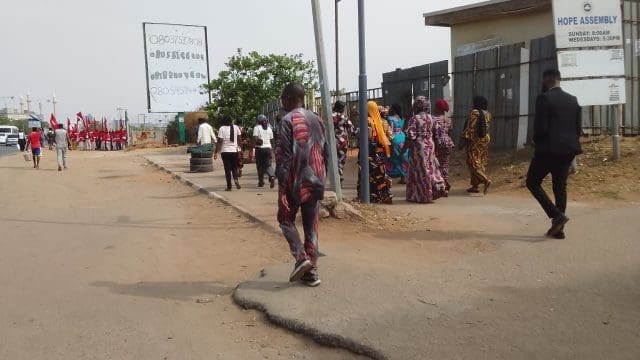
Private and public sector workers in parts of Abuja on Friday were forced to trek for hours through bush paths and makeshift routes as road closures and security checks disrupted vehicular movement in the nation’s capital ahead of the 2026 national convention of the All Progressives Congress.
The Federal Government had, on Thursday, March 26, ordered the closure of access roads around the Federal Secretariat Complex and Eagle Square for the duration of the convention. Workers within the affected axis were directed to work from home.
However, the directive did not address the situation of workers whose offices are located outside the Federal Secretariat but rely on the same restricted routes to access their workplaces.
As a result, many commuters were stranded, with several abandoning their vehicles and continuing their journeys on foot through narrow bush paths and informal walkways.
A pregnant worker, cited by Pinnacle Daily, was said to have trekked a long distance through the bust to reach an area where vehicles were allowed to operate.
Commercial drivers were reportedly required to present accreditation before being granted access, forcing many to turn back while passengers endured long, stressful walks to their destinations.
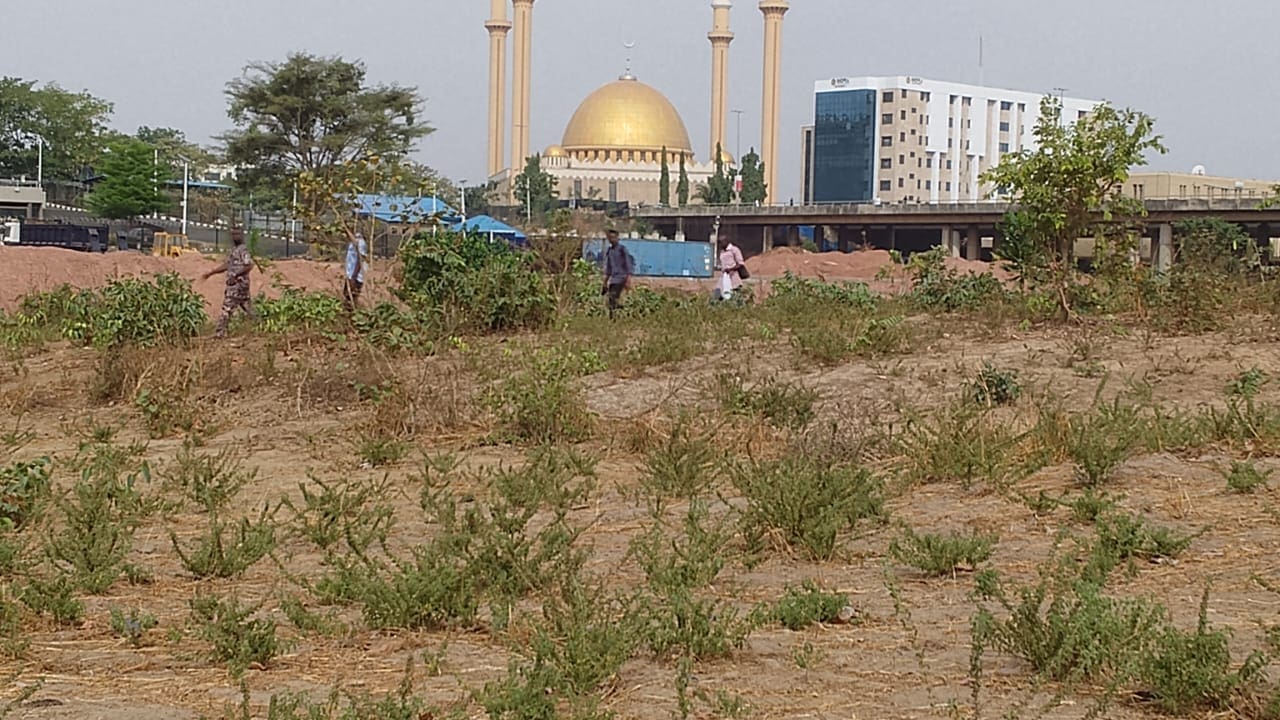
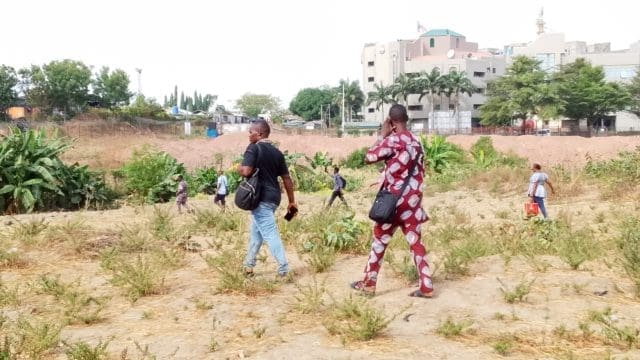
The restrictions also triggered heavy traffic around the Berger and Banex areas of Abuja, leaving both private and commercial motorists frustrated.
By early Friday, security operatives had mounted checkpoints and barricades across major roads leading to key districts, including Maitama and the Three Arms Zone.
The development drew criticism from affected workers, many of whom described the situation as avoidable and called for better planning in future.
RELATED NEWS:
- 8,433 Delegates, 32 Governors Set for APC Convention
- APC Leadership Emerges Across Zones as Party Prepares for convention
- APC Convention Committee Begins Screening NWC Aspirants
Private Workers Expressed Plight
A construction supervisor who spoke on condition of anonymity said he was unable to find transportation after attempting to move from the National Assembly area to Finance Bridge.
“Why should people suffer because a political party is holding a convention? This is unfair. I only planned to check on my site and return home, but the experience today has been frustrating and unnecessary,” he said.
Another private sector worker, identified simply as Amina, said the directive failed to reflect the realities of workers outside government offices.
“Not everyone works within the Federal Secretariat. Some of us depend on these roads to get to work, and it has been very difficult. There should have been better coordination, maybe even a broader directive to ease the situation,” she said.
APC Supporter Backs Restriction
However, a supporter of the APC, who declined to be named, defended the restrictions, describing them as necessary for a major political event.
Speaking while heading to Eagle Square, he said the inconvenience was temporary.
“This is not an everyday occurrence. It’s a major convention that requires coordination and security. It will soon be over, so people should be patient,” he said.
The government had explained that the road closures, which run from March 27 to March 28, were necessary for security and logistics during the convention.
Despite this, the impact extended beyond the designated areas, disrupting business and official activities across parts of the city.

Rafiyat Sadiq is a political, justice, and human rights reporter with Pinnacle Daily, known for fearless reporting and impactful storytelling. At Pinnacle Daily, she brings clarity and depth to issues shaping governance, democracy, and the protection of citizens’ rights.