

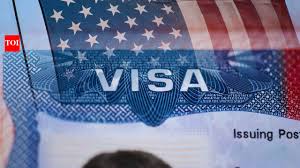
The United States has expanded its controversial visa bond policy, adding seven more countries, five of them in Africa, to the list of nations whose citizens may be required to post bonds of up to $15,000 before entering the country.
Under the latest update by the Trump administration, passport holders from Bhutan, Botswana, the Central African Republic, Guinea, Guinea-Bissau, Namibia and Turkmenistan are now subject to the requirement.
The new designations took effect on January 1, according to a notice published on the US State Department’s travel website.
With the addition, the total number of affected countries has risen to 13, with all but two located in Africa. Critics say the policy effectively places US visas out of reach for many applicants due to the high financial burden.
READ ALSO: US Oil Shares Surge on Trump’s Venezuela Announcement
US officials, however, have defended the visa bonds, which range from $5,000 to $15,000 — arguing that they are designed to discourage visa overstays among applicants from countries deemed high-risk.
Authorities stress that paying the bond does not guarantee visa approval.
The funds are refundable if a visa is denied or once the visa holder proves full compliance with the terms of entry.
The policy is part of a broader tightening of US immigration rules, which also includes mandatory in-person visa interviews and expanded disclosure requirements covering applicants’ social media history, travel records and family living arrangements.
READ ALSO: US Congressman Confirms Christmas Day Tomahawk Missile Strikes in Sokoto
The newly added countries join Mauritania, São Tomé and Príncipe, Tanzania, The Gambia, Malawi and Zambia, which were placed under the bond requirement between August and October last year.

Esther Ososanya is an investigative journalist with Pinnacle Daily, reporting across health, business, environment, metro, Fct and crime. Known for her bold, empathetic storytelling, she uncovers hidden truths, challenges broken systems, and gives voice to overlooked Nigerians. Her work drives national conversations and demands accountability one powerful story at a time.