

The United Kingdom has pledged £19 million to build climate-resilient schools and healthcare facilities, taking a bold step to protect Nigeria’s most vulnerable communities from climate change.
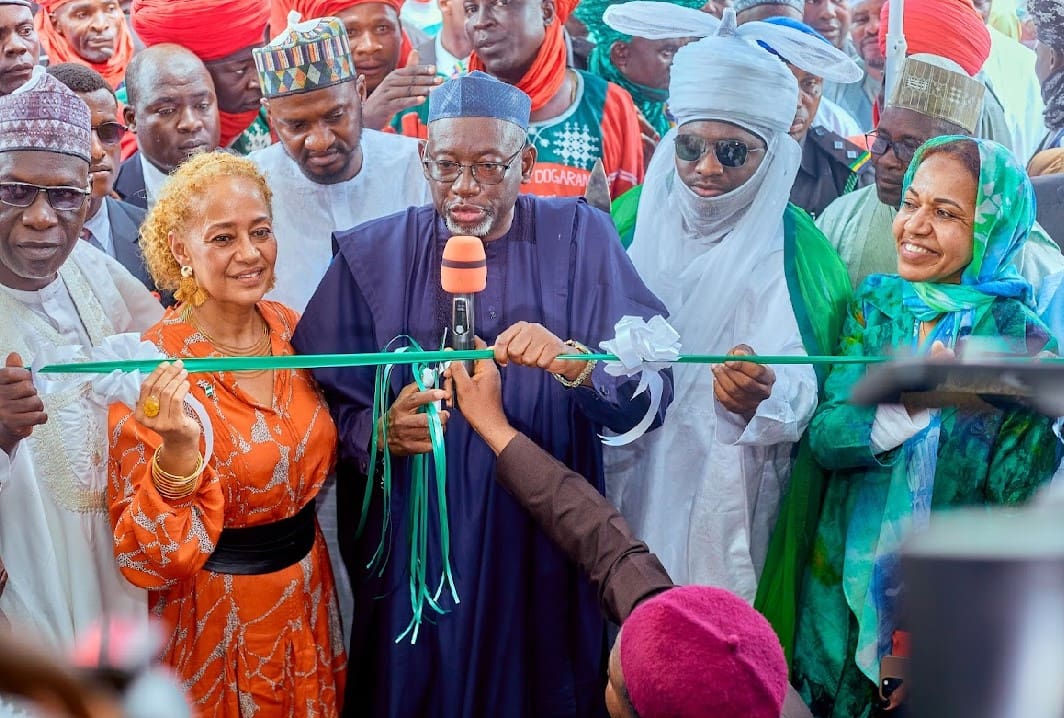
The UK announced the funding on Tuesday while commissioning 84 renovated facilities in Kano and Jigawa States. The project, implemented with the federal government, state governments, and UNICEF, falls under the Climate Resilient Infrastructure for Basic Services (CRIBS) initiative.
The upgraded facilities – 39 primary healthcare centres and 45 schools – now feature climate-smart designs that can withstand floods, extreme heat, and other weather-related shocks that often disrupt essential services in Northern Nigeria.
READ ALSO: FG Commissions Vehicular Emission Testing Centre in Nasarawa to Tackle Air Pollution
Nigeria ranks second globally for climate risks to children. Millions face yearly threats from extreme weather, which limits access to education and healthcare. Experts warn that these risks deepen inequality, especially in rural and low-income communities.
Through CRIBS, partners aim to keep schools open, ensure uninterrupted healthcare, and strengthen community resilience in the face of worsening climate impacts.
At the commissioning, Cynthia Rowe, Head of Development Cooperation at the British High Commission Abuja, reaffirmed the UK’s support:
“This £19m investment reflects our shared determination to safeguard lives and improve access to basic services for vulnerable populations. CRIBS shows that climate-resilient infrastructure can be affordable, scalable, and life-changing. We hope this model inspires adoption across Nigeria.”
UNICEF’s Representative in Nigeria, Wafaa Saeed, also emphasised collaboration:
“This initiative proves what strong partnerships can achieve. By investing in climate-smart infrastructure, we are protecting essential services while empowering communities to secure their children’s future.”
READ ALSO: Land Grabbing in FCT: CP Adewale Vows Crackdown on Land Fraud
CRIBS began in April 2024 as a joint effort by the UK Foreign, Commonwealth and Development Office (FCDO), the Federal Government of Nigeria, UNICEF, WHO, the World Bank, JigSaw, Fab Inc., Crown Agents, and the UK Lafiya Programme.
After its success in Kano and Jigawa, the programme will expand to Bauchi, Enugu, Gombe, Kaduna, and Katsina States. The goal is to scale up low-cost, community-owned models of resilience nationwide.
For families in Northern Nigeria, these new facilities represent more than bricks and mortar. They offer a promise of steady education and healthcare, even as the climate crisis grows more severe.

Esther Ososanya is an investigative journalist with Pinnacle Daily, reporting across health, business, environment, metro, Fct and crime. Known for her bold, empathetic storytelling, she uncovers hidden truths, challenges broken systems, and gives voice to overlooked Nigerians. Her work drives national conversations and demands accountability one powerful story at a time.