

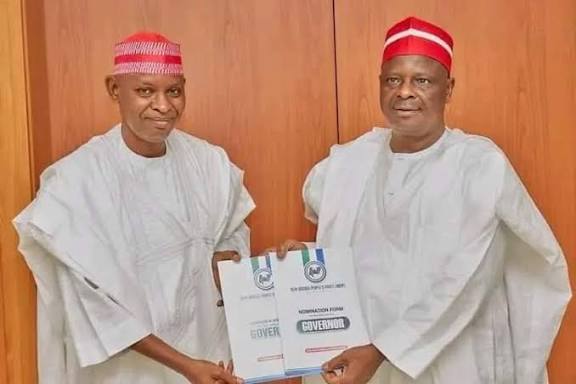
The National Working Committee of the New Nigeria Peoples Party (NNPP) has dissolved the party’s executive structure in Kano State, including officials at the state, local government and ward levels.
The decision was announced on Friday in a statement by the NNPP National Publicity Secretary, Oladipo Johnson, who said the action followed an emergency meeting of the party’s leadership.
Johnson explained that the dissolution was carried out in line with the provisions of the party’s constitution, adding that a caretaker committee would be put in place to manage the party’s affairs in the state pending further directives.
“The National Working Committee of the New Nigeria Peoples Party, after an emergency meeting, has, in accordance with the constitution of the party, announced the dissolution of its executive committees at the state, local government and ward levels in Kano State,” the statement read.
“In line with the provisions of the party’s constitution, the NWC resolved to appoint caretaker committees to act in the interim. Further instructions will be announced in due course.”
READ ALSO: Kano APC Woman Leader, 100 Supporters Dump Party for NNPP
He also commended members of the dissolved executives for their service to the party, assuring them of the NNPP’s appreciation for their contributions.
The development comes amid a deepening political crisis between the NNPP National Leader and former Kano State Governor, Rabiu Musa Kwankwaso, and the incumbent governor, Abba Yusuf.
READ ALSO: Kwankwaso Lists Conditions for NNPP to Win Presidency 2027
Yusuf is widely reported to be on the verge of defecting to the All Progressives Congress, a move said to be strongly opposed by Kwankwaso.
The Kano State chapter of the APC has also confirmed that the governor is expected to formally join the party in the coming days.

Rafiyat Sadiq is a political, justice, and human rights reporter with Pinnacle Daily, known for fearless reporting and impactful storytelling. At Pinnacle Daily, she brings clarity and depth to issues shaping governance, democracy, and the protection of citizens’ rights.