

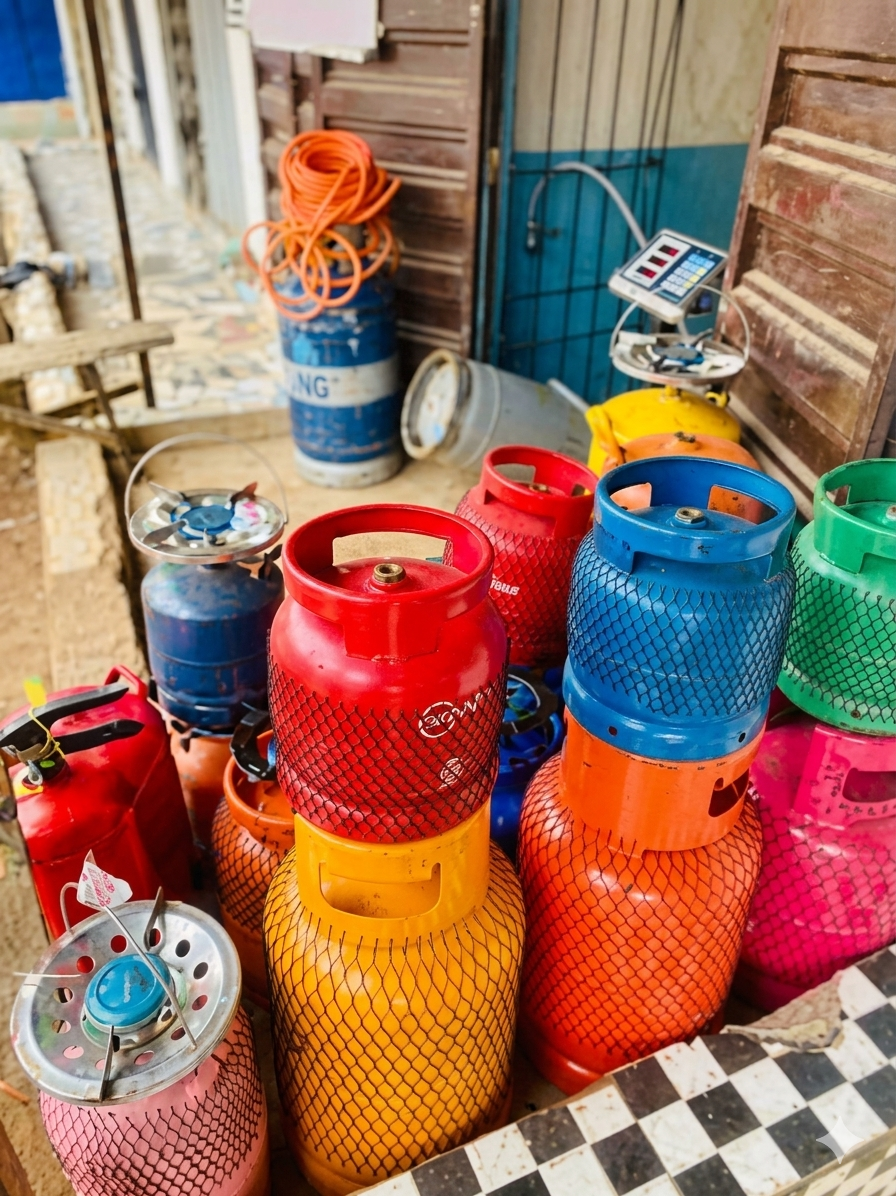
The Federal Government has directed the Nigerian Midstream and Downstream Petroleum Regulatory Authority (NMDORA) to collaborate with security agencies to stop hoarding, diversion and other practices that create artificial scarcity of Liquefied Petroleum Gas (LPG), commonly known as cooking gas, across the country.
The Minister of State for Petroleum Resources (Gas), Rt. Hon Ekperikpe Ekpo gave the directive at an emergency stakeholders’ meeting convened by the Federal Ministry of Petroleum Resources on Monday to address cooking gas crisis.
The meeting was attended by representatives of the NMDPRA, Nigerian Gas Association, Major Energy Marketers Association of Nigeria (MEMAN), Nigerian Association of Liquefied Petroleum Gas Marketers, gas suppliers, distributors, and other stakeholders.
“I directed the NMDPRA, as the industry regulator, to work in close collaboration with our security agencies to curb hoarding, diversion and other practices that distort the market and create artificial scarcity,” Ekpo stated in a post on his X handle.

He urged members of the public not to panic over LPG supply.
According to him, marketers assured at the meeting that there will be increased LPG imports, while additional supplies from new domestic facilities are expected in the coming weeks to strengthen availability and support price stability.
“They have also pledged to work closely with the regulator to identify and remove distribution bottlenecks in order to improve the efficient delivery of LPG to Nigerians across the country,” the minister stated, adding that the Federal Government remains committed to ensuring adequate supply and affordable clean cooking energy for Nigerians.
Nigerian households have been grappling with a surge in the price of cooking gas by over 140 per cent from an average of ₦1,000 per kilogramme in January to between ₦2,000 and ₦2,500 per kilogram in mid-June.
Consumers have continued to lament the impact on their household spending, with many adopting cheaper but less environmentally friendly alternatives like cooking with charcoal and firewood.
READ ALSO:
- Middle East War Hits Nigerian Kitchens as Cooking Gas Price Rises to ₦1,500/kg
- Consumers Groan as Cooking Gas Hits ₦1,600/kg, 12.5kg now ₦20,000 Amid Supply Squeeze
- Nigeria’s Cooking Gas Supply Hits 5,040 MT Daily in June, But High Price Persists
- Clean Energy Drive Threatened as High Cost of Cooking Gas Forces Households to Seek Alternatives
In a statement on Monday, NMDPRA said the meeting focused on developing coordinated measures to improve supply, affordability, and market stability across the country.
Speaking at the engagement, the Permanent Secretary, Ministry of Petroleum Resources, Mrs Patience Oyekunle, described LPG as a critical energy source for households and an important component of Nigeria’s energy transition agenda.
She noted that rising LPG prices are putting additional pressure on household budgets and increasing the cost of essential goods, stressing the need for collective action to improve access to affordable cooking gas.
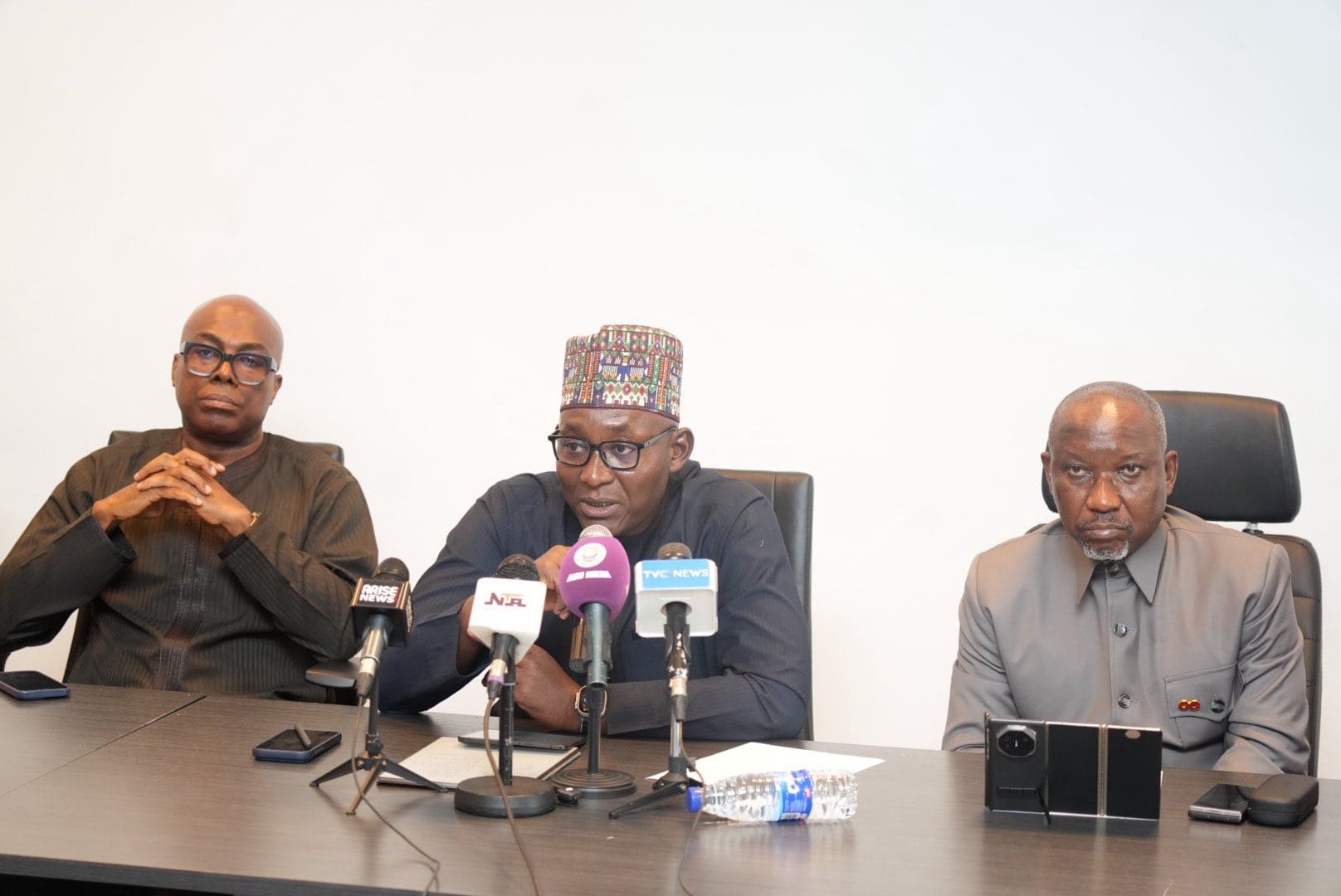
On his part, the Authority Chief Executive of NMDPRA, Mallam Rabiu Abdullahi Umar, attributed the LPG price spike to high landing costs.
Umar expressed belief that ongoing initiatives across the value chain would begin to alleviate market pressures in the coming weeks.
NMDPRA’s Executive Director, Distribution Systems, Storage, and Retailing Infrastructure (DSSRI), Mr Ogbugo Ukoha, identified infrastructure gaps, domestic supply constraints, logistics challenges, market distortions, and global supply disruptions as major factors influencing LPG pricing in his presentation at the meeting.
The Authority also reported progress following recent discussions with producers, suppliers, and terminal operators.
It said the national LPG supply sufficiency increased from 11 to 22 days, with the average daily supply rising from 4,262 metric tonnes in May 2026 to 5,040 metric tonnes in June 2026.

Victor Ezeja is a Nigerian journalist skilled in producing insightful news analyses, feature stories, and interviews that simplify complex issues and drive informed public discourse. His work combines rigorous research, balanced reporting, and compelling storytelling to highlight developments shaping industries and society. Victor, who holds a Master's Degree in Mass Communication, specializes in energy, aviation, business, and economic reporting. He can be reached via @VICTOREZEJA on X