

Fresh concerns have emerged over the transparency and accountability of Nigeria’s public finance management following revelations by the International Monetary Fund (IMF) that public expenditure equivalent to two per cent of the country’s Gross Domestic Product (GDP) was omitted from recent national budgets.
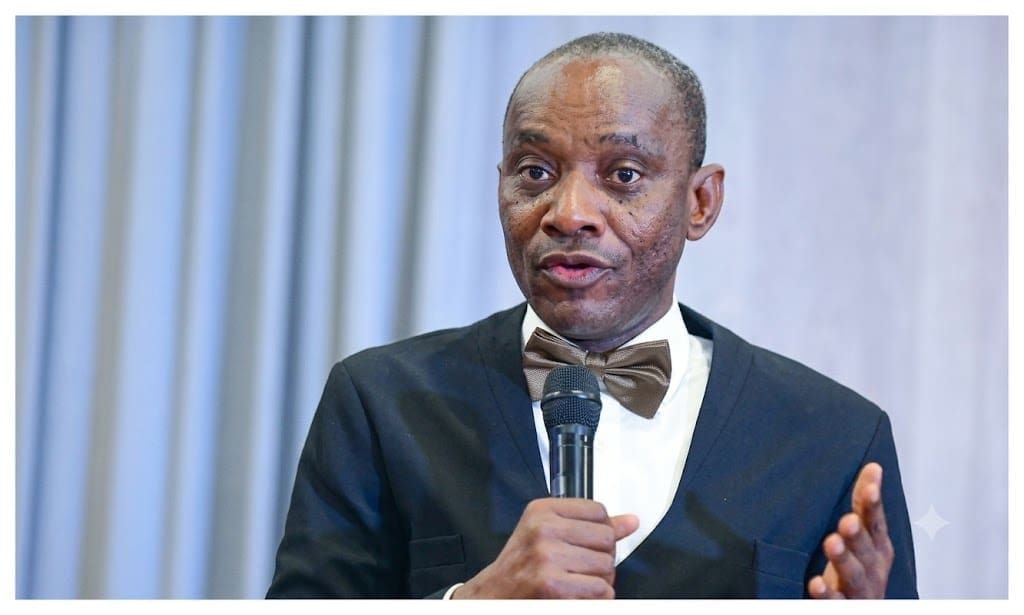
The disclosure has reignited debate over fiscal discipline, with Director of the Abuja School of Social and Political Thoughts, Sam Amadi, arguing that the Federal Government lacks a transparent and accountable public expenditure system.
Speaking during a televised interview on Sunday, Amadi reacted to the IMF’s findings, describing Nigeria’s public expenditure framework as poorly managed and lacking the transparency required to guarantee fiscal responsibility.
According to him, the country’s spending process suffers from weak oversight, inadequate accountability mechanisms and recurring violations of established financial procedures.
“To be magnanimous or fair, this government has an uncontrolled, unmanaged, not transparent and unaccountable public expenditure system,” he said.
Concerns over procurement process
Amadi cited what he described as early signs of institutional weaknesses in the current administration, recalling that at the beginning of the government, the Minister of the Federal Capital Territory (FCT) sought presidential approval to be exempted from the normal due process procurement framework.
He argued that such developments, alongside other alleged procedural lapses, raise serious questions about compliance with fiscal accountability standards.
“There are too many issues around fundamental breaches of process, and fiscal accountability is primarily about ensuring that expenditures are budgeted for, tracked and reported,” he stated.
The policy analyst maintained that without a transparent system for budgeting, monitoring and reporting government expenditure, Nigerians cannot be assured that public funds are being managed prudently.
“There is no guarantee of the prudence and integrity of Nigeria’s public expenditure,” Amadi added.
READ ALSO:
- IMF Report: FG Rules Out New Fuel, Telecom Taxes
- Key Features of the New NIMC Law on Digital Identity System
- IMF’s Stablecoin Warning Misses Nigeria’s Real Crisis
- Nigeria’s Daily Diesel Supply Rises 84.3% as Import Crashes
The Federal Government, however, has dismissed suggestions that it spent funds outside the provisions of the 2025 Appropriation Act.
Authorities insisted that all public expenditures were executed within Nigeria’s constitutional and legal framework, maintaining that government spending complied with existing financial regulations despite the IMF’s observations.
The contrasting positions have intensified scrutiny of Nigeria’s fiscal governance, with the IMF’s findings expected to fuel renewed calls for greater transparency, stronger budget oversight and stricter compliance with public financial management rules.

Esther Ososanya is an investigative journalist with Pinnacle Daily, reporting across health, business, environment, metro, Fct and crime. Known for her bold, empathetic storytelling, she uncovers hidden truths, challenges broken systems, and gives voice to overlooked Nigerians. Her work drives national conversations and demands accountability one powerful story at a time.