

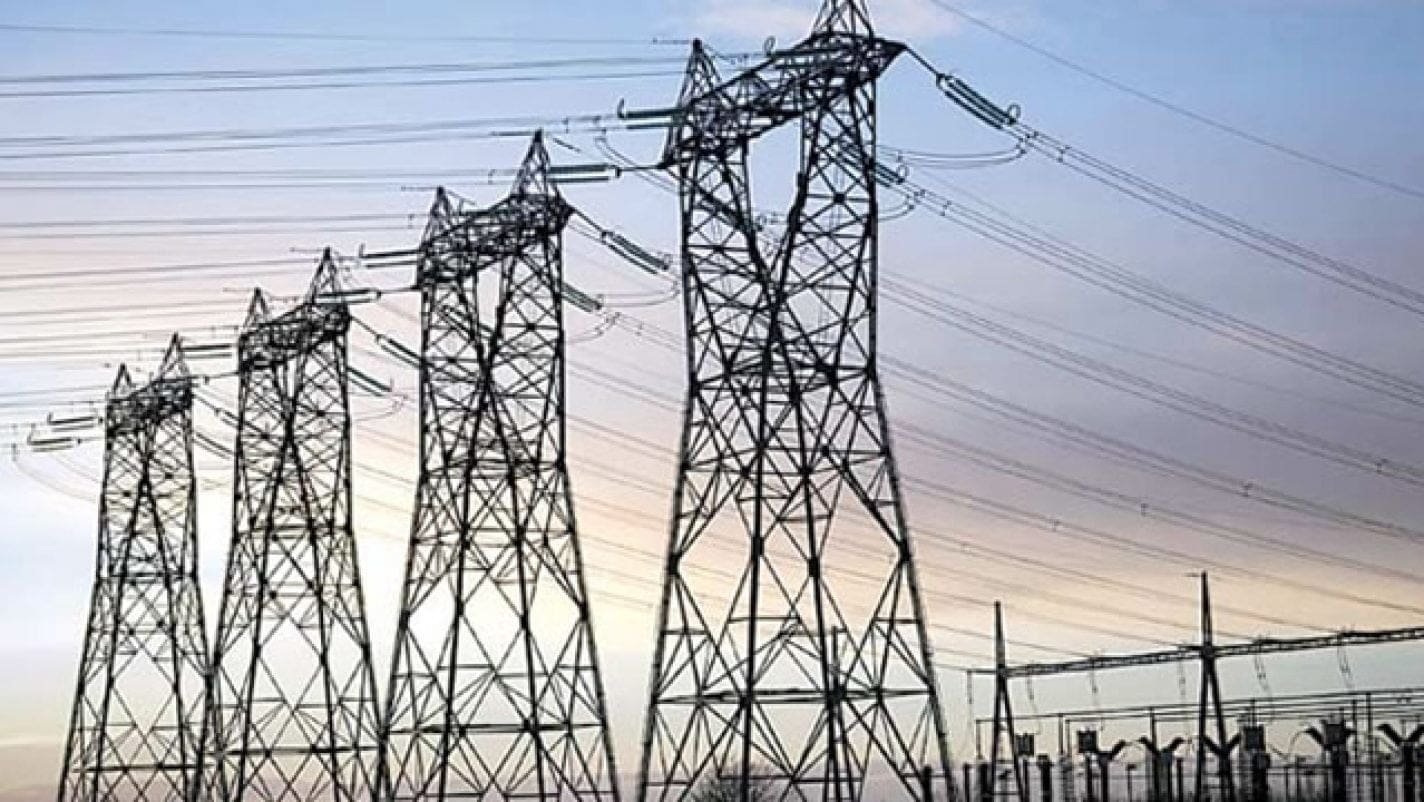
Electricity Distribution Companies (DisCos) across Nigeria have continued to grapple with load shedding across their franchise areas following a sharp drop in available power generation on the national grid.
Power generation plummeted to low levels around 800 megawatts (MW) before slightly recovering.
Real-time data from the Nigerian Independent System Operator (NISO) grid performance dashboard showed available grid generation plummeting sharply, fluctuating between 700 and 1,500 MW in the last few days, triggering widespread load shedding across the DisCos.
Pinnacle Daily’s checks revealed that at 8:15 pm on Monday, August 24, 2026, real-time data on the NISO grid performance dashboard showed power generation had dropped to 826.20MW. It increased to 1,564.66MW at 9:15, an hour later.
Distribution companies, including Eko Electricity Distribution Company (EKEDC), had issued notices during the weekend, informing customers of severe supply rationing driven by reduced grid allocations.
In a power update on Saturday, EKEDC said it was experiencing load shedding across its network due to low allocation from the power grid.
”We are experiencing load shedding across our network. This is due to low allocation from the grid.”
The DisCo later announced on Sunday, August 23, that it had received an increased power allocation from the national grid, but load shedding continues in some areas, indicating that it was still inadequate.
During the height of the disruption, as captured on the NISO Grid Performance dashboard, only eight generating plants were actively dispatching power to the grid, while several major plants recorded zero generation output.
READ ALSO:
- NISO Blames Current Power Failure on Gas Supply Shortage
- Lagos Residents Grapple with Outages as Egbin Power Shuts Down
- DisCos Lose ₦63.46bn Revenue in January amid Poor Power Supply
- Beyond Oil: Dangote Unveils 20,000MW Power Expansion Plan
Jebba Hydroelectric was the largest contributor at 483 MW, followed by Omotosho at 190.50MW, Olorunsogo at 114.10MW, Trans Afam Power at 90.50MW, Geregu Power at 70MW, Dadinkowa at 37.55MW, Omoku at 33.10MW, PARAS ENERGY at 78.70MW, Sapele Steam at 24.80MW.
However, Alaoji NIPP, Delta, Kainji, Shiroro, Egbin, Okpai and Zungeru, among others, recorded zero MW output at the time.
The loss of major thermal and hydro power stations—notably Egbin, Kainji, and Shiroro—triggered a partial system collapse before grid controllers managed to ramp up output to slightly above 1,500MW on Monday night.
The plunge in power generation significantly affected the volume of electricity available for transmission to distribution companies, forcing them to ration power supplied to customers across their network. This made many customers across DisCos experience a significant reduction in hours of power supply.
Observers attributed it to persistent gas supply deficits, which continue to constrain thermal plants that account for the vast majority of Nigeria’s grid capacity.
Also, system stability remains vulnerable to tripping due to aging transmission infrastructure.
This latest grid disturbance comes after the last grid collapse that occurred in late January this year. The first one occurred on Friday, January 23, 2026, when power generation dropped from over 4,500 MW to near 24 MW, leaving all 11 DisCos with zero allocation. Just four days later, on January 27, the second grid collapse occurred, dropping generation to 0 MW.
The country has experienced repeated grid disturbances and collapses in recent years, which continue to affect businesses and households that depend on the system for electricity supply.
As of the time of filing this report, NISO has yet to issue any statement regarding the latest sharp drop in power generation.

Victor Ezeja is a Nigerian journalist skilled in producing insightful news analyses, feature stories, and interviews that simplify complex issues and drive informed public discourse. His work combines rigorous research, balanced reporting, and compelling storytelling to highlight developments shaping industries and society. Victor, who holds a Master's Degree in Mass Communication, specializes in energy, aviation, business, and economic reporting. He can be reached via @VICTOREZEJA on X