

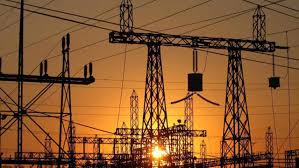
The power grid has collapsed again, causing a nationwide blackout. This comes four days after the first major incident in 2026.
Electricity supply from the grid to distribution companies (DisCos) across the country dropped to 0.00 megawatts (MW) from over 4,000MW on Tuesday morning, reflecting a nationwide power outage.
Real-time data displayed on the Nigerian Independent System Operator (NISO) Grid Performance dashboard shows that as of 12 noon, only 219.00 MW was generated by only two generating plants – Azura-Edo IPP (90MW), and Delta (129MW).
In a notice to customers, Eko Electricity Distribution Company (EKEDC), Port Harcourt Electricity Distribution Company (PHED) and Abuja DisCo confirmed that the power outage being experienced within their areas of coverage is due to grid collapse.
Eko DisCo said the grid collapse occurred at 10:48 am, resulting in the loss of power supply across its network.
It said efforts are being made in collaboration with the Transmission Company of Nigeria (TCN) to restore power to the grid.
“Kindly be informed that there was a system collapse at 10:48hrs, which has resulted in a loss of power supply across our network.
“We are currently working with our TCN partners as we hope for the speedy restoration of the grid. We will keep you updated as soon as the power supply is restored,” Eko DisCo stated in a notice posted on its X handle.
READ ALSO:
- Nigeria Records First National Grid Collapse in 2026
- GenCos Lose ₦987.92bn in Five Years Over Power Grid Failure
- Nigeria Seeks $2bn China Loan to Build ‘National Super Grid’ – Power Minister
Port Harcourt DisCo appealed to its customers to exercise patience, assuring that efforts are being made to restore power supply.
On Friday, January 23, the country experienced its first major grid collapse this year, as power generation dropped to about 14MW from over 4,500MW, causing a power outage in major parts of the country. It was later restored to about 4,000MW on Saturday, January 24.
This rapid succession of grid failures has once again plunged homes and businesses across the country into darkness.
NISO attributed the first collapse to the simultaneous tripping of major transmission lines.
As at the time of filling this report, there was no official statement from NISO on the cause of the latest grid collapse.
This follows about five major incidents in 2025, with the last collapse of the year that was recorded on December 29.
These recurring system-wide disturbances force the residents to rely on expensive fuel generators for electricity or stay in the darkness while businesses suffer.
Experts continue to attribute the failure to aging infrastructure and the need for a more decentralised energy market as the long-term solution.

Victor Ezeja is a Nigerian journalist skilled in producing insightful news analyses, feature stories, and interviews that simplify complex issues and drive informed public discourse. His work combines rigorous research, balanced reporting, and compelling storytelling to highlight developments shaping industries and society. Victor, who holds a Master's Degree in Mass Communication, specializes in energy, aviation, business, and economic reporting. He can be reached via @VICTOREZEJA on X