

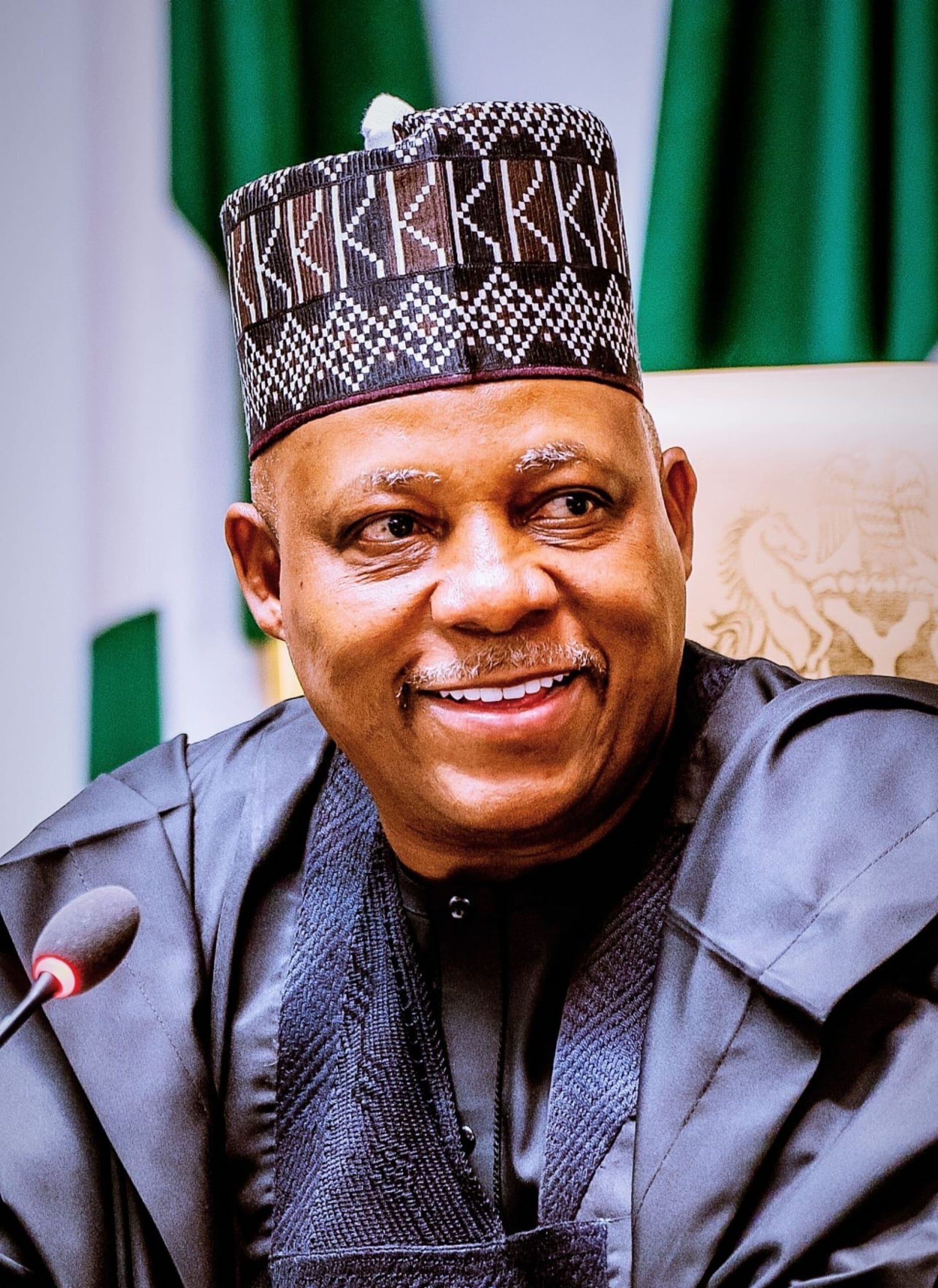
A group of environmental rights organisations focused on advancing climate justice have raised concerns over a recent call by Nigeria’s Vice President Kashim Shettima for new finance mechanisms to harness the nature economic value.
In a joint statement on Tuesday, November 11, the non-governmental organisations (NGOs) described the move as an attempt to commodify the environment, warning that such a move undermines true climate justice.
The NGOs include Corporate Accountability and Public Participation Africa (CAPPA), Health of Mother Earth Foundation (HOMEF), Environmental Rights Action/Friends of the Earth Nigeria (ERA/FoEN), Lekeh Development Foundation, and Social Action.
They argued that the proposal reflects “a concerning misinterpretation of true climate justice.”
The NGOs noted that while speaking in Belém, Brazil, at the ongoing United Nations Climate Change Conference (COP 30), the Vice President called for the creation of finance systems that would monetise the nation’s natural assets.
READ ALSO:
- How UBA Strategises on Project Financing Across Africa, Other Continents – Alawuba
- Eric Chelle Is Finally Balling?
- Nigeria, UAE to Co-Host Joint Investment Conference in Lagos — Tinubu
According to them, by suggesting that Nigeria’s forests, water bodies, land, and biodiversity should be monetised for financial gain, the country is aligning with corporate and market-driven interests rather than with the rights and aspirations of its people, especially those on the front lines of climate impacts.
“We find this framing deeply troubling because it reduces nature – our collective heritage and source of life – to a mere economic asset. This approach, often disguised under concepts like ‘nature-based solutions,’ ‘carbon markets,’ and ‘carbon offsetting,’ encourages the financialisation of the environment, turning ecosystems into speculative commodities traded for profit.
“Such schemes have historically led to the destruction of ecosystems, as they prioritise financial returns over preservation. They also disrupt local food systems by displacing smallholder farmers and indigenous communities from their ancestral lands, worsening food insecurity and rural-urban poverty,” the NGOs maintained.
The group further argued that commodifying nature not only violates human dignity and cultural rights but also strips indigenous and local peoples of their identity and traditional stewardship roles.
READ ALSO:
- Nnamdi Kanu Files Motion to Set Aside S’Court Judgment Remitting Trial to Federal High Court
- Chimamanda Adichie Serves Legal Notice to Euracare Hospital Over Son’s Death
“It opens the door to corporate capture and greenwashing, where polluting companies buy carbon credits instead of cutting emissions, continuing to destroy the planet while pretending to be ‘climate champions.’ At the same time, this model risks an erosion of national sovereignty, as it mortgages Nigeria’s ecological wealth to volatile international carbon markets and external investors,” they warned.
The NGOs urged Nigeria to resist the temptation to trade its ecological wealth for short-term financial gain, calling on the government to instead invest in building a sustainable and equitable future.
It includes prioritising renewable energy, solar, wind, and other clean technologies that are proven to be environmentally friendly and accessible to all.
It also requires supporting agroecology and community-led conservation practices that protect biodiversity while ensuring food sovereignty and resilience.
READ ALSO:
- COP30 Opens in Brazil as Lula Warns of Climate Crisis
- New Tax Regime: NUPRC, NRS Strengthen Ties to Boost Revenue Collection
The NGOs said there is need for inclusive dialogue by the government, civil society, indigenous peoples, and local communities before Nigeria advances any policy or position on environmental or climate issues.
They added that climate action “must be people-centred, rooted in justice, equity, and the protection of human and environmental rights, not dictated by the profit motives of corporations or global carbon traders.”
“We know that true climate justice demands that nature remains a shared trust, not a tradable commodity. It is the duty of the State to safeguard the environment, human culture, and dignity, not to exploit them in pursuit of inhuman market interests.”

Alex is a business journalist cum data enthusiast with the Pinnacle Daily. He can be reached via ealex@thepinnacleng.com, @ehime_alex on X