

NCDC reports eight deaths in two weeks as outbreak spreads to 23 states and 116 LGAs
Lassa fever outbreak in Nigeria has crossed a grim threshold, with the country recording 1,000 confirmed cases and 237 deaths in 2026, according to the latest epidemiological report from the Nigeria Centre for Disease Control and Prevention (NCDC).
The figures cover epidemiological weeks 29 and 30, corresponding to July 13 to 26, 2026, during which 37 new confirmed cases and eight deaths were recorded.
The latest figures also show that the cumulative case fatality rate (CFR) has climbed to 23.7 percent, meaning nearly one in every four confirmed cases has resulted in death.
This is significantly higher than the 18.8 percent CFR recorded during the corresponding period in 2025, underscoring the continuing severity of the outbreak.
37 New Cases, Eight Deaths in Two Weeks
In week 29, covering July 13 to 19, Nigeria recorded 20 new confirmed cases and two deaths, bringing the cumulative figures to 983 confirmed cases and 231 fatalities.
At the end of that week, the CFR stood at 23.5 percent, compared with 18.9 percent during the same period in 2025.
By week 30, covering July 20 to 26, another 17 confirmed cases and six deaths were reported.
The additional cases pushed the national total to 1,000, while fatalities rose to 237.
The number of affected Local Government Areas also increased from 114 to 116 LGAs across 23 states.
Five States Account for 86% of Cases
The outbreak remains heavily concentrated in five states Ondo, Bauchi, Taraba, Edo and Benue which together account for 86 percent of all confirmed cases.
Ondo has recorded the largest share, accounting for 32 percent of confirmed infections.
It is followed by Bauchi with 25 percent, Taraba with 13 percent, Edo with 10 percent, and Benue with six percent.
The remaining 14 percent of confirmed cases are spread across 18 other states.
The concentration of cases in a handful of states continues to place pressure on surveillance, diagnosis, treatment and outbreak-response systems in the affected areas.
Young Adults Remain Most Affected
The latest figures also highlight the age profile of those affected.
People aged 21 to 30 years remain the most affected age group, with the median age of confirmed cases standing at 30 years.
However, the disease continues to affect a much wider age range.
Confirmed cases have been recorded among people aged from one to 93 years, showing that Lassa fever remains a threat across virtually all age groups.
The male-to-female ratio among confirmed cases stands at 1:0.9, indicating a relatively even distribution between both sexes.
Healthcare Worker Infection Recorded
While no new healthcare-worker infection was reported in week 29, the situation changed in week 30, when one healthcare worker tested positive.
The development highlights the occupational risk faced by health professionals and caregivers involved in managing suspected and confirmed cases.
Healthcare workers and caregivers remain particularly vulnerable where infection-prevention and control measures are inadequate, especially during the early stages of diagnosis when Lassa fever may resemble other febrile illnesses.
What Is Driving the Concern?
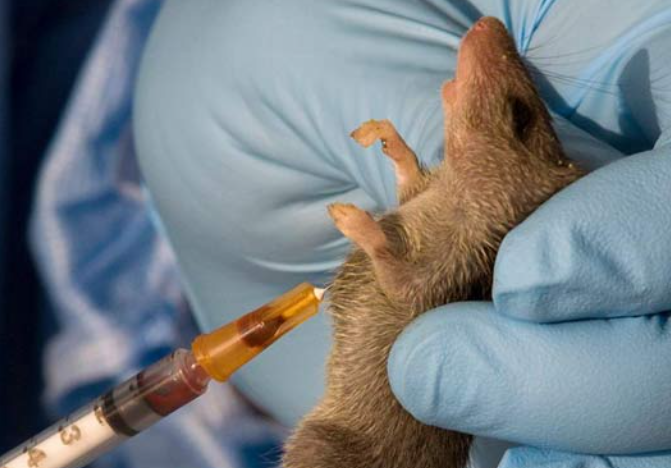
Lassa fever is primarily associated with the Mastomys rodent, which serves as the main reservoir of the virus.
Human infection can occur through exposure to food or household items contaminated by infected rodents.
The virus can also spread from person to person, particularly through contact with the blood, urine, faeces or other bodily fluids of an infected person.
This makes early detection and infection-control measures critical, particularly within healthcare facilities.
READ ALSO:
- Nigeria’s FDI Jumps 148%, But Investment Challenges Persist
- NCDC Raises Alert Over Cholera Risk as NiMet Forecasts Flooding in 10 States
- Ampiclox as Contraceptive Threatens Fertility, Health System in Nigeria
- Lassa Fever Death Toll Rises to 176 in Nigeria — NCDC
The NCDC says the National Lassa Fever Multisectoral, Multi-Partner Technical Working Group will continue coordinating the national response.
Its activities include surveillance, containment, environmental sanitation campaigns and the provision of healthcare logistics.
The agency is also urging Nigerians to strengthen preventive measures aimed at reducing contact with rodents and limiting human-to-human transmission.
Residents are advised to keep their surroundings clean and dispose of refuse properly to reduce conditions that attract rodents.
Food should be stored in rodent-proof containers, while openings through which rodents can enter homes should be properly sealed.
The agency also advises residents to avoid handling or consuming wild rodents.
For suspected Lassa fever cases, the NCDC says early detection, immediate isolation and the appropriate use of personal protective equipment by healthcare workers and caregivers remain essential to preventing further transmission.
The warning comes as the country’s cumulative case fatality rate remains substantially higher than the corresponding figure recorded in 2025.
With cases now reported across 23 states and 116 LGAs, the latest figures suggest that Lassa fever remains a significant public-health challenge despite ongoing surveillance and response efforts.
The increase from 983 to 1,000 confirmed cases in just one week and from 231 to 237 deaths means Nigeria’s Lassa fever response is entering another critical phase.
For affected communities, the message from health authorities remains clear: reduce rodent exposure, identify suspected infections early and prevent transmission before the disease moves further through households and healthcare facilities.

Esther Ososanya is an investigative journalist with Pinnacle Daily, reporting across health, business, environment, metro, Fct and crime. Known for her bold, empathetic storytelling, she uncovers hidden truths, challenges broken systems, and gives voice to overlooked Nigerians. Her work drives national conversations and demands accountability one powerful story at a time.