

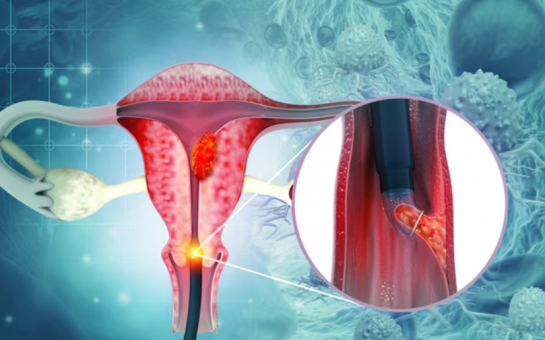
Africa may fail to eliminate cervical cancer as a public health threat unless countries expand Human Papillomavirus (HPV) vaccination to include older women excluded from early immunisation programmes.
MSD South Africa and Africa Health Business issued the warning, saying millions of women across the continent remain unprotected despite the availability of effective vaccines.
An analysis shared by the African Media Agency (AMA) shows that cervical cancer remains one of the leading causes of cancer deaths among women worldwide, even though vaccination and early screening can prevent it.
The World Health Organisation (WHO) reports that over 94 per cent of cervical cancer deaths occur in low- and middle-income countries. Sub-Saharan Africa carries the heaviest burden, with nearly one in four women living with HPV infection.
Vaccination Gaps Leave Older Women at Risk
Available HPV vaccines can prevent almost 90 per cent of cervical cancer cases. However, most national programmes focus only on girls aged nine to 14, leaving older women without protection.
The WHO launched its global cervical cancer elimination strategy in 2018, targeting vaccination, screening and treatment. The goal is to vaccinate 90 per cent of girls by age 15. While many African countries now run school-based programmes, coverage remains uneven.
Rwanda stands out as a success story, achieving over 90 per cent vaccination coverage after launching its programme in 2011. Still, women who were too old to qualify at the time remain vulnerable.
READ ALSO:
-
Immunisation Campaign: Gates Foundation, Others Target Two Million Unreached Nigerian Children
-
The Silent Killer Among Us: Nigeria’s Hidden War Against Hepatitis B
-
20 Million Children Missed Key Vaccinations in 2024-WHO
-
Nigeria Faces Triple Disease Burden, Health Ministry Warns
The report highlights the increased risk for women living with HIV. Weakened immune systems make them more likely to develop persistent HPV infection and faster disease progression. Sub-Saharan Africa has the highest HIV prevalence among women globally.
MSD South Africa and Africa Health Business say sexually active women over 15 can still benefit from HPV vaccination, especially when combined with regular screening. They urge governments to introduce catch-up vaccination for older adolescents and adult women.
Only 29 of Africa’s 54 countries have national HPV vaccination programmes. Regional coverage stands at about 52 per cent, far below the WHO’s 90 per cent target.
Nigeria’s Cost Barrier
In Nigeria, women above the age for free vaccination can only access HPV vaccines through private clinics. A single dose of Gardasil 4 costs about ₦40,000, with three doses needed over six months.
The organisations say Africa can eliminate cervical cancer. However, without clear policies to protect women excluded from early vaccination programmes, the continent risks missing the global target.

Esther Ososanya is an investigative journalist with Pinnacle Daily, reporting across health, business, environment, metro, Fct and crime. Known for her bold, empathetic storytelling, she uncovers hidden truths, challenges broken systems, and gives voice to overlooked Nigerians. Her work drives national conversations and demands accountability one powerful story at a time.