

Nigeria’s long-standing debate over state policing has gained renewed momentum, as policymakers and security experts intensify discussions on how to decentralise the country’s security architecture to address escalating insecurity across the federation. The proposal, which has been widely discussed for years, now appears to be entering a more active phase under the current administration.
President Bola Tinubu has consistently signalled support for the establishment of state police, positioning it as a key reform in tackling Nigeria’s complex security challenges. His administration has, in recent months, engaged governors and security stakeholders in high-level consultations aimed at building consensus around the proposal.
However, experts warn that beyond political support, the path to implementation remains steep and constitutionally demanding.
National Assembly Under Pressure To Deliver Key Amendments
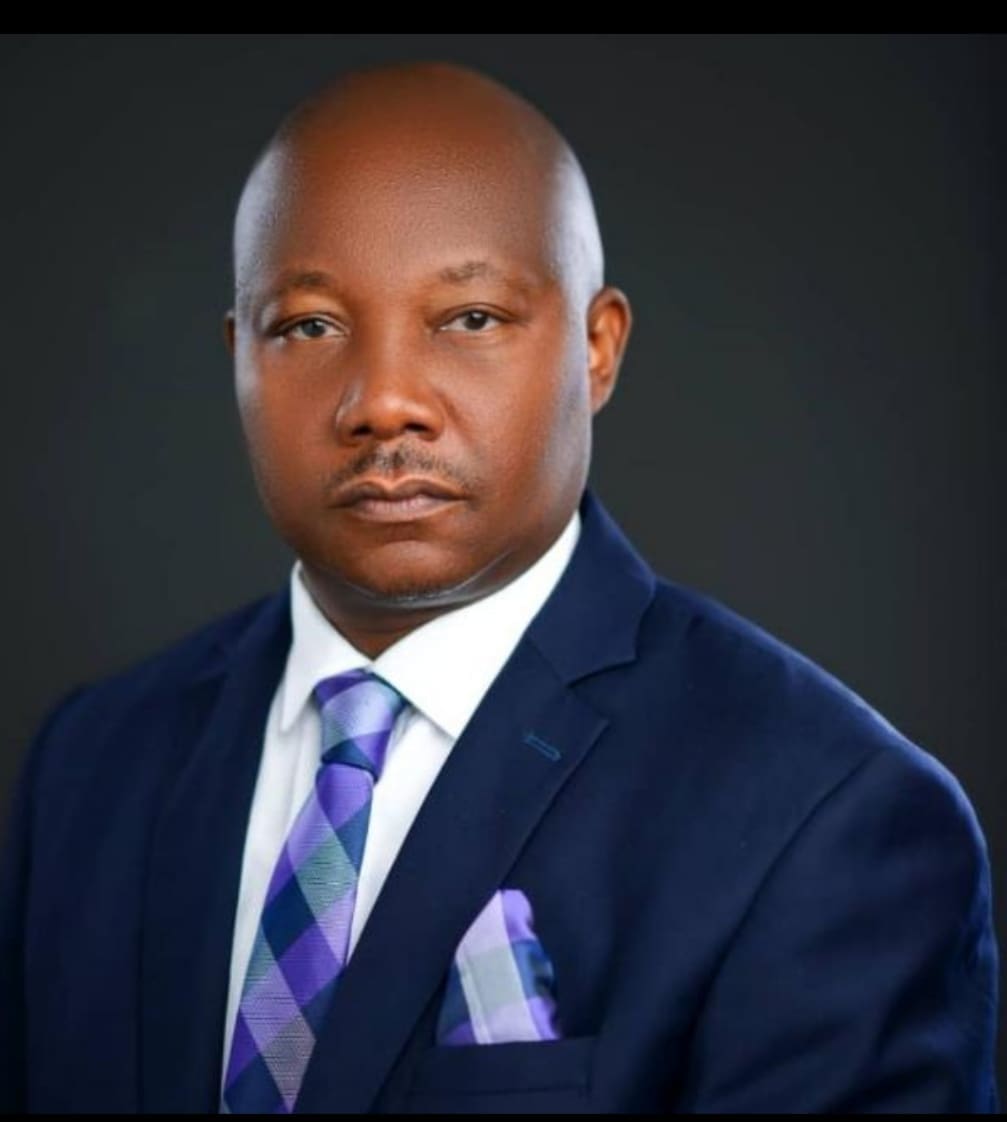
Security analyst Steven Okwori, speaking exclusively with Pinnacle Daily, said the most critical step is the constitutional amendment. According to him, state policing cannot exist unless specific provisions of the 1999 Constitution (as amended) are reviewed and altered to allow for decentralised policing powers.
“The Constitution is the foundation. Without amending it, state police cannot be legally established,” Okwori explained, stressing that the National Assembly must take the lead in driving the amendment process.
Despite the urgency of the issue, Okwori questioned the pace of legislative action, noting that since 2023, there has been limited visible progress in pushing the required constitutional changes through both chambers of the National Assembly.
IGP Sets Up Committee, Sparks Debate Over Representation
In a bid to accelerate discussions, the Inspector-General of Police, Olatunji Disu, constituted a high-level committee, which has been a month now, to examine the framework for establishing state police. The committee, made up largely of senior police officers and chaired by a civilian, The seven-man committee is led by Professor Olu Ogunsakin as chairman and was tasked with developing a working template for implementation.
Meanwhile, on the 26th of March 2026, the Inspector-General of Police submitted a comprehensive framework for the establishment of state police to the Deputy President of the Senate, Barau Jibrin, as part of ongoing efforts to decentralise policing in Nigeria.
The framework was presented on Thursday at the National Assembly in Abuja to Senator Jibrin, who also chairs the Senate Committee on the Review of the 1999 Constitution.
According to a statement signed by the Special Adviser to the Deputy President of the Senate on Media and Publicity, Ismail Mudashir, the 75-page document was submitted on behalf of the IGP by Professor Olu Ogunsakin, who chairs the committee set up by the Nigeria Police Force to examine modalities for the creation of state police.
However, Okwori criticised the composition of the committee, arguing that it was not broad-based enough to capture the diverse realities of Nigeria’s security landscape. He maintained that governors, traditional rulers, and private security experts should have been included to ensure a more inclusive and practical framework.
“State policing is not a police-only conversation. It is a governance issue that requires multiple stakeholders,” he said.
Okwori emphasised that governors, who will ultimately fund and manage state police structures, must play a central role in shaping the policy. He also called for the inclusion of traditional rulers, especially those in rural communities, noting that they remain critical to grassroots intelligence and community-based security systems.
According to him, excluding such stakeholders could weaken the effectiveness of any eventual state policing model.
Funding Challenges Raise Doubts Over State Police Viability
Beyond structural concerns, funding remains a major challenge. Okwori noted that Nigeria’s federal structure means that not all states are financially equipped to sustain independent policing systems.
“There are states that depend heavily on federal allocations. How will they fund, train, and equip a state police force?” he asked, warning that disparities in financial capacity could lead to uneven security outcomes across the country.
He further highlighted concerns about political misuse of state police, cautioning that without strong oversight mechanisms, state governors could potentially exploit local police forces for political purposes.
However, he argued that such risks should not derail the initiative but rather inform the design of robust accountability frameworks.
Okwori also drew attention to the importance of police welfare in achieving effective security operations. He noted that Nigeria’s federal police, established in 1930 and approaching nearly a century of existence, still grapple with welfare, logistics, and operational challenges.
READ ALSO:
- Security Expert- Okwori Warns FG Against Snail-Speed Response as Terror Toll Mounts
- Night of Terror in Jos As Gunmen Attack Plateau Community, Casualties Feared
- FG: Jos Killings Not a Sign of National Security Breakdown — Idris
- How Money Laundering Empires Feed Violence in Nigeria
“If the federal police are still facing welfare issues after 96 years, we must be deliberate about how we structure and sustain state police to avoid similar challenges,” he said.
He stressed that motivation, adequate remuneration, and proper logistics are key to ensuring that security personnel remain professional and committed to duty.
Meanwhile, Nigeria continues to face a worsening security crisis. Okwori warned that over 1,000 Nigerians were reportedly killed in the first quarter of 2026 alone, adding that thousands more remain victims of kidnapping and violent attacks across various regions.
“Enough Of Speeches”—Analyst Demands Immediate Implementation
He called for immediate action, urging government authorities to move beyond rhetoric and focus on implementation.
“Enough of speeches. Nigerians are dying every day. We need action, not promises,” he said.
The analyst also referenced ongoing federal initiatives, including the proposed deployment of forest guards to secure Nigeria’s vast and often ungoverned forest regions. He, however, insisted that such initiatives must be properly armed, trained, and sustained to be effective.
He concluded by calling for a shift from reactive to proactive security strategies, warning that criminal groups are continuously adapting and exploiting gaps in Nigeria’s security architecture.
“We must stop reacting to crime. We must anticipate it, prevent it, and stay ahead of those who threaten our peace,” Okwori said.
As the debate continues, Nigeria stands at a critical crossroads. While political support for state policing appears to be growing, the real test lies in translating discussions into actionable reforms that can withstand constitutional scrutiny and deliver lasting security for millions of Nigerians.

Esther Ososanya is an investigative journalist with Pinnacle Daily, reporting across health, business, environment, metro, Fct and crime. Known for her bold, empathetic storytelling, she uncovers hidden truths, challenges broken systems, and gives voice to overlooked Nigerians. Her work drives national conversations and demands accountability one powerful story at a time.