

By Ubong Usoro
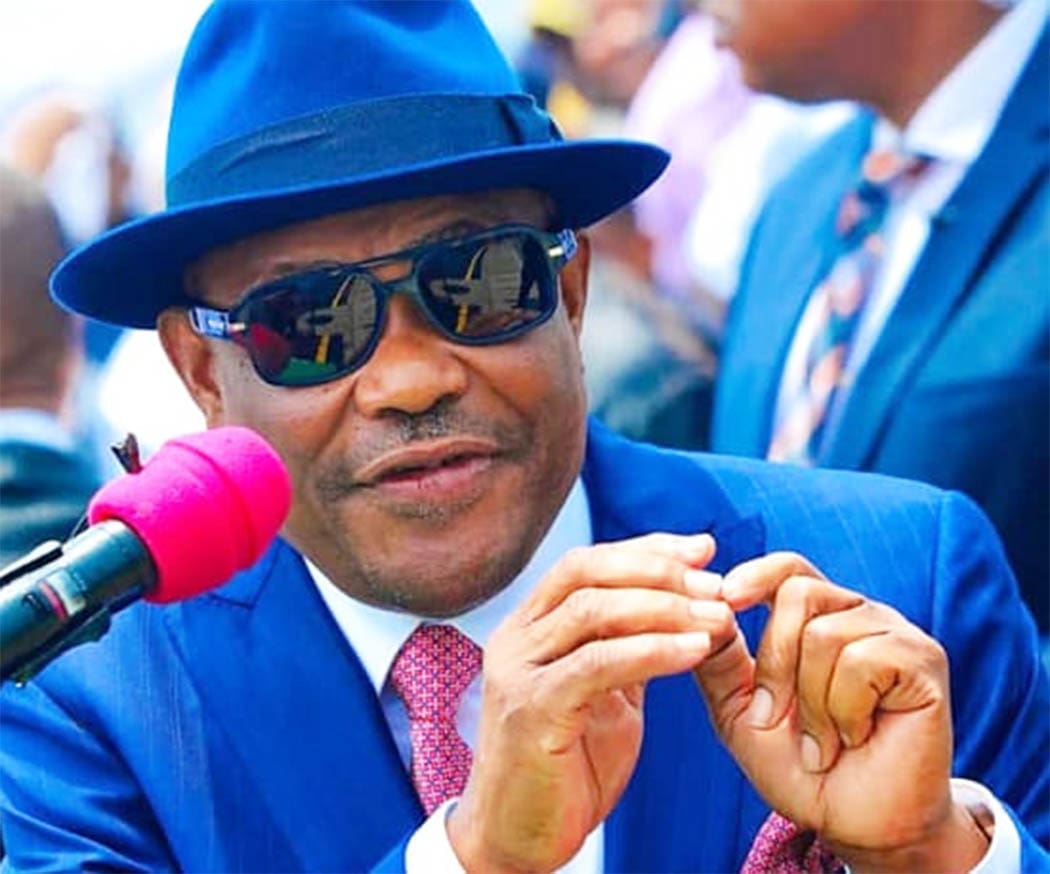
The Minister of the Federal Capital Territory (FCT), Nyesom Wike, has attributed the ongoing strike by primary school teachers in Abuja to the constitutional autonomy of local government councils.
He argued that this autonomy restricts his office from intervening effectively.
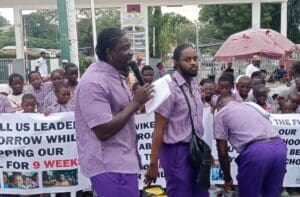
Speaking during a press briefing in Abuja, Wike voiced frustration over the prolonged closure of public primary schools, which has lasted more than three months.
He criticised the area councils for failing to meet their obligations, despite multiple interventions by the FCT Administration.
“It’s not our responsibility. It’s the responsibility of the local government councils,” he said. “Several times, we’ve had to intervene. Have you heard of any strikes in schools directly managed by us?”
READ ALSO: https://thepinnacleng.com/news/wike-hails-tinubu-says-fct-ro
Local Autonomy and Financial Bottlenecks
Wike highlighted that the FCT Administration had stepped in recently, covering 60% of teachers’ salary arrears through a bailout. However, the financial independence of area councils and their limited revenue base, he said, have stalled sustainable solutions.
He added, “The federal government sets a minimum wage for everyone without considering the unique capacity of each council. Many of them simply can’t cope.”
Wike urged journalists and the public to investigate the actual allocations and Internally Generated Revenue (IGR) of the councils responsible for paying the teachers.
Tactical Withholding of Funds
In a move he described as necessary but unconventional, Wike admitted to withholding 10% of IGR allocations from the councils in May and June. Though not legally supported, he justified the action as being in the public’s interest.
“I said, ‘Don’t release it yet. Let’s calculate and see what we can contribute. I did this with their consent, in the public interest.”
He also acknowledged that the FCT lacks its own state assembly, relying instead on the National Assembly for legislative amendments. This limitation, he said, further complicates quick solutions.
Education Must Not Wait
Justifying his actions, Wike emphasised that the education of children should not be delayed because of legal technicalities.
“Waiting for the law to be amended could take a year. Should our children stay at home all that time?” he asked. “We must act, even if it stretches constitutional boundaries.”
₦18 Billion Demand Stalls Negotiations
According to Wike, the teachers are demanding ₦18 billion, which the area councils insist they cannot afford. The strike continues to affect thousands of schoolchildren across the territory and has intensified public debate over how Nigeria funds and governs its basic education system.
