

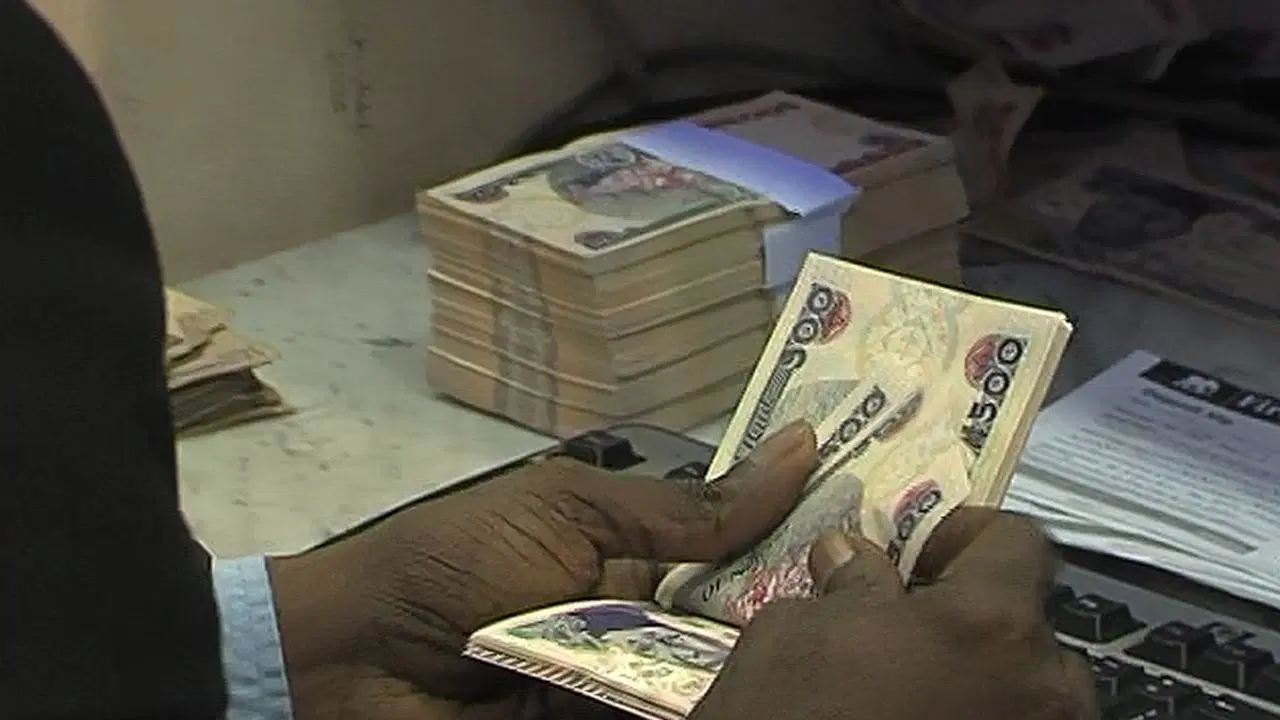
Credit to Nigeria’s private sector rose by 2.8 per cent month-on-month to N83.3 trillion in June 2026, from N81 trillion in May, amid a broader expansion in domestic credit and money supply.
The latest Money and Credit Statistics released by the Central Bank of Nigeria (CBN) showed that the increase in private sector lending was accompanied by a marginal contraction in credit to the government.
Government credit falls marginally
According to the apex bank, credit to the government declined by 0.99 per cent to N40 trillion in June, compared with N40.4 trillion in May.
The decline came despite the federal government’s continued borrowing activities to finance its N23.85 trillion budget deficit.
With the contrasting movements in private and government-sector credit, net domestic credit increased by 1.5 per cent to N123.3 trillion in June, up from N121.42 trillion in the preceding month.
The money supply expands
The expansion in domestic credit also coincided with a significant increase in Nigeria’s broad money supply, M².
The CBN data showed that broad money supply rose by 3.09 per cent month-on-month to ₦133.2 trillion in June, from ₦129.2 trillion in May.
The growth was largely driven by an eight per cent surge in quasi-money, which increased from N84.6 trillion in May to N88.5 trillion in June.
Other components of the money supply also recorded marginal increases during the period.
Narrow money rose by 0.22 per cent to N44.7 trillion from N44.6 trillion, while demand deposits increased by 1.02 per cent to N39.8 trillion from N39.4 trillion.
READ ALSO:
- CBN Has a New Master Plan for Your Money, Bets on Faster Payments
- CBN Rolls Out NOFR to Reset Nigeria’s Money Market Benchmark
- CBN Orders Banks to Deploy Automated Anti-Money Laundering Systems in 18 Months
- How Nigerians Can Earn Rental Income Without Owning Property
In contrast, currency in circulation outside the banking system fell by 5.7 per cent to N4.9 trillion in June, from N5.2 trillion in May.
The decline suggests a possible shift towards greater use of the formal banking system, as more liquidity moves through bank accounts and other formal financial channels.

Esther Ososanya is an investigative journalist with Pinnacle Daily, reporting across health, business, environment, metro, Fct and crime. Known for her bold, empathetic storytelling, she uncovers hidden truths, challenges broken systems, and gives voice to overlooked Nigerians. Her work drives national conversations and demands accountability one powerful story at a time.