

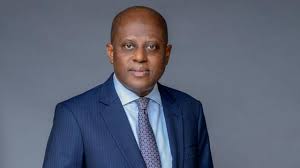
Nigeria’s foreign-exchange market daily turnover has reached $500 million, while spreads between official and parallel markets have narrowed to less than 2%.
The CBN Governor, Olayemi Cardoso disclosed this during the 303rd Monetary Policy Committee (MPC) meeting, the final MPC session for 2025 held in Abuja. CBN Governor Olayemi Cardoso revealed that
Twelve months ago, Nigeria’s foreign-exchange market was synonymous with chaos, wild speculation, chronic scarcity, and sharp policy reversals. Today, the story has changed dramatically.
The Governor credited the turnaround to systemic transparency through the EFEMS platform, which allows market participants to see exactly who is buying and selling:
“Everybody can see everyone else’s positions. That transparency gives confidence. And confidence stabilises the currency.”
READ ALSO: Why CBN May Further Cut Rate at November’s MPC Meeting
The FX market now operates largely independently, based on the principle of willing buyers and willing sellers, without the heavy-handed interventions of the past.
“On many days, the CBN does not intervene at all. Yet turnover remains strong. That era where nothing happened unless the CBN sold dollars is gone,” he added.
READ ALSO: Nigeria Week Ahead: CBN Decision, UK Autumn Budget, and & US Data in Focus
Beyond technical metrics, the FX stabilisation has restored a sense of confidence and pride. Travellers now use naira-linked cards abroad with ease, and businesses engage international partners more confidently. “Nigerians are proud to hold the naira again,” Governor Cardoso emphasised.
For a currency once associated with instability, Nigeria’s FX market now reflects a structural shift that could define economic stability in 2026 and beyond.

Esther Ososanya is an investigative journalist with Pinnacle Daily, reporting across health, business, environment, metro, Fct and crime. Known for her bold, empathetic storytelling, she uncovers hidden truths, challenges broken systems, and gives voice to overlooked Nigerians. Her work drives national conversations and demands accountability one powerful story at a time.