

The Federal Government says Nigeria could save over ₦3 trillion annually in foreign exchange by blending bioethanol with Premium Motor Spirit (PMS). The initiative is designed to reduce the country’s reliance on imported fuel while strengthening domestic agriculture and industry.
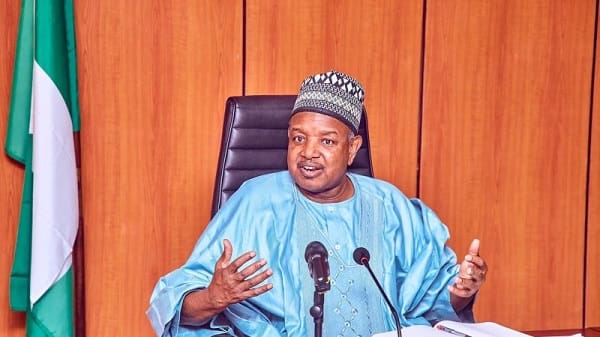
Minister of Budget and Economic Planning, Senator Abubakar Atiku Bagudu, announced the plan at a capacity-building workshop in Enugu for stakeholders in the Cassava Bioethanol Value Chain Development Project in the South East.
Represented by the ministry’s Director of Economic Growth, Mr. Auwal Mohammed, Bagudu said the project will place millions of smallholder farmers at the centre of a new growth strategy for cassava.
READ ALSO:
- FG Disburses ₦152bn to Verified Local Contractors, Pledges More
- Invest ₦50m in latest FGN Bond, Earn ₦11.3m Yearly, Unlock ₦163m in 10 years
- FG Hires US Lobbying Firm for $9M to Promote Christian Protection Efforts
- DMO Offers Higher Rates on January 2026 FGN Savings Bonds
The government plans to empower about 14 million farmers to participate across the cassava value chain, from cultivation to processing and distribution.
Bagudu explained that the project aligns with Nigeria’s national Bio-Economy Policy, moving beyond simple ethanol production toward a circular economy model. “We are looking at the entire value chain, from high-quality stems and starch to the CO2 captured during fermentation and the animal feeds produced from distillery grains,” he said.
The initiative will combine agricultural innovation, private sector investment, and institutional support through a Triple-Helix knowledge transfer partnership. It will focus on high-yield, disease-resistant cassava varieties, attracting investments, facilitating technology access, and ensuring supportive infrastructure and policies for sustainable growth.

Esther Ososanya is an investigative journalist with Pinnacle Daily, reporting across health, business, environment, metro, Fct and crime. Known for her bold, empathetic storytelling, she uncovers hidden truths, challenges broken systems, and gives voice to overlooked Nigerians. Her work drives national conversations and demands accountability one powerful story at a time.