

For years, Nigerian soldiers battled terrorists, bandits and insurgents while earning less than the national minimum wage. The Federal Government has now doubled the least-paid soldier’s salary to ₦100,000 and is pushing for another increase. But will better pay translate into better security?
As dawn breaks across Nigeria, thousands of soldiers leave their barracks for some of the country’s most dangerous frontlines. They head into dense forests, isolated villages and volatile communities where terrorists, armed bandits, kidnappers and other criminal groups continue to threaten lives and national security.
In the North-East, troops battle Boko Haram and ISWAP insurgents. Across the North-West, they confront heavily armed bandits who have turned vast forests into criminal strongholds. In the North-Central, they respond to violent attacks on rural communities, while in the South-East they tackle separatist violence. In the Niger Delta, they protect critical oil infrastructure from vandals and crude oil thieves.
For many of these men and women, deployment means spending weeks or even months away from their families. For some, it is a journey from which they may never return.
Yet until recently, many of the soldiers entrusted with these life-threatening assignments earned just ₦49,000 a month, less than Nigeria’s ₦70,000 national minimum wage, despite carrying the enormous responsibility of defending the country’s territorial integrity.
That stark contradiction has reignited a national conversation about how Nigeria values those who risk their lives in its defence.
That changed when the Federal Government approved an increase in the minimum salary for military personnel to ₦100,000, with indications that another review could soon follow.
Announcing the development during a training and financial empowerment programme for widows and wives of service personnel at Lungi Barracks, Abuja, the Minister of Defence, Gen. Christopher Musa (retd.), said the salary review was initiated during his tenure as Chief of Defence Staff to improve troop welfare and recognise their sacrifices in defending the country.
He disclosed that discussions were already underway with President Bola Tinubu for another upward review, even as retired military officers continue to push for a minimum monthly salary of ₦250,000 for the least-paid soldier.
Will paying soldiers more translate into better security for Nigerians?
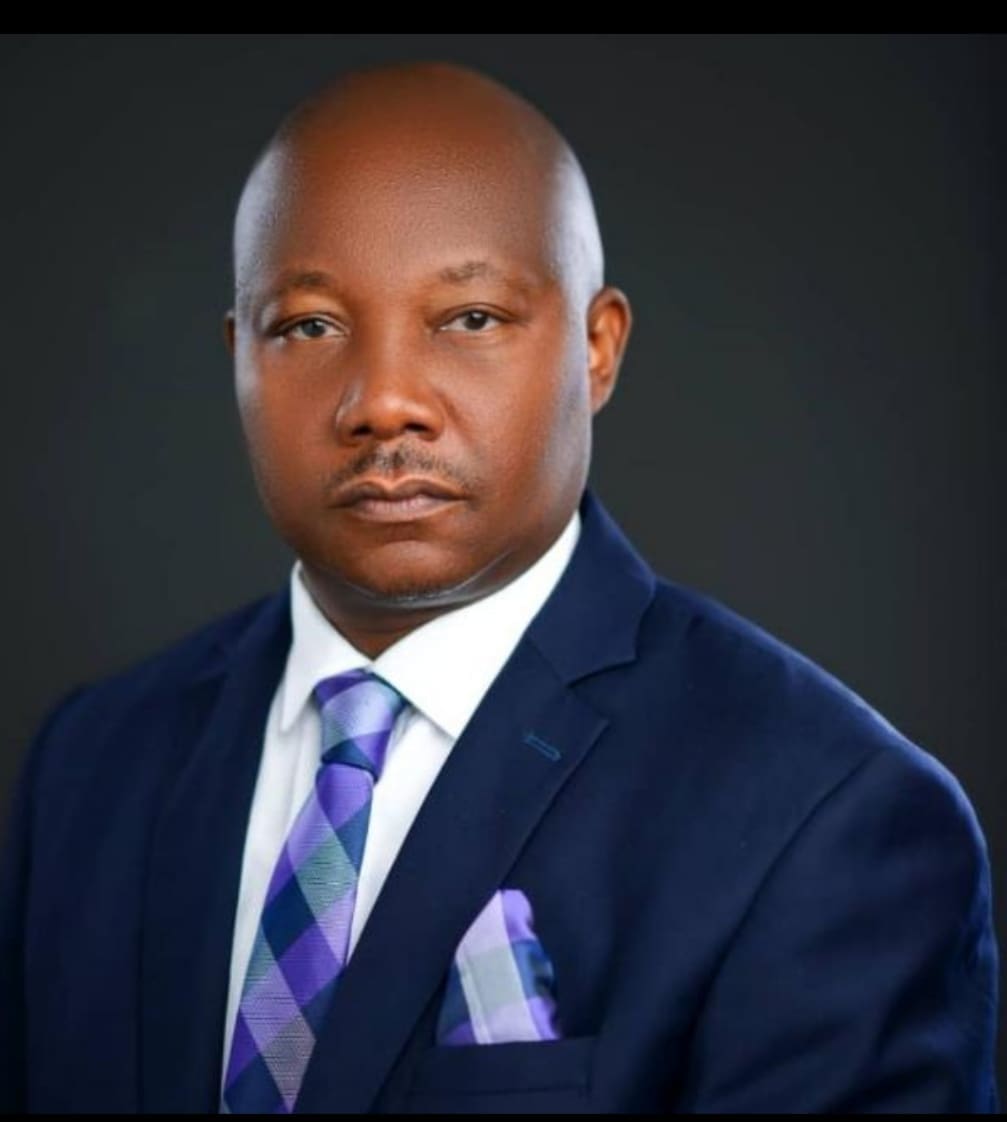
For Defence and Security Expert Dr. Steve Okwori, the answer is both yes and no.
Speaking exclusively with Pinnacle Daily, Okwori described the salary increase as a welcome and necessary intervention but cautioned against viewing it as a silver bullet capable of ending Nigeria’s security challenges.
Instead, he argues that remuneration is only one part of a much broader security ecosystem.
From a security and strategic studies perspective, Okwori believes the salary review is one of the most significant welfare interventions for Nigerian troops in recent years.
“The salary increase is a positive policy intervention,” he said. According to him, the decision represents an acknowledgement by government that soldiers had been significantly underpaid despite operating on the country’s most dangerous frontlines.
Before the increase, he noted, many soldiers earned below Nigeria’s minimum wage even though they routinely confronted terrorists, kidnappers, armed bandits and other violent criminal groups.
He questioned the fairness of expecting troops to risk their lives daily while earning less than many public servants working in relatively safer environments.
“Imagine a soldier on the battlefield earning less than the national minimum wage while another civil servant working in an office earns more. Where is the fairness?” he asked.
For Okwori, correcting that imbalance was long overdue.
Questions Over Implementation
Despite welcoming the government’s decision, the security expert expressed concern that implementation of the new salary may not yet be uniform.
He cited a viral protest video in which the wife of a serving soldier alleged that her husband had not received the revised salary despite the government’s announcement.
Although Pinnacle Daily could not independently verify the claim, Okwori said such reports highlight the importance of ensuring that welfare policies announced by government are fully implemented.
“It is not enough to announce an increase. The welfare package must reach those for whom it is intended,” he said.
He urged authorities to ensure transparency in implementing the new salary structure, warning that delays or inconsistencies could undermine the confidence the policy was intended to build.
While many Nigerians view the salary increase primarily as a financial decision, Okwori believes its implications extend far beyond soldiers’ monthly earnings.
Unlike many civilian workers, he explained, military personnel spend prolonged periods on operational deployment, often away from their families and without opportunities to supplement their income through farming, business or other economic activities.
At the same time, they face the same economic realities affecting every Nigerian household.
Food prices continue to rise. Transportation costs have increased significantly. School fees are climbing. Housing has become more expensive.
Against this backdrop, Okwori argues that troop welfare should be seen as a strategic investment rather than merely an employment benefit.
“If soldiers are constantly worried about feeding their families, paying school fees or meeting basic household needs, it becomes difficult for them to concentrate fully on protecting the country,” he said.
According to him, better welfare enables soldiers to focus on their operational responsibilities rather than their financial struggles.
Why Welfare Matters to National Security
For decades, analysts have linked poor troop welfare to declining morale within the Armed Forces.
Okwori shares that assessment.
He believes improved remuneration can strengthen commitment, increase motivation and encourage personnel to remain in service.
A motivated soldier, he argues, is more likely to stay focused during dangerous assignments than one battling severe financial hardship.
“Troops need to be motivated,” he said.
“They need to know that the country appreciates the sacrifices they are making.”
However, he quickly cautions that motivation alone cannot defeat terrorism or banditry.
The salary increase, he says, should be regarded as the foundation of broader military reforms, not the reforms themselves.
While improved salaries may boost morale, the Defence and Security Expert says Nigeria’s military can only deliver better security if government also fixes intelligence, logistics, equipment and troop welfare.
By the time the Federal Government announced the increase in soldiers’ minimum salary from ₦49,000 to ₦100,000, many Nigerians assumed better welfare would naturally translate into improved security.
For Dr. Steve Okwori, however, that expectation oversimplifies a far more complex reality. The security expert said salary is only one of several factors that determine whether a military can effectively confront terrorism, banditry and other security threats.
“Remuneration is an important component of military effectiveness,” he said.
“But it is not the only element within a broader ecosystem of personnel welfare, institutional capacity and operational readiness.”
According to him, while the salary review deserves commendation, Nigerians should avoid measuring its success solely by the amount soldiers take home at the end of the month.
Okwori insists that no military becomes more effective simply because salaries increase.
Instead, he argues that military success depends on how well several critical components work together.
These include effective leadership, regular troop training, quality intelligence gathering, modern equipment, reliable logistics, operational readiness and adequate welfare.
“Government must provide the relevant supporting elements that troops need to work with,” he said.
“A soldier may be highly motivated, but without intelligence, logistics and modern equipment, that motivation alone cannot produce victory.”
According to him, improving salaries without strengthening these operational capabilities risks creating unrealistic expectations among Nigerians who may anticipate immediate security improvements.
The country’s security challenges, he pointed out, require a comprehensive strategy rather than a single welfare intervention.
Why Soldiers Cannot ‘Find Another Job’
Unlike many workers facing economic hardship, Okwori noted that soldiers have little opportunity to supplement their income.
Military deployments often keep personnel away from their families for weeks or months, making farming, trading or other side businesses virtually impossible.
“They need to concentrate on the assignment given to them,” he said.
“They cannot abandon military operations to look for another source of income.”
That reality, he argued, makes adequate welfare even more important.
With inflation driving up food prices, transportation costs, school fees and rent, many military families continue to struggle despite the recent salary adjustment.
He believes the government must constantly review troop welfare to ensure soldiers are not distracted by financial pressures while carrying out dangerous assignments.
One of the strongest arguments for improving military welfare, according to Okwori, is its potential impact on morale and retention.
He believes better welfare can reduce frustration among personnel and encourage more soldiers to remain in service.
“There are situations where soldiers return from operations and immediately resign,” he said.
“Some don’t even complete the process. They simply disappear.”
While acknowledging that desertion has multiple causes, Okwori argued that inadequate welfare contributes to dissatisfaction among personnel already operating under extreme pressure.
When soldiers feel their sacrifices are recognised and their families adequately supported, he said, they are more likely to remain committed to military service.
READ ALSO:
- Why Nigeria’s Import Duty Cut Won’t Automatically Crash Vehicle Prices
- Army Raises Concern over Low South-East Enlistment, Warns Soldiers Against Social Media Breaches
- Nationwide Security Emergency, FG Orders Massive Recruitment of Army, Police
- Army, DSS Discover Suspected IPOB/ESN Arms Cache Hidden in Enugu Piggery
Okwori argued that poor troop welfare can eventually become a national security concern.
He recalled previous incidents in which some military personnel were allegedly linked to armed robbery and kidnapping.
Although he stressed that criminal behaviour cannot be justified, he believes such incidents should prompt authorities to examine the broader welfare conditions confronting troops.
“Something must have motivated them,” he said.
“We should ask why people entrusted with protecting society sometimes become involved in criminal activities.”
According to him, financial hardship can create pressures that increase vulnerability, making it even more important for government to ensure soldiers are adequately motivated and supported.
He stressed that addressing welfare challenges is not simply about improving living standards but about strengthening discipline, professionalism and commitment within the Armed Forces.
Should Soldiers Earn More Than Police Officers?
The recent salary increase has also reignited debate over whether military personnel should receive higher salaries than officers in the Nigeria Police Force, Nigeria Immigration Service, Nigeria Security and Civil Defence Corps and other security agencies.
Okwori rejects the idea that all security agencies should earn identical salaries.
According to him, each institution performs different functions and operates under different conditions.
“It is not a must that the military collects the same salary as every other security agency,” he said.
He pointed out that remuneration already varies across public institutions, noting that employees of agencies such as the Central Bank of Nigeria and other government establishments do not operate under a uniform salary structure.
Military personnel, he argued, routinely face exceptional risks while defending Nigeria’s territorial integrity and therefore deserve remuneration that reflects the nature of their responsibilities.
He also observed that the Nigerian military has increasingly assumed internal security responsibilities traditionally associated with the police.
From counter-terrorism operations to anti-banditry campaigns, anti-kidnapping missions and internal security deployments, soldiers are now active across virtually every region of the country.
“The military is everywhere today,” he said.
“That alone shows the enormous burden being placed on them.”
For him, the expanding responsibilities of the Armed Forces further strengthen the case for sustained investment in troop welfare.
However, he maintained that welfare reforms must be accompanied by broader institutional improvements if the country hopes to achieve lasting security gains.
The Forgotten Casualties of War
Beyond discussions about salaries and operational effectiveness, Okwori believes one of the most overlooked aspects of military welfare is what happens to soldiers and their families after combat.
According to him, every military operation carries consequences that extend beyond the battlefield. While public attention often focuses on security successes or casualties, far less consideration is given to personnel who survive attacks with life-changing injuries or the families left behind by those who make the ultimate sacrifice.
He pointed to military hospitals where wounded personnel continue to receive treatment long after operations have ended.
“We have many of our soldiers who have paid the supreme sacrifice,” he said. “Others are in military hospitals. Some are amputees, while others are battling the effects of bomb blasts and other combat-related injuries.”
For Okwori, caring for those personnel is not simply a humanitarian obligation but an investment in the institution itself.
He questioned who assumes responsibility for families when injured soldiers can no longer provide for their households, stressing that many of them remain the primary breadwinners.
“If those soldiers are unable to work again, who takes care of their wives and children?” he asked.
Okwori believes welfare policies should not end with serving personnel.
He said many soldiers closely observe how government treats colleagues who are killed or permanently disabled during operations.
According to him, delays in compensation or inadequate support for bereaved families can affect the confidence of troops still serving on the frontlines.
“Sometimes soldiers are discouraged because they have seen what happened to families of colleagues who died in service,” he said.
“They begin to wonder whether their own families would be abandoned if the same thing happened to them.”
He argued that prompt compensation, accessible healthcare, educational support for children and sustained assistance for widows should form an integral part of military welfare reforms.
In his view, when personnel are convinced their loved ones will be protected regardless of the outcome of an operation, they approach their assignments with greater confidence and commitment.
The ₦3,000 Allowance Debate
While the recent salary increase has attracted national attention, Okwori believes another aspect of troop welfare deserves equal scrutiny—the daily operational allowance paid to soldiers deployed to conflict zones.
He noted that the allowance was recently increased from ₦1,500 to ₦3,000 per day under the current military leadership.
Although he welcomed the upward review, he argued that the amount remains inadequate considering prevailing economic realities.
Looking at current food prices, transportation costs and inflation, he questioned whether ₦3,000 can reasonably meet the daily needs of a soldier deployed far from home.
“You cannot even buy a decent meal with that amount in many places today,” he said.
For him, operational allowances should reflect the realities troops face while serving in hostile environments rather than remain disconnected from prevailing market conditions.
Beyond welfare and equipment, Okwori identified civil-military relations as another area requiring urgent attention.
He explained that soldiers cannot operate successfully without the trust and cooperation of local communities.
According to him, civilians often possess valuable information capable of preventing attacks, locating criminal hideouts and exposing terrorist movements before military operations begin.
Strengthening that relationship, he argued, would improve intelligence gathering and enhance operational outcomes.
“The military cannot be everywhere at the same time,” he said.
“That is why cooperation between communities and security agencies is extremely important.”
He urged government to continue building confidence between civilians and security personnel through greater engagement, transparency and mutual trust.
How Government Should Measure Success
Rather than judging the salary review by public approval alone, Okwori believes the Federal Government should evaluate its effectiveness through measurable improvements over the next one to two years.
Among the indicators he identified are improved troop morale, fewer cases of resignation and desertion, stronger operational performance, better intelligence coordination, improved logistics and sustained investment in troop welfare.
He also believes government should monitor whether military families experience better living conditions through improved housing, healthcare and educational support.
For him, genuine success will be reflected not only in improved battlefield performance but also in stronger confidence among serving personnel that the institution values their sacrifices.
The Federal Government’s decision to improve soldiers’ remuneration has been welcomed as an important step towards addressing longstanding welfare concerns within the Armed Forces.
Yet Dr. Okwori insists the conversation should not end there.
He argues that lasting security reforms require sustained investment in every component that supports military effectiveness from equipment and logistics to healthcare, housing, intelligence, training and family welfare.
Improving one area while neglecting the others, he warned, risks limiting the overall impact of the policy.
For him, the objective should not simply be to pay soldiers more, but to build a military institution capable of meeting Nigeria’s increasingly complex security challenges.
“The salary increase is a welcome development,” he said. “But government must go further by providing the tools, welfare and operational support our troops require to accomplish the missions entrusted to them.”
As Nigeria continues to confront terrorism, banditry, kidnapping and other emerging threats, the debate over military welfare is likely to remain central to broader conversations about national security.
Whether the latest salary review becomes a turning point or merely another policy announcement may ultimately depend on what follows next.
For now, Okwori’s assessment is that raising salaries is an important beginning, but securing Nigeria will require a much deeper commitment to reforming the entire military support system.

Esther Ososanya is an investigative journalist with Pinnacle Daily, reporting across health, business, environment, metro, Fct and crime. Known for her bold, empathetic storytelling, she uncovers hidden truths, challenges broken systems, and gives voice to overlooked Nigerians. Her work drives national conversations and demands accountability one powerful story at a time.