

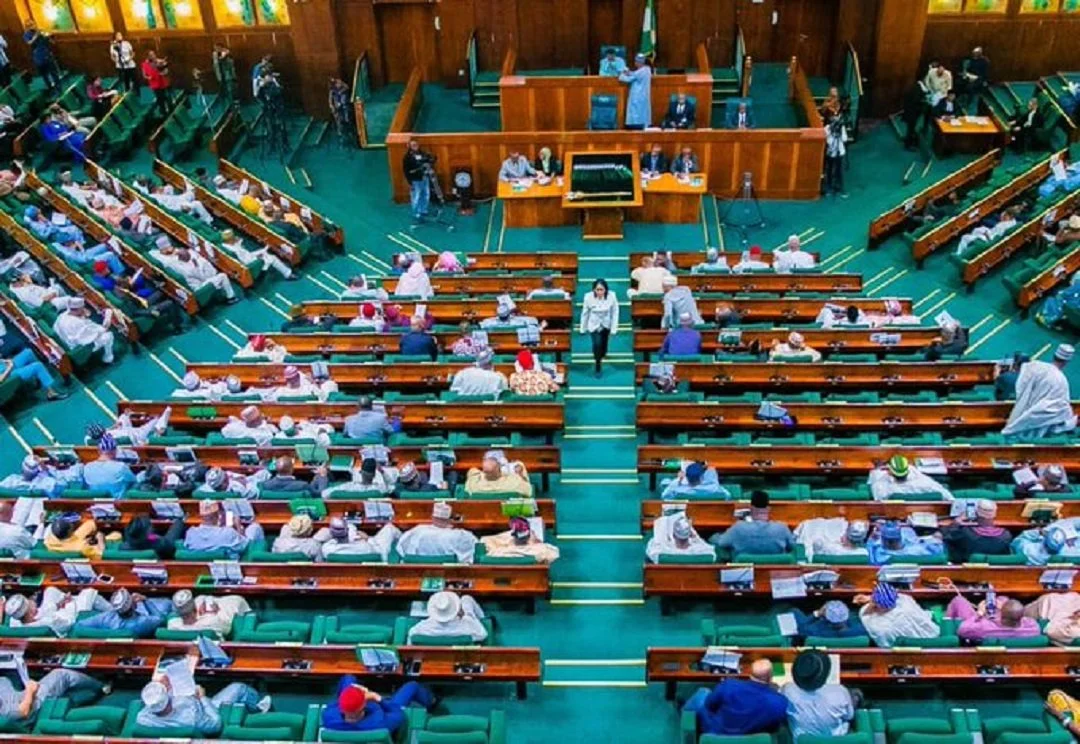
The Centre for the Promotion of Private Enterprise (CPPE) has called on the House of Representatives to reject the Sugar-Sweetened Beverage (SSB) Tax Bill recently passed by the Senate.
The group said the proposed legislation could hurt manufacturing, discourage investment, and put jobs at risk. The call comes as pressure mounts on the lower chamber to consider the bill following the passage by the Senate.
Pinnacle Daily reported on June 4 that the Senate had passed legislation seeking to reform Nigeria’s tax regime on sugar-sweetened beverages, paving the way for consideration by the House of Representatives.
In a statement issued on Sunday, the Chief Executive Officer of CPPE, Dr Muda Yusuf, expressed concern about the Senate’s decision to approve the bill despite objections from private-sector groups, particularly the Manufacturers Association of Nigeria (MAN).
“The bill is ill-timed, insensitive to prevailing economic realities, and inconsistent with the federal government’s commitment to reducing the tax burden on businesses,” Yusuf said.
According to him, manufacturers are already grappling with high energy costs, elevated interest rates, exchange rate volatility, logistics challenges, weak consumer purchasing power, and multiple taxes and levies.
He argued that imposing an additional excise tax on non-alcoholic beverages would worsen operating conditions for manufacturers and further weaken industrial competitiveness.
CPPE said the food and beverage industry remains one of the strongest pillars of Nigeria’s manufacturing sector, contributing significantly to industrial output and employment while supporting agriculture, packaging, logistics, retail trade, hospitality, and distribution.
READ ALSO:
- Additional Sugar Tax Could Cripple Manufacturing Sector, CPPE Warns
- CAPPA Urges Reps to Fast-Track SSB Tax Bill After Senate Approval
- Makoko Residents Reject Relocation, Demand Inclusion in UN Project
- Unclaimed Dividend Burden Persists as Investors Struggle to Access Funds Despite SEC Reforms
“Any additional tax burden on the industry would inevitably increase production costs, raise consumer prices, weaken demand, reduce capacity utilisation and threaten jobs across the value chain,” Yusuf said.
“At a time when the economy needs stronger industrial growth, this Senate proposal risks becoming a tax on production, investment, and employment.”
The economic advocacy group also warned that the bill could undermine ongoing efforts to create a more investment-friendly business environment.
Yusuf noted that the 2026 fiscal policy framework already provides for an excise duty of N10 per litre on non-alcoholic beverages, arguing that further taxation would create policy inconsistency and increase regulatory uncertainty.
“Investors thrive on predictability. Frequent additions to the tax burden send the wrong signal to both existing and prospective investors,” he said.
While acknowledging concerns about rising cases of diabetes and other non-communicable diseases, CPPE questioned the effectiveness of sugar taxes as a public health tool.
The organisation argued that factors such as poor dietary habits, excessive consumption of carbohydrate-rich foods, physical inactivity, inadequate health awareness, and genetic predisposition are more significant contributors to diabetes and related health conditions.
“Taxation does little to address these underlying factors. What it achieves is an immediate increase in production costs, higher consumer prices, and additional pressure on investment and employment,” Yusuf stated.
Instead of imposing additional taxes, the group urged lawmakers to focus on nutrition education, public health awareness campaigns, promotion of physical activity, healthier food choices, and stronger preventive healthcare systems.
CPPE said the chamber should decline concurrence to the bill, describing it as “fundamentally anti-growth”.
“It penalises production, discourages investment, threatens jobs and imposes additional costs on already burdened consumers,” Yusuf said.
He added that at a time when businesses and households are facing severe cost pressures, the economy requires policies that support production and job creation rather than measures that increase the burden on manufacturers and consumers.
“The Sugar-Sweetened Beverage Tax Bill fails this test and should therefore be rejected in its entirety,” he said.

Alex is a business journalist cum data enthusiast with the Pinnacle Daily. He can be reached via ealex@thepinnacleng.com, @ehime_alex on X