

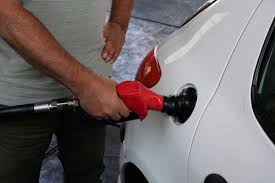
Iran has introduced a new pricing tier for its nationally subsidised gasoline in an effort to rein in rising economic pressures, marking the most significant adjustment to the country’s fuel-subsidy system since the 2019 price hike that sparked widespread protests and a violent crackdown.
Under the revised system, Iranian motorists can still purchase 60 litres per month at the heavily subsidised rate of 15,000 rials per litre (approximately 1.25 U.S. cents). The next 100 litres remain priced at 30,000 rials per litre (2.5 cents). Any purchase beyond this quota now falls under a new pricing tier of 50,000 rials per litre (around 4 cents). While the increase is modest, it represents a cautious step toward reducing the financial strain on the government while attempting to maintain social stability.
Cheap gasoline has long been considered a birthright in Iran, with sudden price hikes in the past triggering mass demonstrations, dating back to 1964 under the Shah. The 2019 increase, which saw a 50% rise in the subsidised rate and a 300% jump for purchases beyond quota, led to nationwide protests, with security forces reportedly killing over 300 people. The Iranian government has sought to avoid repeating such unrest, particularly after the recent economic strain caused by currency depreciation, international sanctions, and rising inflation, which currently hovers around 40%.
READ ALSO: Iran, IAEA Strike Cooperation Deal in Cairo as Nuclear Tensions Mount
The new pricing tier comes as the Iranian rial continues to weaken, forcing authorities to rethink decades of low gasoline costs. Analysts note that the country’s energy subsidies remain among the largest in the world, with the International Energy Agency estimating Iran spent $52 billion on energy subsidies in 2022 alone. Economists argue that despite these subsidies, the policy has failed to curb inflation and has trapped the economy in a cycle of fiscal deficit and rising costs.
For ordinary Iranians, the change has been met with mixed reactions. Some, like bank teller Hamid Rezapour, see the increase as an unavoidable measure to stabilise the economy, describing it as an “indirect tax” necessary for funding public services. Others, like taxi driver Mohammad Reza Assadi, remain sceptical that any price adjustment will lead to meaningful reform, recalling previous protests that ultimately yielded little change.
On the streets of Tehran, the implementation of the new pricing system appeared calm. Observers reported short lines at gas stations, minimal disruptions, and the presence of a few police vehicles. Drivers continued to fill up their tanks, taking advantage of the remaining heavily subsidised quotas.
Iran’s Oil Minister, Mohsen Paknejad, noted that the measure is a first step toward correcting fuel consumption patterns, hinting that further adjustments could occur as the government reviews prices every three months. The ministry emphasised that while gasoline prices remain among the lowest globally, the gradual increase is necessary to prevent further economic strain, reduce wasteful consumption, and manage the budget deficit.
Iran’s gasoline sector also plays a significant role in employment. With an estimated 25 million vehicles on the roads, including government and public transport vehicles, the sector supports millions of taxi drivers and couriers, highlighting the delicate balance the government must maintain between economic reform and public tolerance.
READ ALSO: EU to Iran: Resume Nuclear Talks or Face Sanctions
As Tehran moves forward with its cautious fuel policy, the world watches how the nation navigates rising domestic pressures, inflation, and the social sensitivities surrounding one of its most prized commodities: cheap gasoline.

Esther Ososanya is an investigative journalist with Pinnacle Daily, reporting across health, business, environment, metro, Fct and crime. Known for her bold, empathetic storytelling, she uncovers hidden truths, challenges broken systems, and gives voice to overlooked Nigerians. Her work drives national conversations and demands accountability one powerful story at a time.